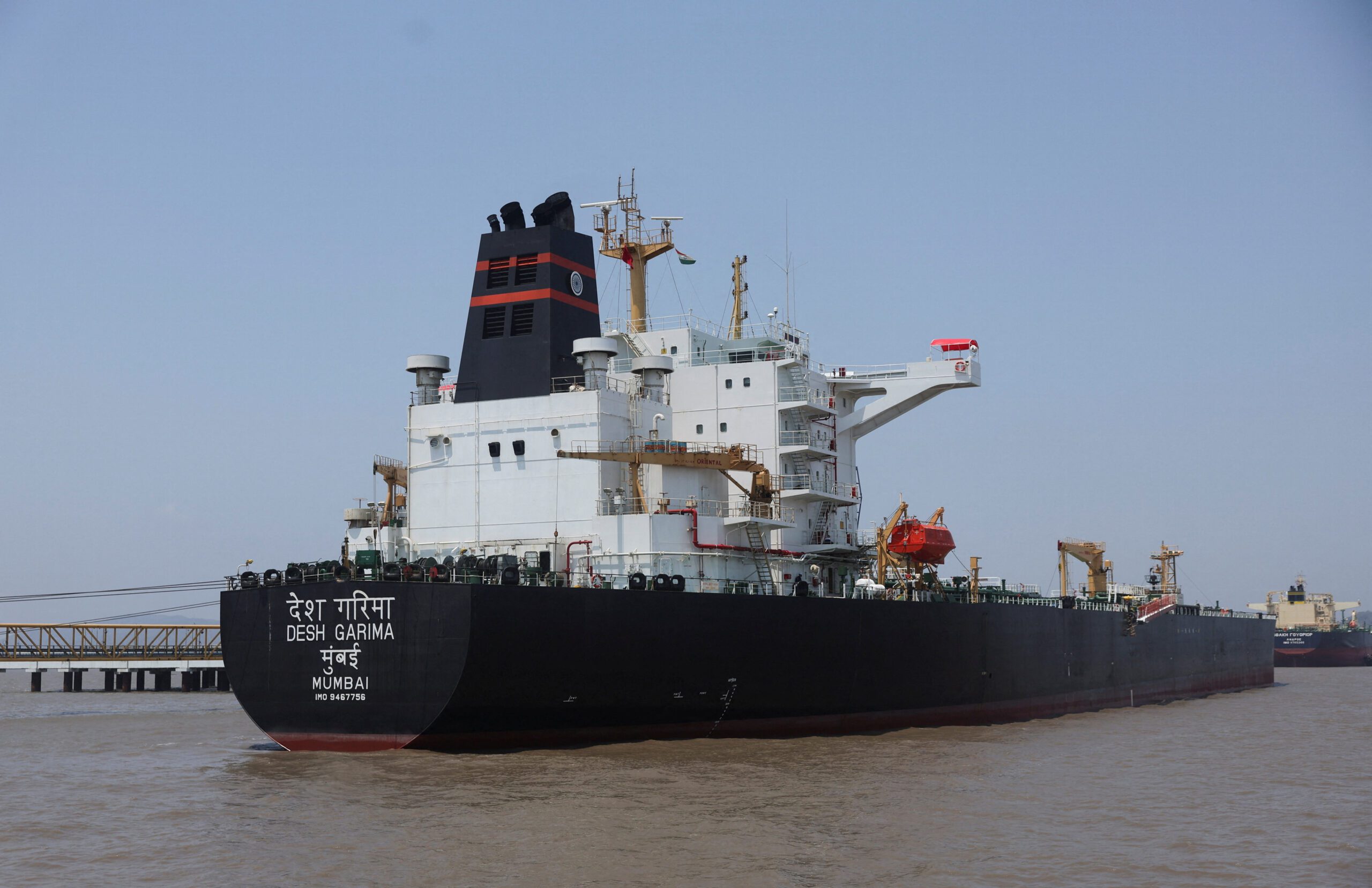
India-flagged tanker Desh Garima unloads crude oil at an offloading terminal after transiting the Strait of Hormuz in Mumbai, India, April 30. (REUTERS/Francis Mascarenhas)
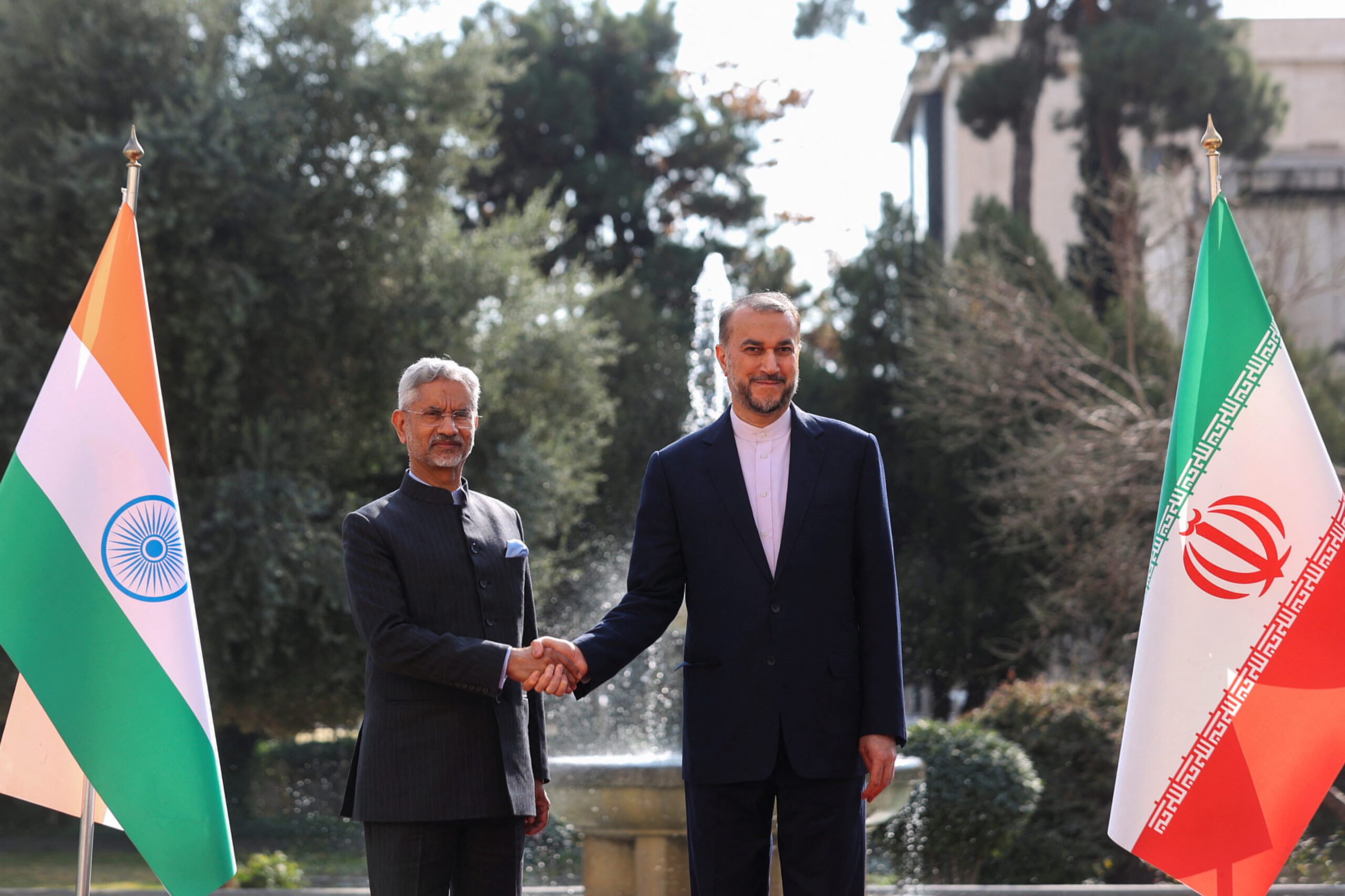
Indian Prime Minister Narendra Modi’s recent calls for fuel conservation and economic restraint, alongside External Affairs Minister S. Jaishankar’s warning that the conflict with Iran comes at a time of “unprecedented change,” reflect growing concern in New Delhi over the widening instability in the Middle East and its consequences for India. With the disruptions to the Strait of Hormuz, economic consequences have already been felt across energy, trade, and shipping, directly affecting India’s energy security and trade flows as well as the safety of its diaspora. Recent diplomatic engagements underscore the immediacy of these pressures. At the end of April, Indian National Security Advisor Ajit Doval visited Saudi Arabia to secure energy supplies and traveled to the United Arab Emirates. Iranian Foreign Minister Abbas Araghchi is also expected to visit New Delhi for the May 14-15 BRICS Foreign Ministers meeting and meet Modi ahead of the Indian prime minister’s planned visit to the UAE later in May.
The ongoing U.S.-Israeli war with Iran is dividing the Gulf, entrenching the Iran-Israel confrontation, and pulling economic and security networks into the conflict. Tensions among Gulf Cooperation Council states over energy policy – including the UAE’s move to exit OPEC – alongside differing approaches to other regional crises, such as Yemen and Sudan, point to growing divergence even among traditional partners. Simultaneously, Iran’s conflict with the United States and Israel has extended into the Gulf, the Strait of Hormuz, Lebanon, and Iraq, turning what were once distinct theaters into different expressions of a single, expanding regional war.
These fault lines are not new, nor was the GCC ever a fully unified bloc. What has changed is the degree to which the war in Iran has hardened these prior differences, making the current phase more difficult to manage. For India, which has long relied on engaging all sides, this evolving regional landscape exposes the limits of its balancing strategy.
The Old Model
For much of the past three decades, India sustained parallel relationships with actors often at odds with one another. This approach was shaped by a regional environment defined by enduring but manageable rivalries – between Iran and its Gulf Arab neighbors since the 1979 Islamic Revolution and within the GCC itself, as seen with the 2017-21 Gulf crisis.
This environment was underpinned by a degree of predictability, shaped by the post-Cold War order, U.S. security presence, and periods of limited engagement between Gulf Arab states and Israel following the Oslo peace process. Rivalries persisted, surfacing in disputes over oil production within OPEC, divergences in conflicts including in Yemen and Sudan, and differing approaches to Israel following the 2020 Abraham Accords. Yet these frictions remained contained rather than systemic, allowing India to sustain parallel relationships.
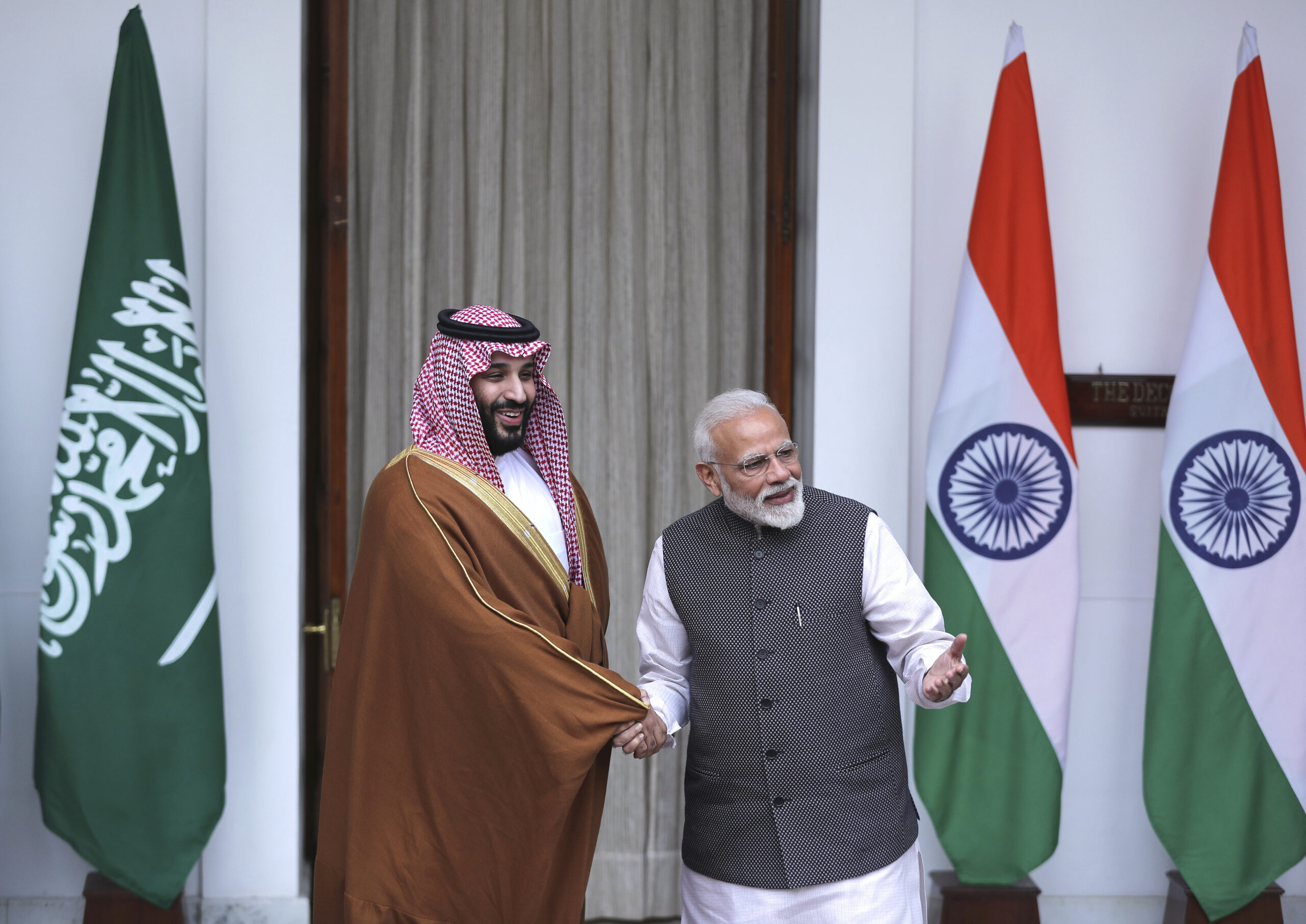
This combination of regional predictability and contained tensions allowed India to deepen ties across the region without being forced into hard tradeoffs. During Modi’s February visit to Israel, India expanded defense and technology cooperation, reinforcing Israel’s position as one of its largest arms suppliers. Likewise, India strengthened economic ties with GCC states, with bilateral trade reaching $178.56 billion in 2024-25, and the Gulf continued to serve as a key source of oil and gas and host to nearly 10 million Indian expatriates. India also continued to engage Iran through connectivity projects, such as the Chabahar port, which links Afghanistan and Central Asia, bypassing rival Pakistan. At the same time, India deepened its strategic partnership with the United States.
These relationships were not aligned with one another and were maintained regardless of whether the region was in periods of relative stability or active conflict. For instance, India engaged Israel and the United States on security and technology, the Gulf Arab states on energy and labor, and Iran on connectivity without attempting to reconcile the tensions among them. This approach was sustained through bilateral engagement, supported by selective minilateral groupings, such as I2U2, bringing together India, Israel, the UAE, and the United States for economic cooperation, and the proposed India-Middle East-Europe Economic Corridor, linking India to Europe via the Gulf. Together, these frameworks allowed cooperation to proceed even when political differences persisted.
From Contained Rivalry to Continuous Conflict
What has changed is not the presence of rivalry but the conditions under which it operates. The Middle East now faces pressures across security, economic, and maritime domains. Developments in one arena, whether conflict in Gaza or escalation involving Iran, now carry immediate consequences for energy flows, shipping routes, and regional alignments, reducing the ability of states to isolate crises.
This fragmentation is now visible even in multilateral settings. A BRICS meeting in New Delhi in April failed to produce a joint statement due to sharp differences between Iran and the UAE over the U.S.-Israeli conflict with Iran. As the UAE announced its decision to withdraw from OPEC, it also downgraded its diplomatic representation at an emergency GCC summit in Jeddah, sending only its foreign minister. At the same time, the region is no longer defined by shared or coordinated responses; Gulf Arab states are increasingly advancing competing approaches to crises. The growing rift between Saudi Arabia and the UAE, visible in their diverging responses to Iran’s attacks as well as intensifying economic competition, demonstrates how even close partners are no longer as closely aligned in how they pursue security or influence. Meanwhile, as the United States and Israel have pursued military escalation with Iran, Saudi Arabia and Qatar have leaned toward de-escalation and mediation, and the UAE has moved closer to Israel and the United States.
Exposure Without Leverage
For India, the divisions have tightened the operating space for its Middle East policy. Differences in Gulf Arab decision making alongside wider regional fragmentation have altered the conditions under which multialignment once worked. India continues to engage Israel, Gulf Arab states, Iran, and the United States, but these relationships now exist within a more contested environment where conflicts spill across security, economic, and maritime domains.
What India is doing is clear: trying to preserve access to all sides without forcing premature choices. It has sustained defense and technology ties with Israel, deep economic and diaspora links with the Gulf Arab states, and connectivity interests with Iran while maintaining its strategic partnership with the United States. This keeps channels open and reduces the risk of strategic isolation. But what India is not doing is equally clear: It is not shaping crisis outcomes, mediating between rivals, or participating in the region’s security architecture. As conflicts overlap, this limits India’s leverage over escalation, de-escalation, and the protection of its own economic lifelines.
India’s choices are shrinking but not collapsing. It has not yet been forced to pick sides, but the costs of balancing are rising. A strategy built to manage contradictions once created room for choice, but today, that room is increasingly difficult to sustain. India can still engage all sides but increasingly on terms it does not set – leaving it deeply embedded, with reduced, though not extinguished, strategic flexibility.
The views represented herein are the author's or speaker's own and do not necessarily reflect the views of AGSI, its staff, or its board of directors.
Vigorous diplomatic efforts by Gulf stakeholders, particularly Saudi Arabia, helped put an end to an escalating military confrontation between the two South Asian neighbors.
Amid economic and political instability, governance crises, and rising security threats, South Asia looks to deepen ties with the Gulf, as it strives to chart a path toward sustained growth.
Emerging realignments in the Middle East led by the China-brokered agreement between Saudi Arabia and Iran drive India to pursue greater strategic autonomy as rival regional powers diversify their foreign policy, embracing pragmatism and national interests over ideology and geopolitics.