Sea Mines in Hormuz: Deciphering the U.S. Mine-Clearing Delay
With an aging and largely untested fleet, U.S. mine clearing operations can restore maritime access but only under favorable political and operational conditions.
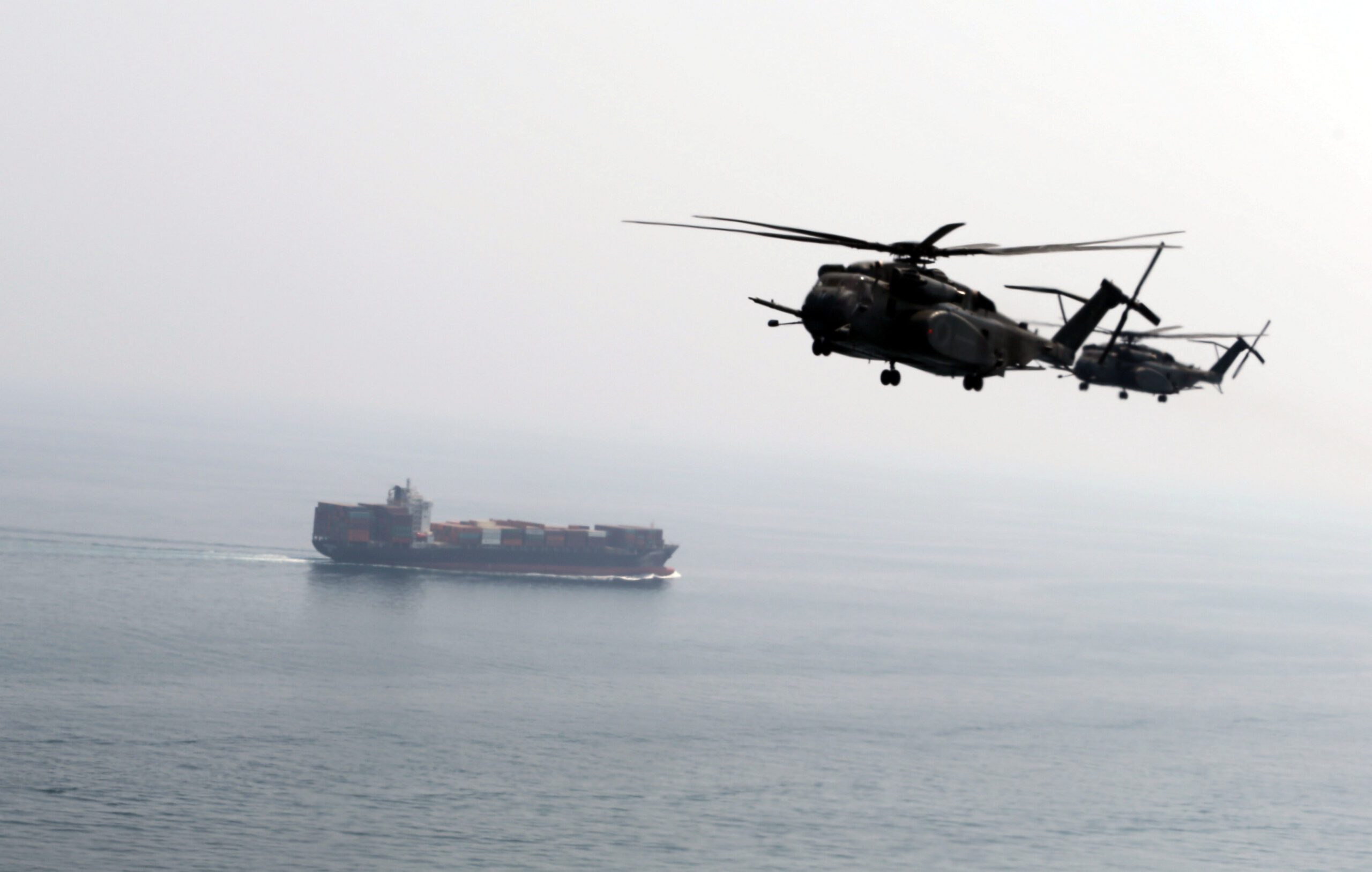
U.S. Navy MH-53E Sea Dragon helicopters are seen making their way to an exercise area in the Arabian Sea as a cargo ship is seen sailing toward the Strait of Hormuz, September 10, 2018. (REUTERS/Hamad I Mohammed)
Naval mines have often shaped Gulf security dynamics, from the Tanker War in the 1980s to Iraq’s 1990 invasion of Kuwait. The crisis in the Strait of Hormuz is the latest chapter, underscoring how sea mines remain uniquely capable of disrupting global shipping and constraining naval power.
While initial efforts sought to establish conditions for clearing international waters, minesweeping operations appear to be progressing slowly. The United States has been delayed in launching a large-scale clearance operation because of multiple constraints, including a high-risk environment, limited operational readiness, and persistent risk of escalation.
An Old Threat
Washington first encountered naval mines in the Gulf during the Tanker War, when both Iraq and Iran targeted merchant vessels and shipping routes. As oil flows were threatened, the United States launched Operation Earnest Will in 1987, reflagging Kuwaiti tankers and escorting them across the Gulf. Convoy operations showed that tankers were comparatively more resistant to mine blasts than escorting warships, a vulnerability that became evident when the guided-missile frigate Samuel B. Roberts nearly sank after striking a sea mine in 1988.
The U.S. Navy again faced mines in 1991 during Operation Desert Storm, when two U.S. warships were damaged by Iraqi naval mines while mapping waters off Kuwait’s coast.
In the postwar phase, mine clearing operations were undertaken by multiple coalitions. The United States and the United Kingdom led one task force, while a second European contingent, supported by Belgium, France, Germany, Italy, the Netherlands, and later the U.K., conducted parallel operations, along with Japan. At its peak, the operation fielded 28 vessels.
Between March and October 1991, coalition units cleared nearly 1,300 mines. U.S. efforts focused on restoring access to Kuwaiti ports, while European forces concentrated on offshore minefields, reflecting a conventional NATO division of labor. Mine clearing activities benefited from permissive conditions and access to Iraqi minefield charts, reducing operational complexity and accelerating timelines.
U.S. Sweeping Approach
For the last four decades, Washington’s naval mine countermeasure strategy has relied on a surface and aerial approach. The two principal pillars of this posture have been Avenger-class mine countermeasure vessels and the MH-53E Sea Dragon helicopter.
For the surface approach, Avenger-class ships, constructed from wood and fiberglass, were designed with low magnetic and acoustic signatures, reducing the risk of triggering influence mines, which detonate from magnetic, acoustic, or pressure influence rather than direct contact. They combined remotely operated systems with high-resolution sonar to hunt and destroy naval mines. Post-Iraqi Freedom, a four-ship squadron remained forward deployed in Bahrain until January, when the ships were withdrawn as part of gradual decommissioning.
The aerial approach was anchored on the heavy-lift MH-53E Sea Dragon mine sweeping helicopter. Operating at low altitude, the Sea Dragon could deploy a range of towed sweep systems to activate mines. Like the Avenger-class vessels, the Sea Dragon squadron in the Gulf is also undergoing a planned phaseout.
An Uneven Transition
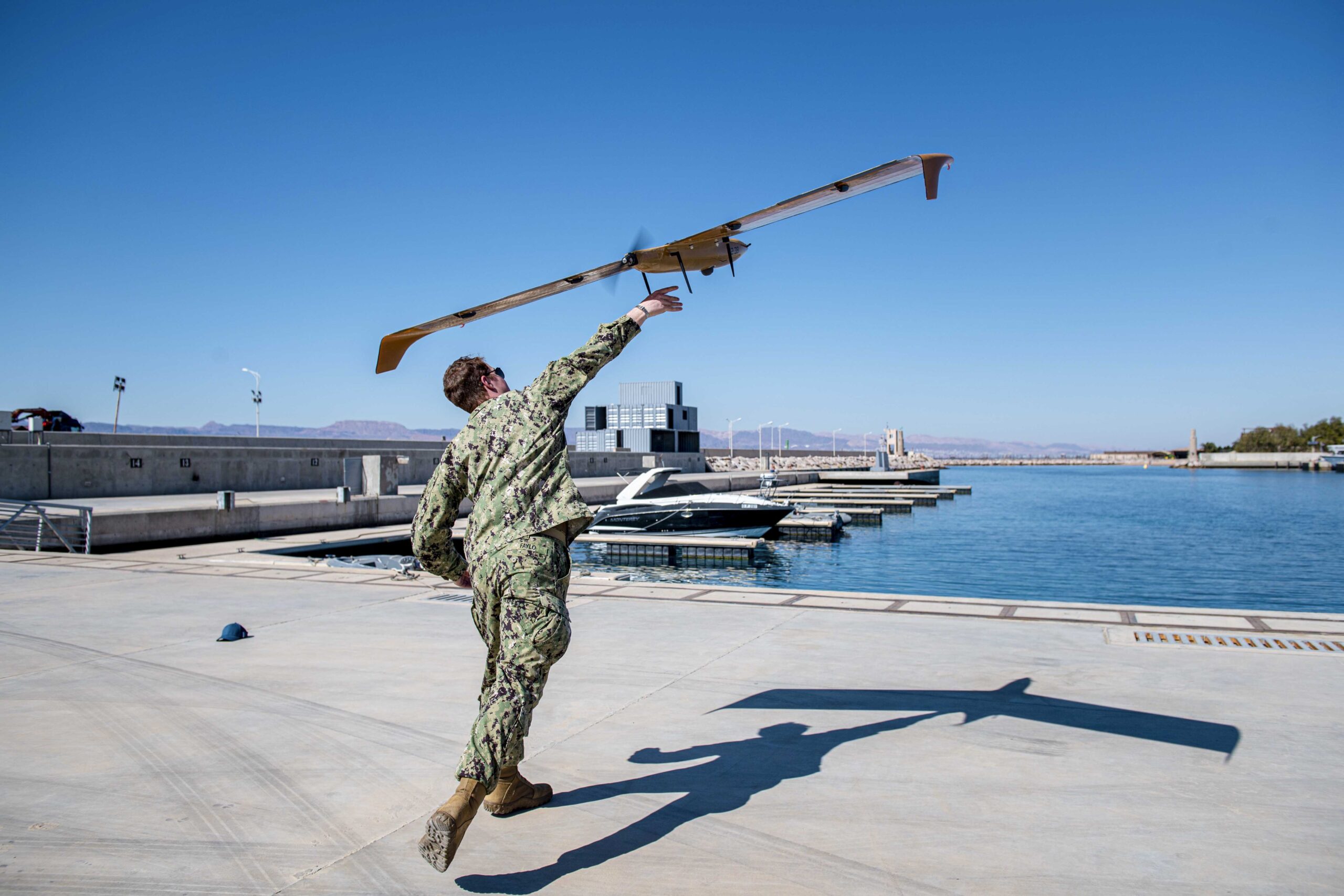
Since the early 2000s, the U.S. Navy has sought to overhaul its mine countermeasure architecture, but delays and technical setbacks have slowed the transition. The new integrated approach combines surface, aerial, and unmanned capabilities on a single platform.
Aboard the Independence-class ships, the MH-60S Knighthawk is the main mine-clearing helicopter. It features the AES-1 laser system to detect near-surface mines and ASQ-235 airborne neutralization system to deploy fiber-optic remote-controlled vehicles to destroy them.
By shifting from purpose-built mine countermeasure ships to aerial and unmanned systems, the United States aims to lower risks to sailors. Yet the transition has been uneven, with subsystems facing maintenance issues, the influence-sweep providing only partial reliability, and the WSQ-46 still short of full capability. The result is an operational gap that adversaries could exploit.
Post-Epic Fury
During the offensive phase of Operation Epic Fury, the U.S. campaign dealt a severe blow to Iran’s ability to project maritime power, decimating its fleet, damaging shipyards, and neutralizing dozens of coastal missile and drone launch sites. However, despite weeks of sustained strikes, Tehran retained sufficient capacity to mount a counteroffensive targeting Gulf Arab states, U.S. regional bases, and commercial shipping.
Concerned by the risk of Iranian naval mines, Washington launched targeted strikes against vessels capable of deploying them. While the campaign eliminated a substantial number of platforms, dozens of fast-attack craft alongside sizeable mine stockpiles are believed to have survived, concealed across dispersed facilities operated by the Islamic Revolutionary Guard Corps navy along Iran’s coastline.
Concerns over mines in the Strait of Hormuz intensified on April 9, when the IRGC navy released a map designating a hazard area spanning roughly 268 square nautical miles across the traditional shipping lanes and transit corridor and proposing an alternative via Iranian territorial waters. While the IRGC navy probably laid minefields along international shipping lanes, the density, geographic scope, and types of mines deployed remain unclear.
On April 11, two U.S. Navy guided-missile destroyers transited the Strait of Hormuz. Rather than signaling a show of force, the transit appeared intended to prepare the ground for future mine clearing operations by collecting intelligence on navigable routes and mine-free corridors. However, U.S. Navy warships have rarely transited the strait since, raising questions about both the operational feasibility of clearance efforts and Washington’s willingness to undertake them under current conditions.
What Options Ahead?
As a path out of hostilities remains uncertain, especially as the June memorandum of understanding between the United States and Iran seems to be faltering, Washington is left with a limited set of options, each carrying distinct tactical and strategic constraints.
First, building on the experience of Desert Storm, the United States could pursue a multinational mine clearing coalition based on a division of labor among like-minded partners. While President Donald J. Trump’s initial efforts to secure allied support for maritime security operations in the strait generated scarce results, European consensus has gradually strengthened. The Netherlands, Italy, and the U.K. have prepositioned mine-countermeasure assets, while France has announced plans to cooperate with Oman on clearing the Strait of Hormuz.
If Washington opts to proceed alone, two principal courses of action remain. The first would involve leveraging the current crisis to test the operational viability of Independence-class ships and MH-60S helicopters in a real-world environment. Yet the limited reliability of these systems makes it difficult for military planners and political decision makers to accept the risks associated with deploying sailors and high-value assets into contested waters. Platforms with limited combat validation carry considerable operational uncertainty, while undetected mines could foster a false perception of security for commercial shipping. Given the political sensitivity surrounding casualties and major asset losses, this option appears unlikely.
The second option would replicate earlier approaches by deploying the last Avenger-class squadron, based in Japan, to the Strait of Hormuz. Built with wooden hulls and fiberglass coatings, the vessels are poorly suited for long open-ocean transits and would likely require heavy-lift ships to transport them. Transit from Sasebo to the Arabian Sea could take between 17 and 21 days, further delaying the start of clearance operations.
The feasibility of all three options, however, rests on a durable suspension of hostilities between the United States and Iran. The northern boundary of suspected minefields lies roughly 15 nautical miles from the Iranian littoral, placing mine clearing operations within range of short-range coastal defense systems and well inside the strike distance of Iranian medium- and long-range capabilities. No U.S. Navy countermine vessels possess robust organic air-defense systems, leaving forces heavily dependent on guided-missile destroyers for protection against airborne threats. That the three-ship squadron based in Bahrain was quietly moved out of the Gulf before Operation Epic Fury highlights this underlying vulnerability.
The experience of 1991 demonstrates how mine clearing operations can restore maritime access but only under favorable political and operational conditions. Those conditions are not yet present in the Strait of Hormuz. Absent a credible space for de-escalation, any attempt to reopen sea lanes through sustained countermine operations would expose mine clearing forces to unacceptable risks. While the United States and Iran reached a preliminary framework to end the war, repeated rounds of military escalation continue to threaten its durability.
Beyond the cease-fire’s volatility, Iran has strongly opposed foreign mine clearing operations in the strait, arguing that the agreement gives Tehran responsibility for removing the “technical and military obstacles” to commercial shipping. Iranian cooperation would be critical for any successful de-mining effort, but Western and Gulf Arab countries remain unwilling to rely solely on Tehran. As long as escalation cycles persist and mutual distrust remains high, sustained mine clearing operations are unlikely, fueling further insecurity across the strait.
The views represented herein are the author's or speaker's own and do not necessarily reflect the views of AGSI, its staff, or its board of directors.
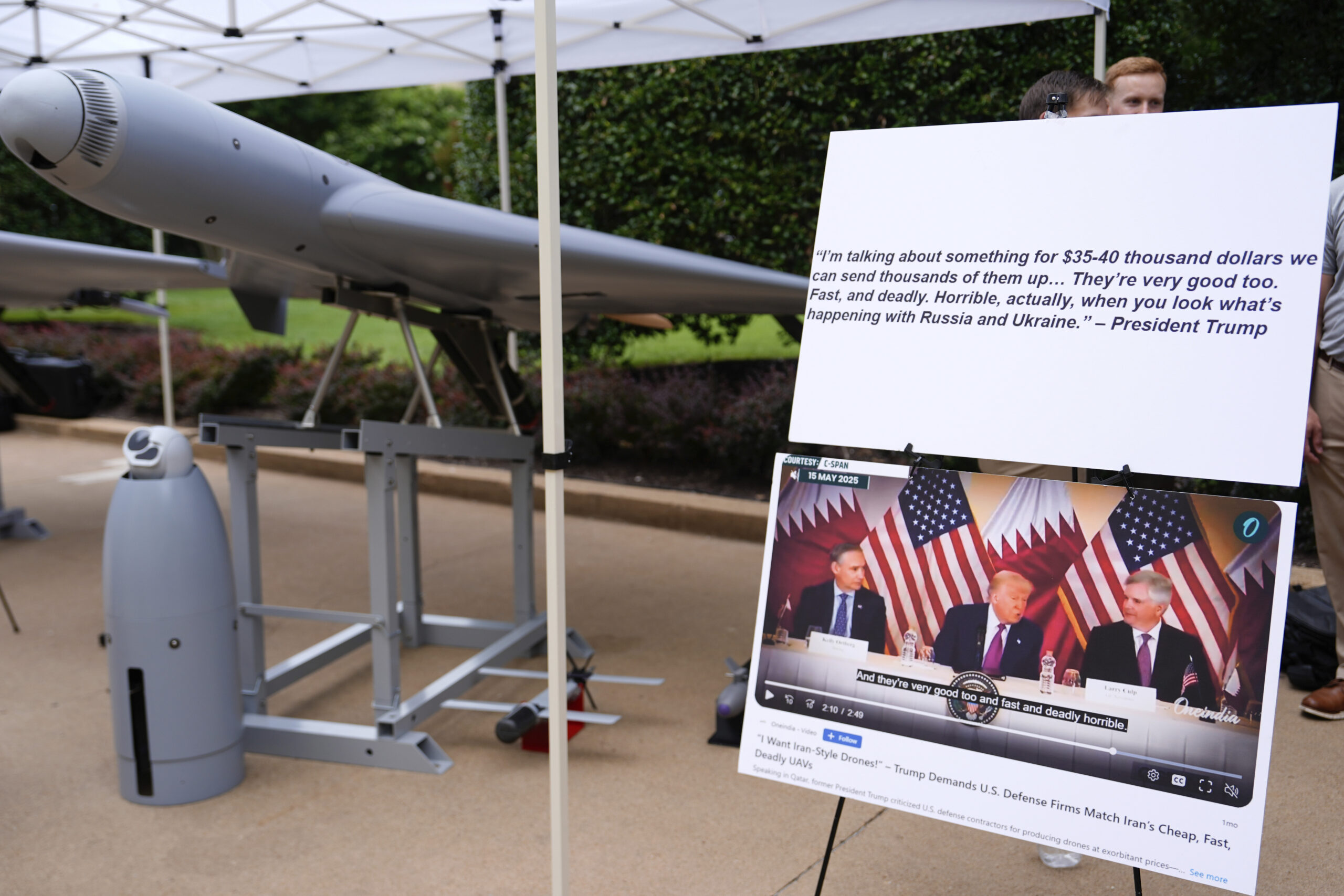
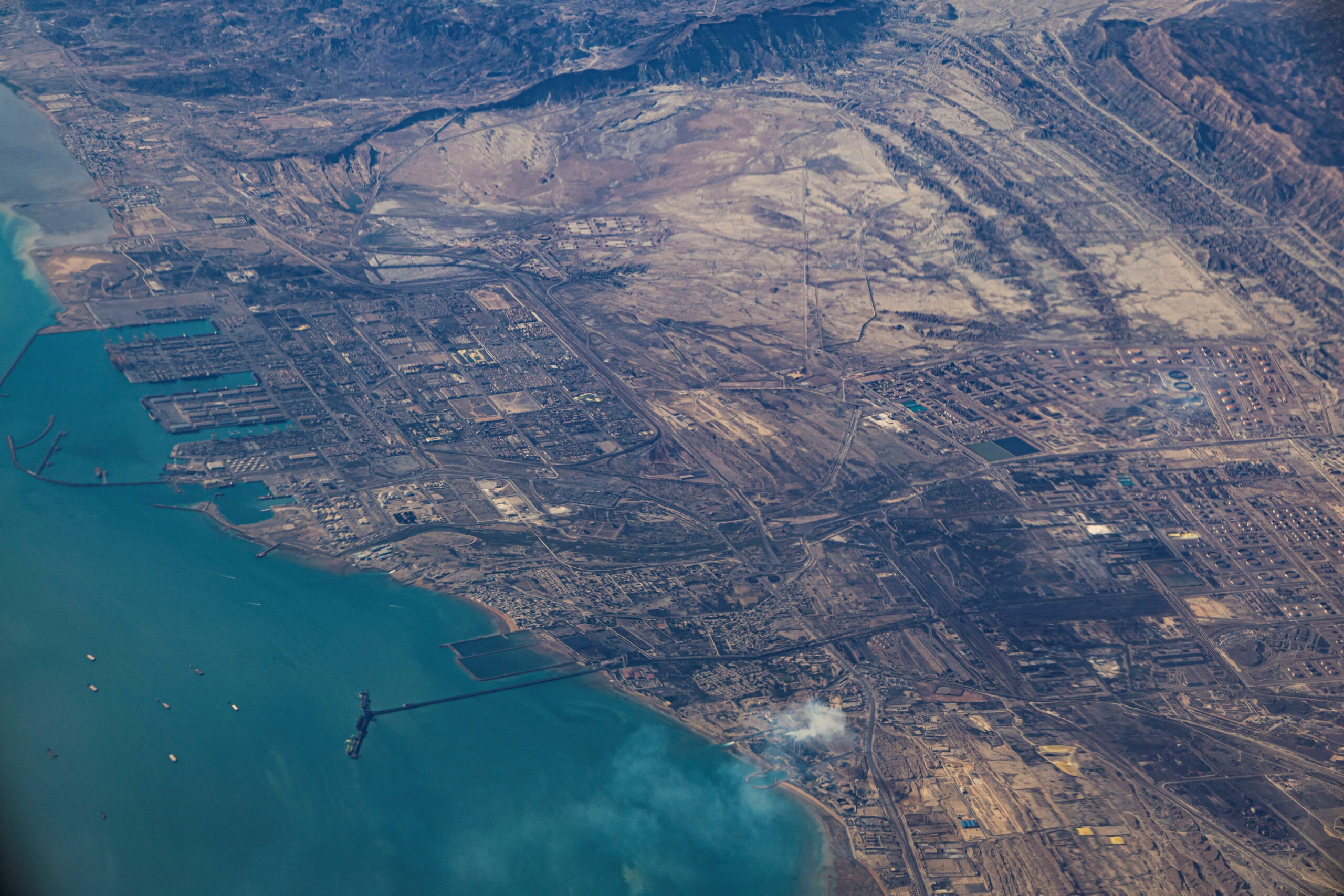
Iran’s threats involving undersea internet cables and digital infrastructure in the Strait of Hormuz have transformed the crisis from an energy chokepoint into a hybrid risk for Gulf Arab economies.
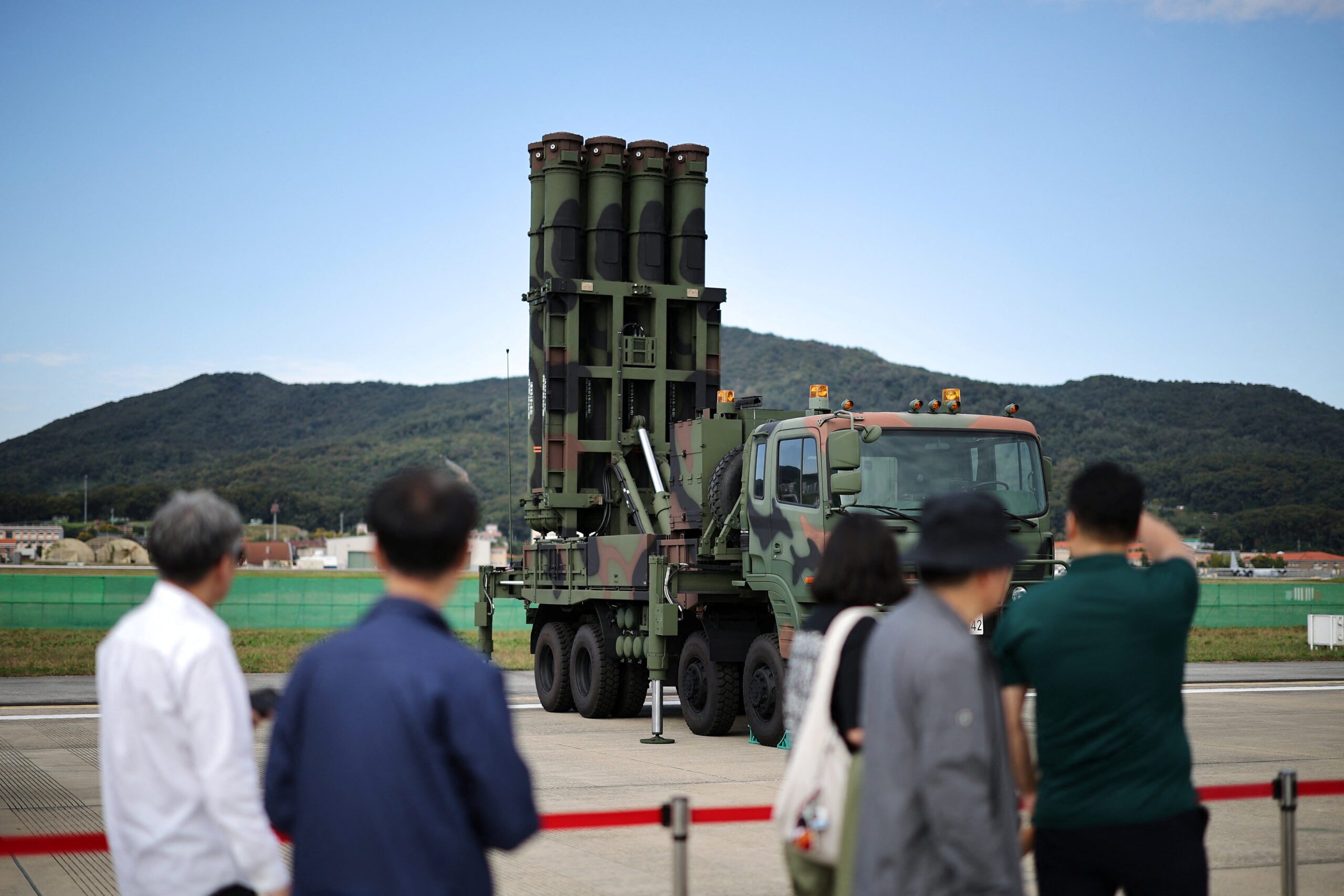
As Iranian strikes exposed structural gaps, Gulf states are expanding their air defense architecture through new suppliers, lower-cost systems, and operational partnerships.
U.S. force projection in the Gulf is increasingly relying on artificial intelligence, unmanned platforms, and space technology, using these systems to augment existing military infrastructure.
NATO’s Operation Ocean Shield helped secure freedom of navigation in the Red Sea, but diplomatic fractures and naval constraints mean its success is unlikely to be repeated in the Strait of Hormuz.