Jun 2, 2026
Tehran Warns: War in Lebanon Means No Peace With Iran
The June 2 edition of the Iran Media Review analyzes Iranian messaging about the importance of a cease-fire in Lebanon for U.S.-Iranian negotiations.

Despite reports of disagreement among Iran’s leaders, the leadership in Tehran and the country’s state-censored media continue to project a disciplined and unified message, including about Israel’s ongoing military campaign in Lebanon.
- June 1: Foreign Minister Abbas Araghchi, reacting to the continued Israeli military campaign in Lebanon, posted on X:
- “The ceasefire between Iran and the US is unequivocally a ceasefire on all fronts, including in Lebanon. Its violation on one front is a violation of the ceasefire on all fronts. The US and Israel are responsible for the consequences of any violation.”
- June 2: Parliamentary Speaker Mohammad-Bagher Qalibaf wrote on X:
- “If the Israeli aggression against Lebanon continues, we will not only halt the path of negotiations, but we will also be in direct confrontation with the enemy.”
- June 2: Interpreting Araghchi’s and Qalibaf’s X posts, Supreme National Security Council mouthpiece Nour News Agency stated on its Telegram channel:
- “If we were to summarize the common message of these two tweets in a single sentence, it would be this: From Tehran’s perspective, a cease-fire is not a localized and compartmentalized arrangement but rather an integrated framework in which conduct on any front determines its credibility on all fronts. Within this framework, Lebanon is not merely a theater of crisis; it has become a test of the other side’s sincerity and commitment. On a broader level, the message is clear: No agreement can remain durable in a regional vacuum, and no diplomatic process can afford to ignore its relationship to the surrounding arenas of conflict.”
- June 2: An article in reformist Shargh discussed the importance of Lebanon to the cease-fire:
- “Iran has made it clear to the United States that it is no longer possible to wage war in Lebanon while maintaining peace with Iran. Any attack on Lebanon, or on any front aligned with Iran, will be regarded as the end of the cease-fire with Tehran … If Israel attacks Lebanon with American support, Iran will regard itself as being at war with the United States. And if the United States directly strikes Iranian territory, the response will not be limited to the location of the attack; rather, it will be delivered wherever Iran has the capability to do so.”
- June 2: Islamic Revolutionary Guard Corps-affiliated Javan published a commentary on the latest Israeli strikes against Lebanon:
- Israeli Prime Minister Benjamin Netanyahu is trying to “drive a wedge between Washington and Tehran, pull the United States off the track of diplomacy, and drag it toward confrontation … But the resistance groups are unlikely to remain passive … Ansar Allah has announced its readiness to assist Hezbollah … If Israel once again pursues a strategy of escalation, the resulting reactions may not remain confined to the Persian Gulf. Other fronts, including the strategically important Bab el-Mandeb strait, could also become part of the confrontation.”
- June 2: In response to the latest U.S. strike against an IRGC site in Sirri Island, IRGC public relations wrote, as quoted by Javan:
- “In the event of a repeated act of aggression, the response will be directed at America’s entire military apparatus. Responsibility for this lies with the aggressor and infanticidal American regime.”
The views represented herein are the author's or speaker's own and do not necessarily reflect the views of AGSI, its staff, or its board of directors.
Related
Iran Media Review
May 29, 2026
Iran’s State-Censored Media Downplays Latest Military Clashes
The May 29 edition of the Iran Media Review considers Iranian media coverage of the latest military clashes between the United States and Iran.
Iran Media Review
May 26, 2026
Permanence of Neither War Nor Peace?
The May 26 edition of the Iran Media Review examines Iranian messaging around negotiations with the United States and possible futures for Iran and the region.
Iran Media Review
May 22, 2026
The IRGC Warns of War “Beyond the Region”
The May 22 edition of the Iran Media Review highlights an IRGC warning that renewed conflict with the United States and Israel could spread “beyond the region.”
May 29, 2026
Iran’s State-Censored Media Downplays Latest Military Clashes
The May 29 edition of the Iran Media Review considers Iranian media coverage of the latest military clashes between the United States and Iran.
May 26, 2026
Permanence of Neither War Nor Peace?
The May 26 edition of the Iran Media Review examines Iranian messaging around negotiations with the United States and possible futures for Iran and the region.
May 22, 2026
The IRGC Warns of War “Beyond the Region”
The May 22 edition of the Iran Media Review highlights an IRGC warning that renewed conflict with the United States and Israel could spread “beyond the region.”
Analysis
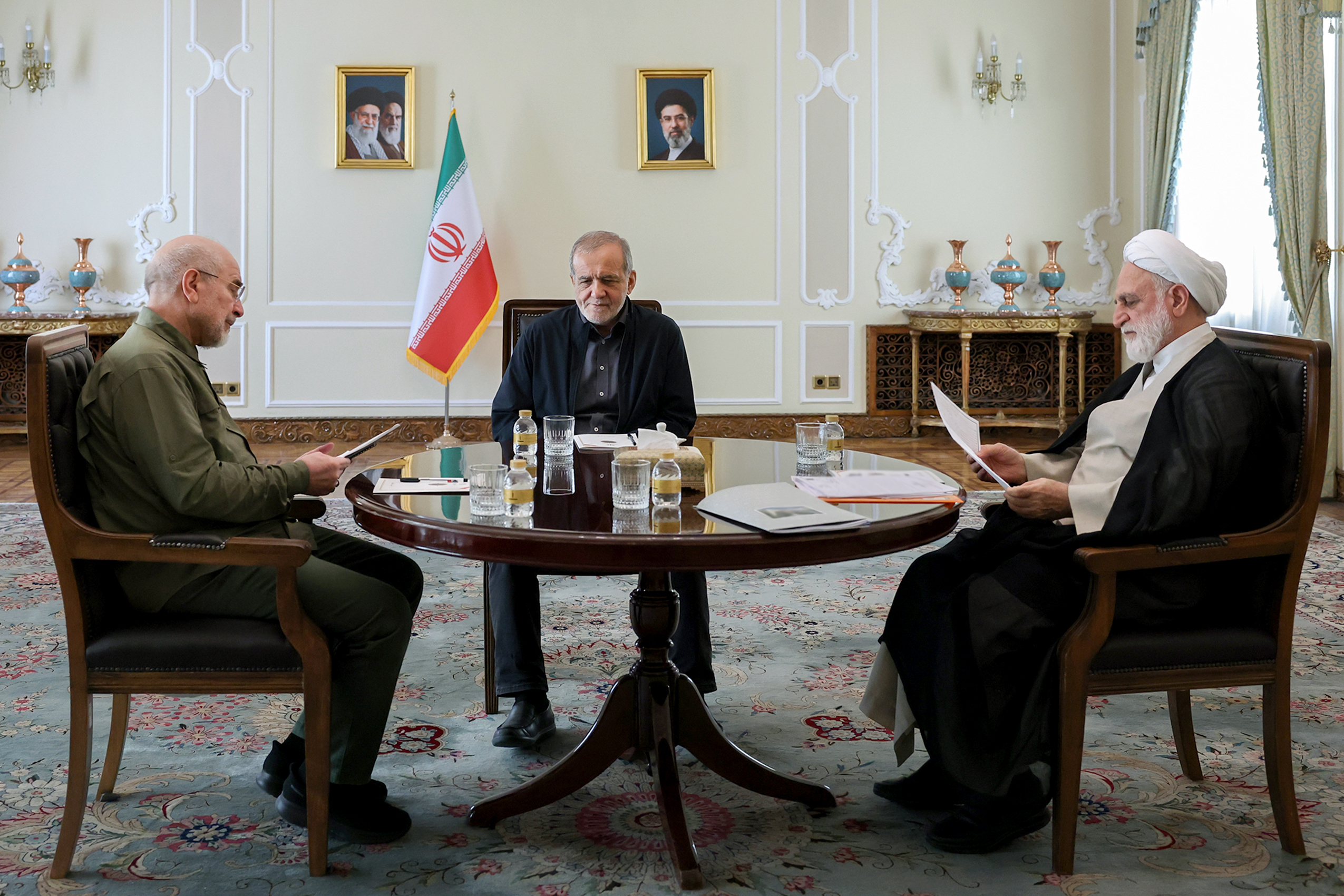
The Committee of Six and Strategic Decision Making in Iran
Remarks by Iran’s president offer a rare glimpse of how the Islamic Republic has adapted its decision making to the absence of its supreme leader.
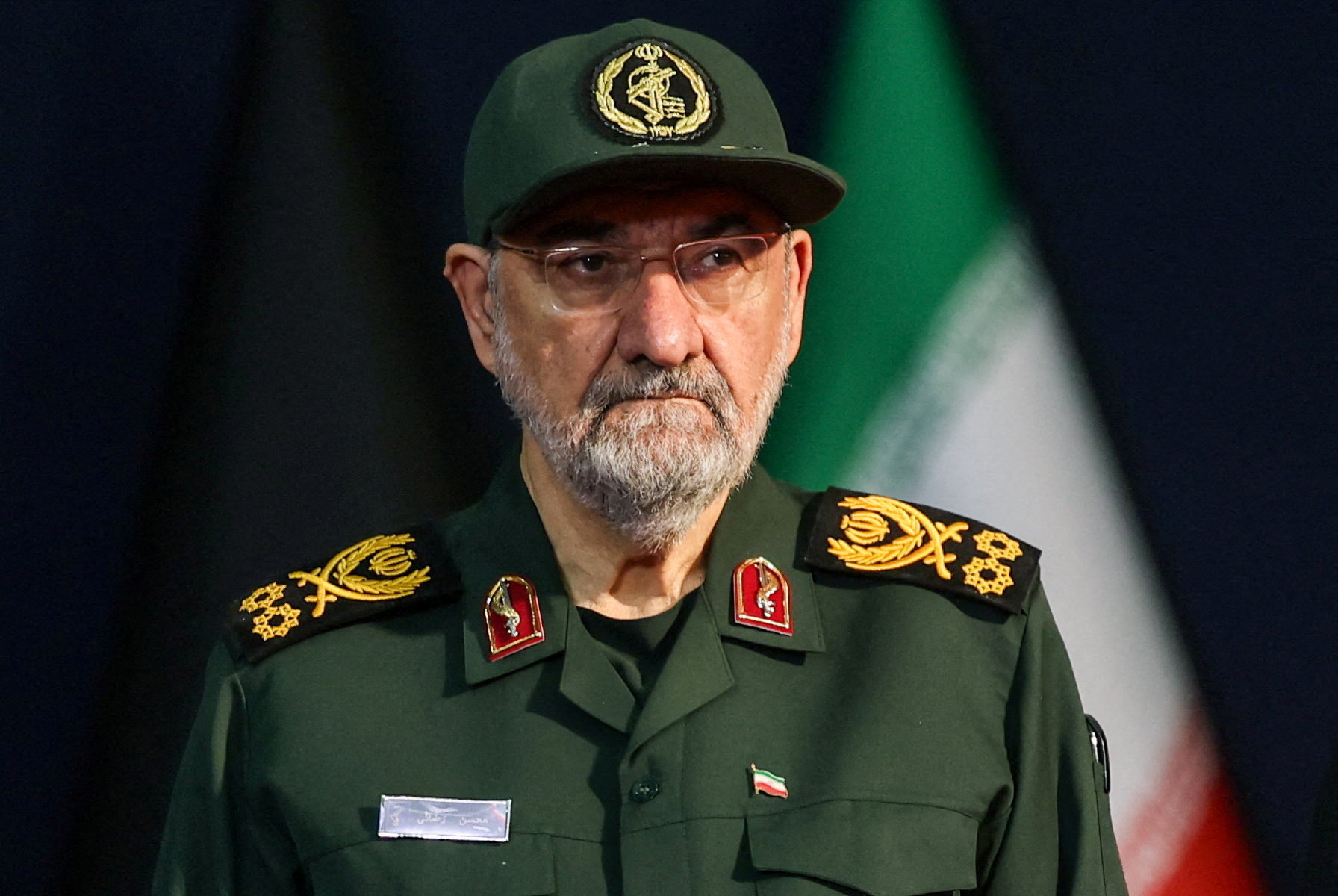
Mohsen Rezaei at the Helm of Iran’s Supreme National Security Council
Under Rezaei, the SNSC could prove constructive or paralyze strategic decision making.
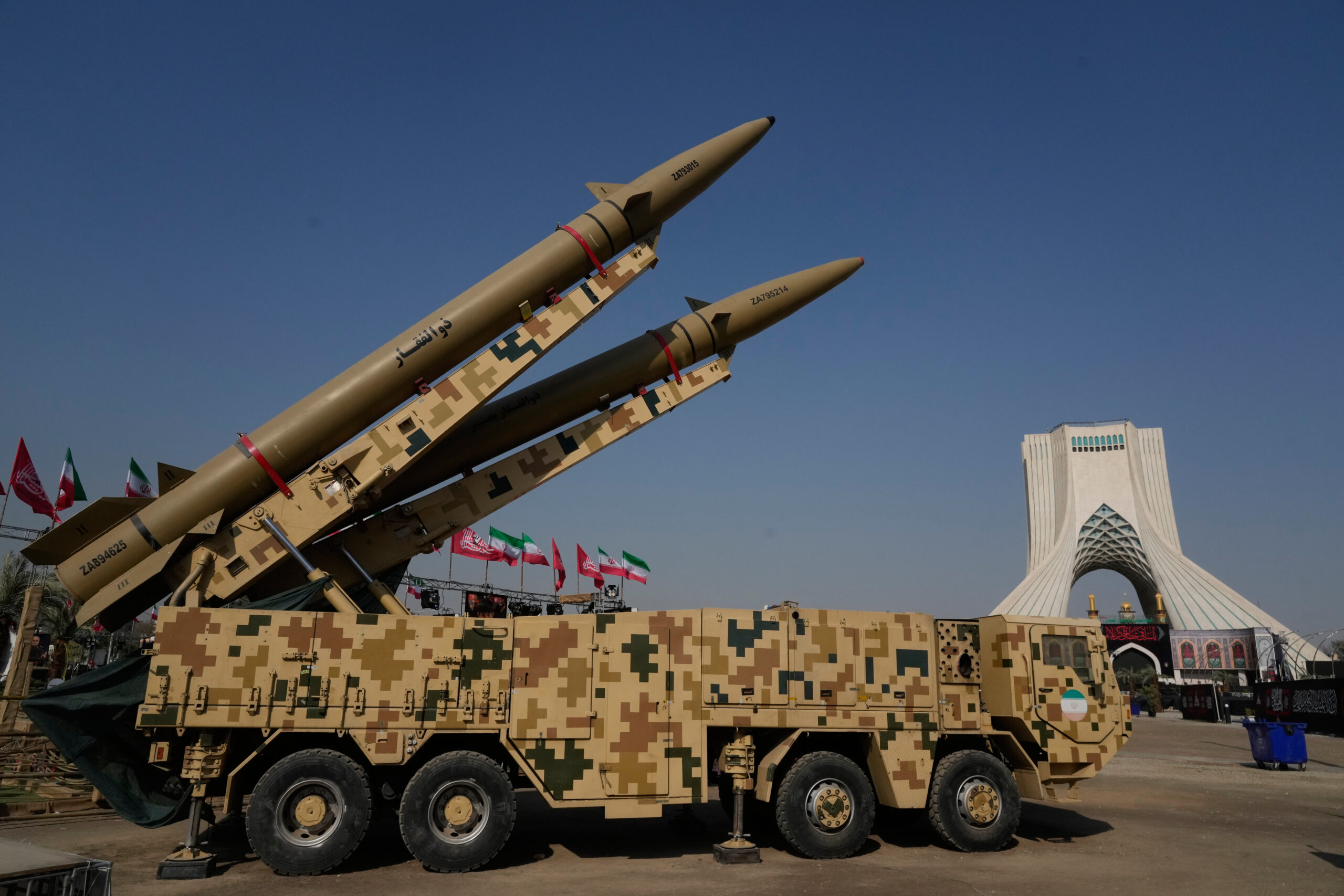
The Islamic Republic Returns to Offense
After U.S.-Israeli strikes killed Supreme Leader Ayatollah Ali Khamenei on February 28, Iran’s collective leadership has concluded that the best defense is a good offense.
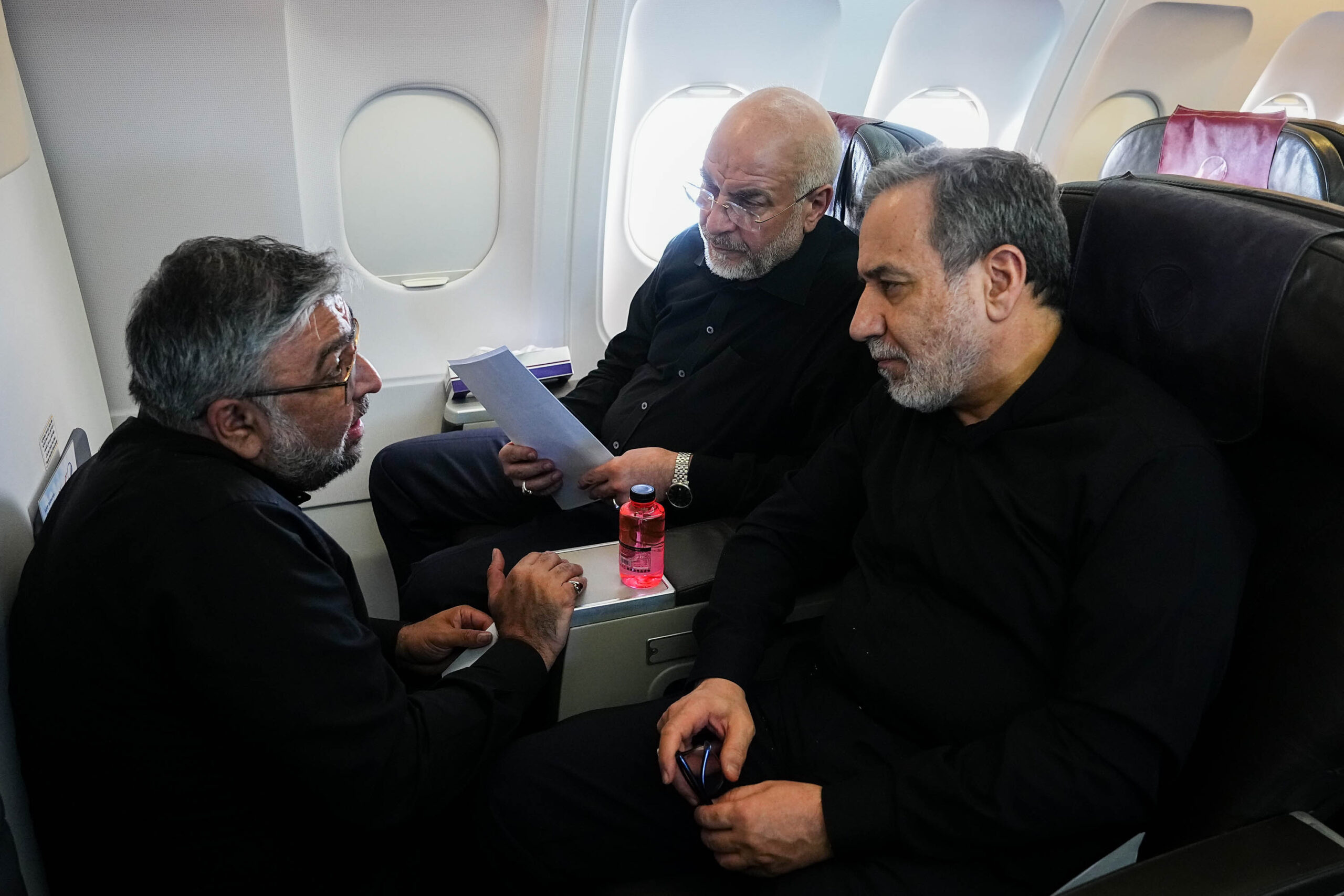
Iran’s Collective Strategic Decision Making
Wartime pressure has temporarily aligned the leadership’s overriding interest in regime survival, even as its members continue to differ over the costs, methods, and ultimate objectives of the war.
Events
Oct 6, 2026
Is the U.S.-Iran Stalemate a “New Normal” or the Prelude to Another Explosion?
On October 6, AGSI hosted a discussion on the U.S.-Iran stalemate and the prospects for a cease-fire.
Speakers



Book Talk: Iran and the Bomb: The United States, Iran and the Nuclear Question
On June 16, AGSI hosted a discussion on the evolution of Iran's nuclear program.
Speakers

Apr 21, 2026
Inside Iran’s Wartime Leadership: Power, Succession, and Regime Stability
On April 21, AGSI hosted a discussion on the evolution of Iran's leadership during the war.
Speakers

Mar 18, 2026
In Its Conflict With the United States and Israel, Does Escalation Favor Iran?
On March 18, AGSI hosted a discussion on the escalation of the Iran war.
Speakers