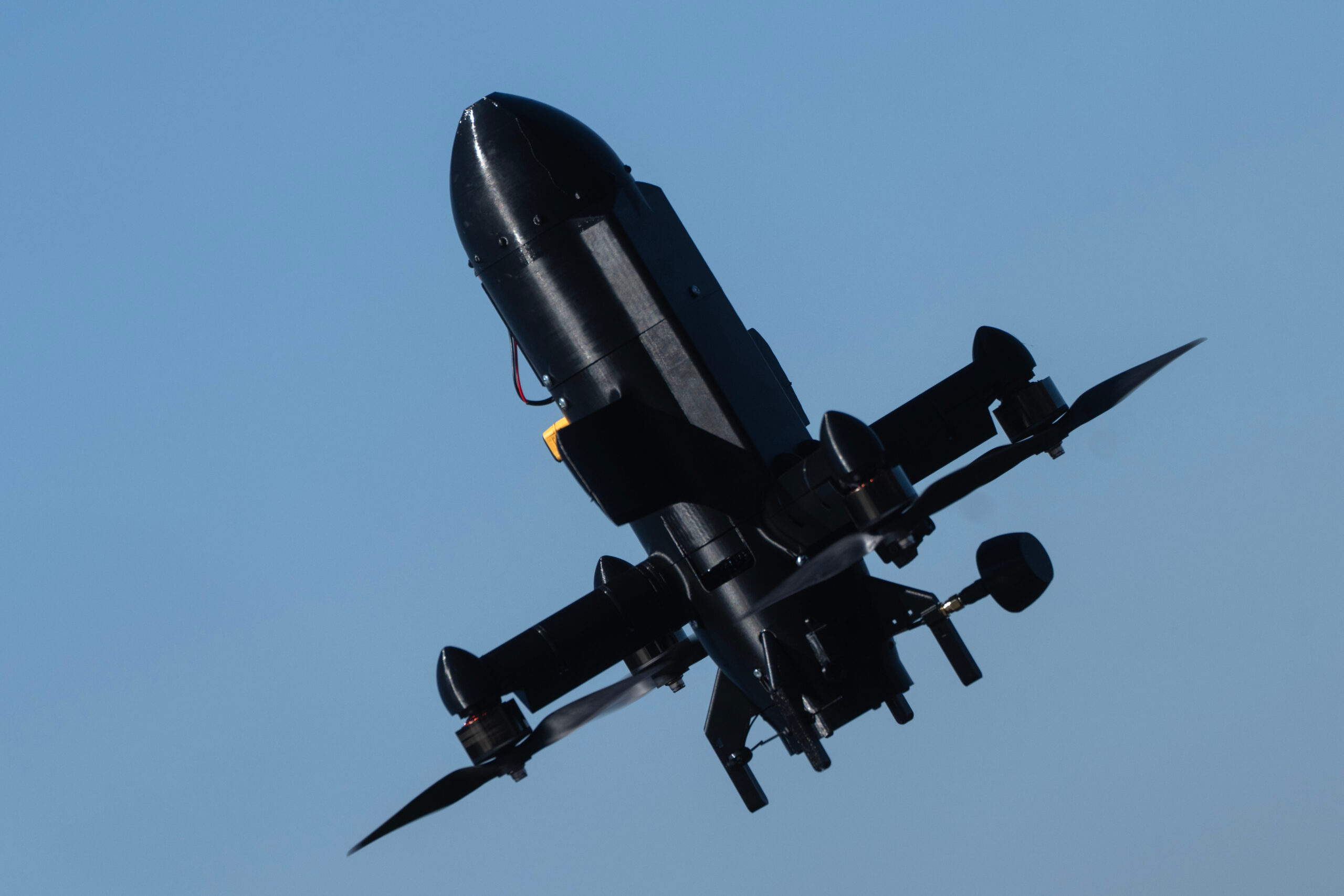
An anti-air interceptor drone designed to destroy Russian attack drones from the Ukrainian company General Cherry is seen during a demonstration in the Kyiv region, March 11. (AP Photo/Efrem Lukatsky)
As Gulf Arab states face continued Iranian drone attacks, several have turned to Ukraine for help. Some 201 Ukrainian military advisors have been reportedly dispatched to Saudi Arabia, Qatar, and the United Arab Emirates. Ukrainian President Volodymyr Zelensky confirmed this in several speeches, though he refrained from offering details on these exchanges. Kyiv’s involvement in the Iran war is a largely unanticipated development, but it could force Gulf states to reconsider their neutral stance regarding the war between Ukraine and Russia.
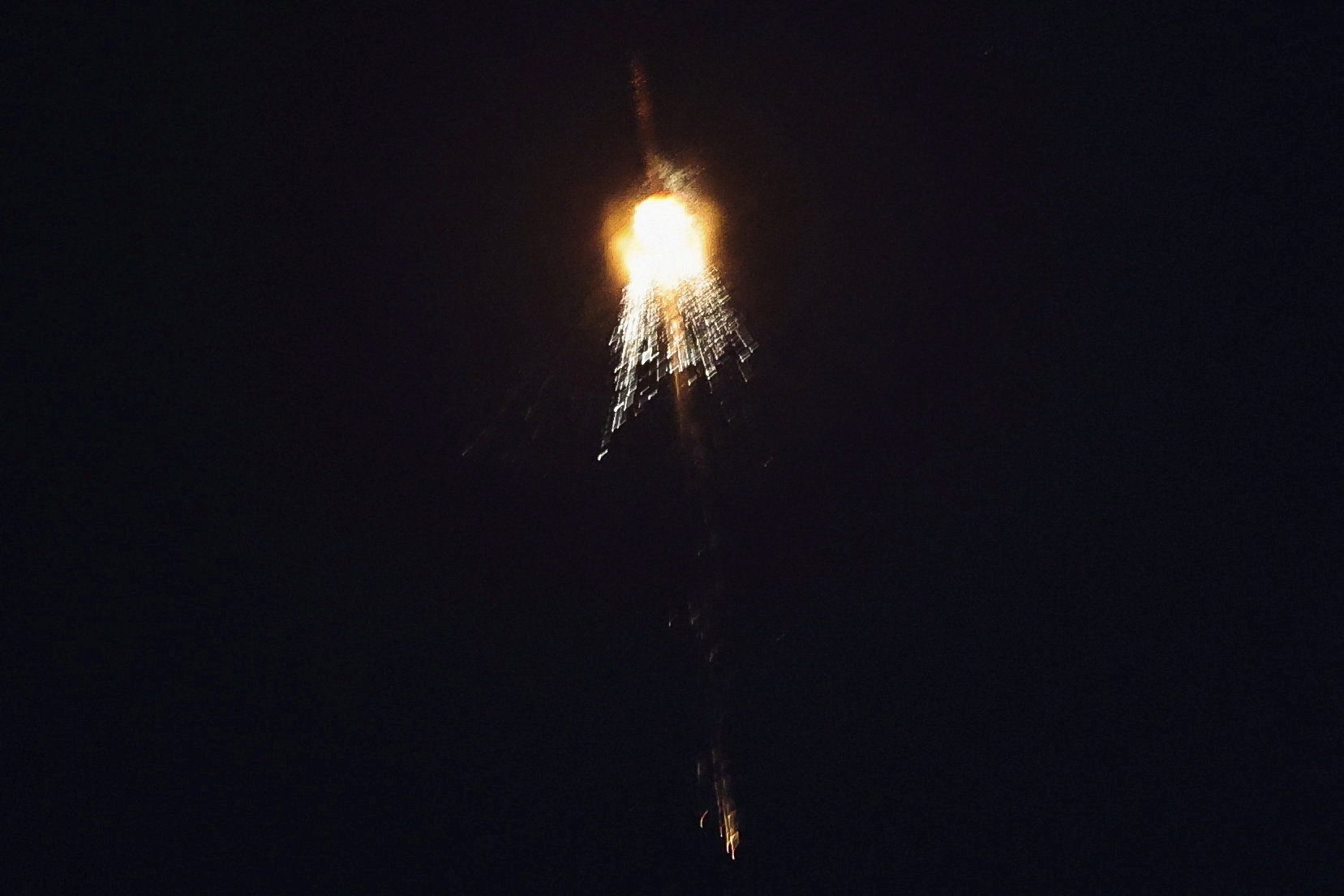
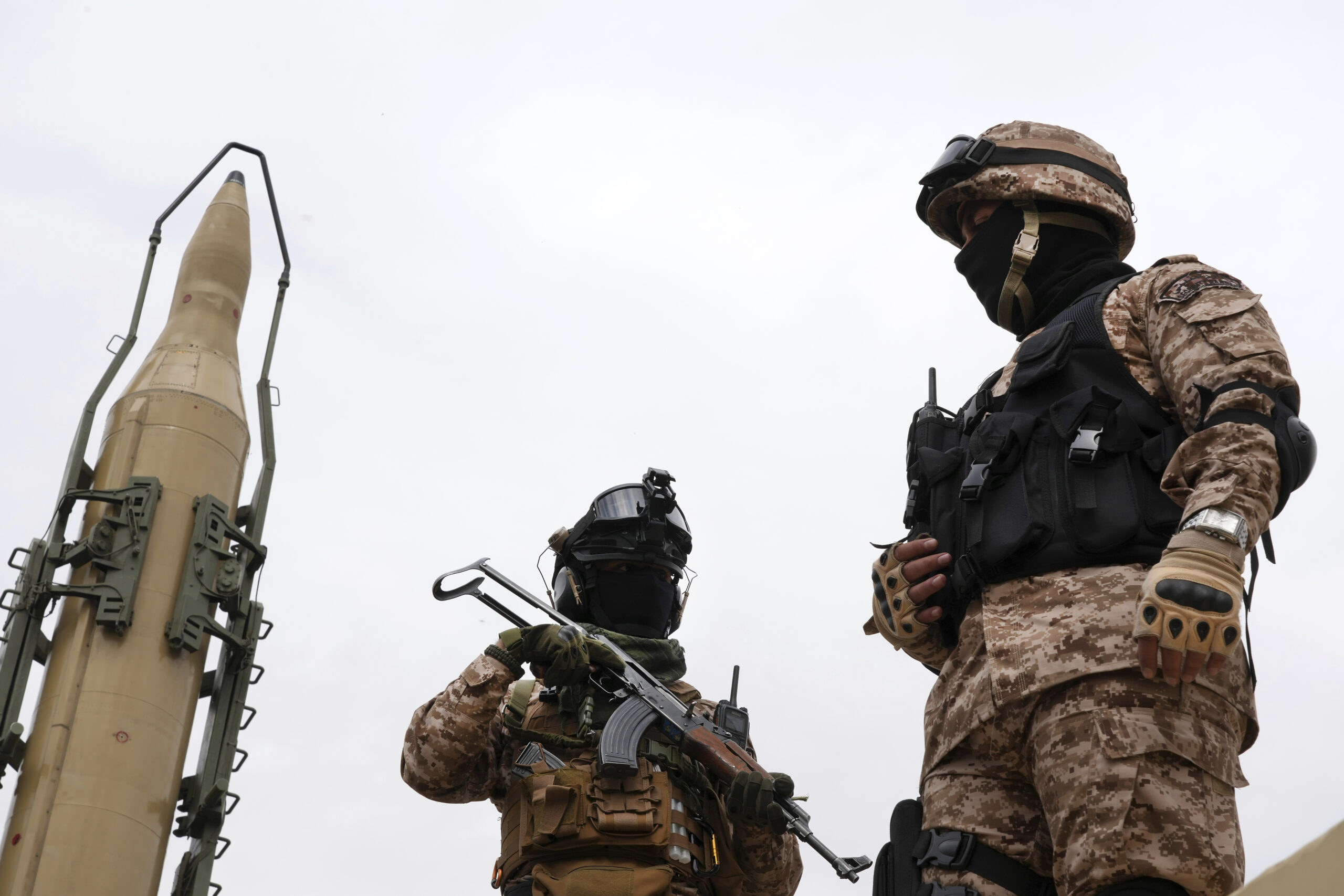
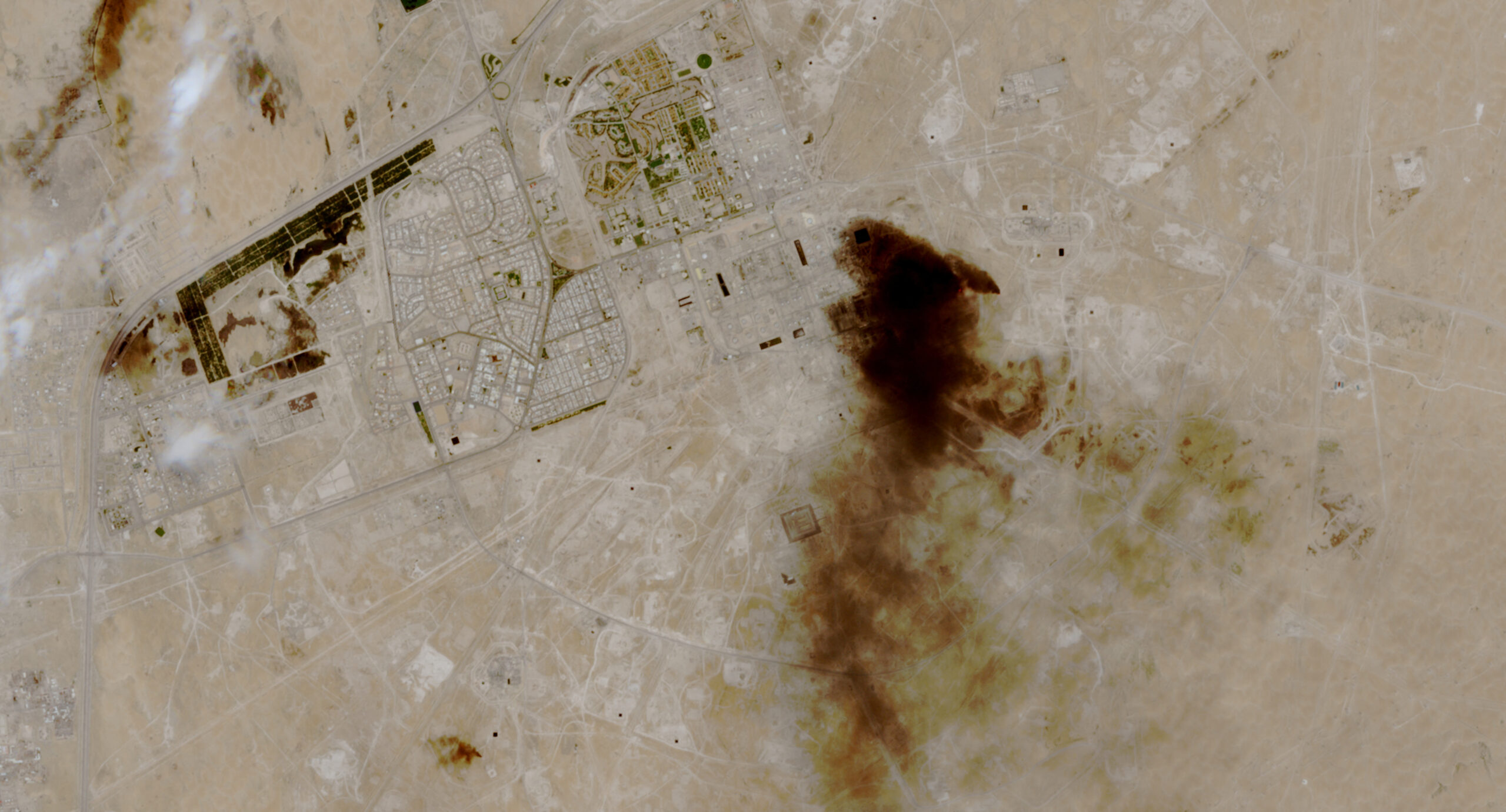
Since the start of the U.S.-Israeli conflict with Iran, Gulf cities have suffered an unprecedented wave of attacks waged by Tehran. Though the Iranian regime has fired many ballistic and cruise missiles, the bulk of its air offensive on the Arabian Peninsula has relied on unmanned aerial vehicles, particularly the infamous Shahed-136 series of drones developed indigenously by Iran. For the first two weeks of the war, 83% of Iranian attacks on the UAE involved drones.
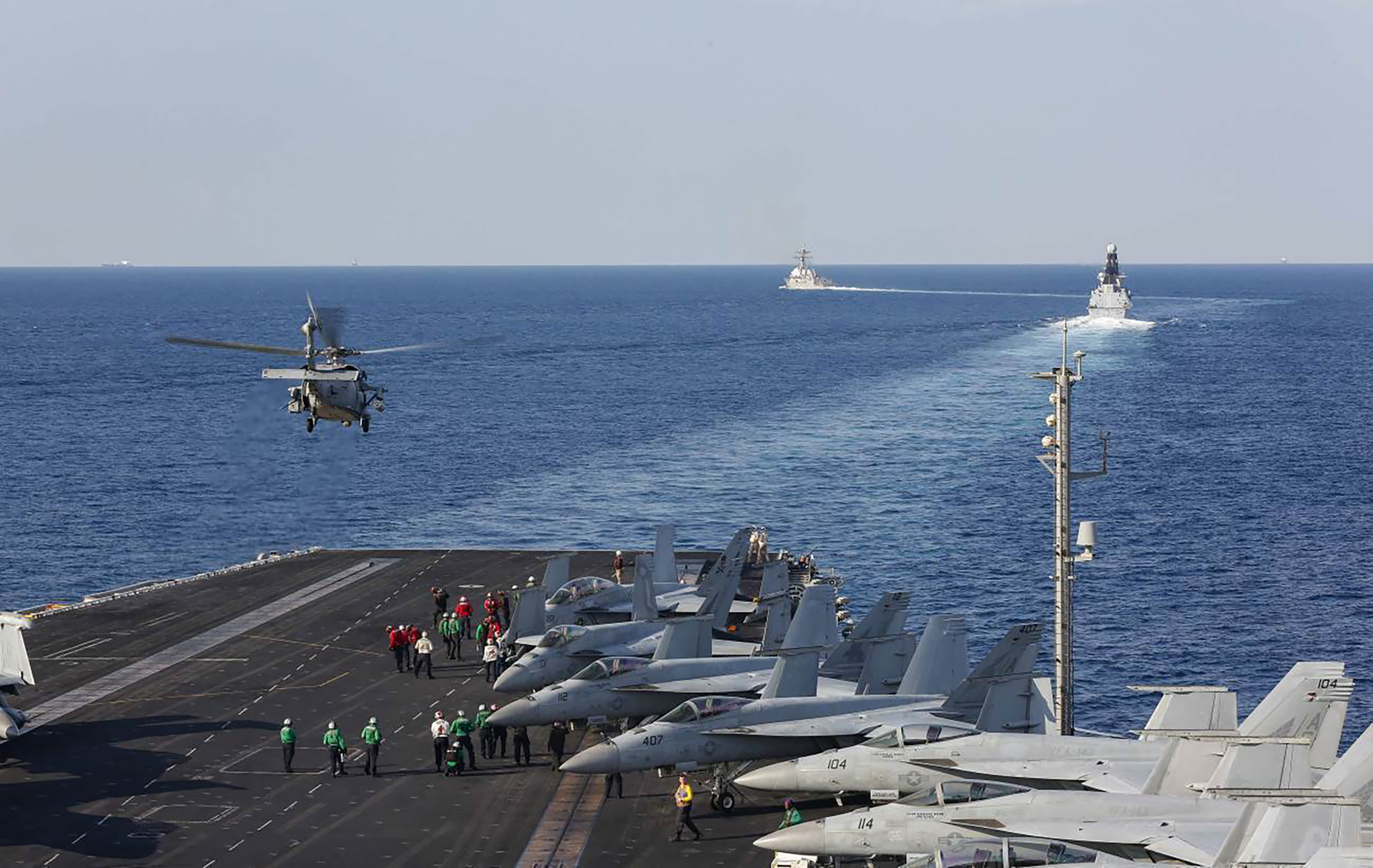
The scale of these attacks is testing the resilience of Gulf air defense systems. Since the 1990s, Gulf governments have invested significantly in air defense, ordering Patriot batteries and, in the case of the UAE and Saudi Arabia, Terminal High Altitude Area Defense batteries too. But primarily designed to intercept short- to mid-range missiles, Gulf systems are ill-suited against Iranian UAVs. Small drones like those operated by Iran, flying at low altitude, are hard to detect by radar. Their maneuverability and ability to change trajectory make interception more challenging than more predictable missile threats. The drone challenge to air defenses has been rising for several years. The Houthis demonstrated their ability to inflict significant damage with drones when they attacked Abu Dhabi airport in January 2022. Two years later, they were also able to destroy a building in the middle of Tel Aviv, Israel.
Adding to the technical challenges of intercepting Iran’s drones is the unfavorable cost-benefit ratio. Iranian drones cost about $35,000 to make and can be manufactured quickly. In comparison, a THAAD interceptor is estimated to cost $12.7 million, while a Patriot missile costs $4 million. In the first weeks of the war, Gulf armed forces were forced to destroy hundreds of cheap drones using their expensive and limited missile defense capabilities: They reportedly fired more than 800 Patriot interceptors in just the first three days. Gulf air defense units are struggling to intercept the Iranian drones, and they are also quickly running out of interceptors.
This is where Ukraine’s security assistance becomes a crucial and potentially decisive development. For more than three years, Ukrainian soldiers have faced a similar challenge. Since early in Russia’s war with Ukraine, Iran has supported Moscow, particularly with the provision of Shahed-136 UAVs. Since 2023, Tehran’s help has enabled Russia to escalate its air campaign on Ukrainian cities. In the absence of sufficient air defense capabilities, like those of the Gulf states, Ukraine had to innovate and created counterdrone capabilities that not only proved more effective at intercepting Russian UAVs but were also cheaper and easier to assemble than traditional Western missile defense interceptors. According to Kyiv, those interceptors cost between $800 and $3,000 per unit, and Ukraine can produce at least 2,000 per day. So far, these capabilities have enabled Ukraine to mitigate, though not eliminate, the damage caused by the Russian drone campaign.
Ukrainian support to Gulf air defenses makes sense at an operational level, but the politics surrounding it are more complex. Gulf states have refrained from getting involved in the Russia-Ukraine war. At first, Gulf states stayed neutral because they perceived the conflict as a Western issue disconnected from developments in the Middle East. At the same time, Gulf states were reluctant to antagonize Russia for a conflict that did not challenge their own interests. They declined to impose sanctions on Moscow, and the war even had positive effects on Gulf economies, as Europeans turned to Gulf energy supplies as an alternative to Russian gas. One of the most visible consequences was the influx of Russian entrepreneurs and capital moving to Dubai to escape international sanctions.
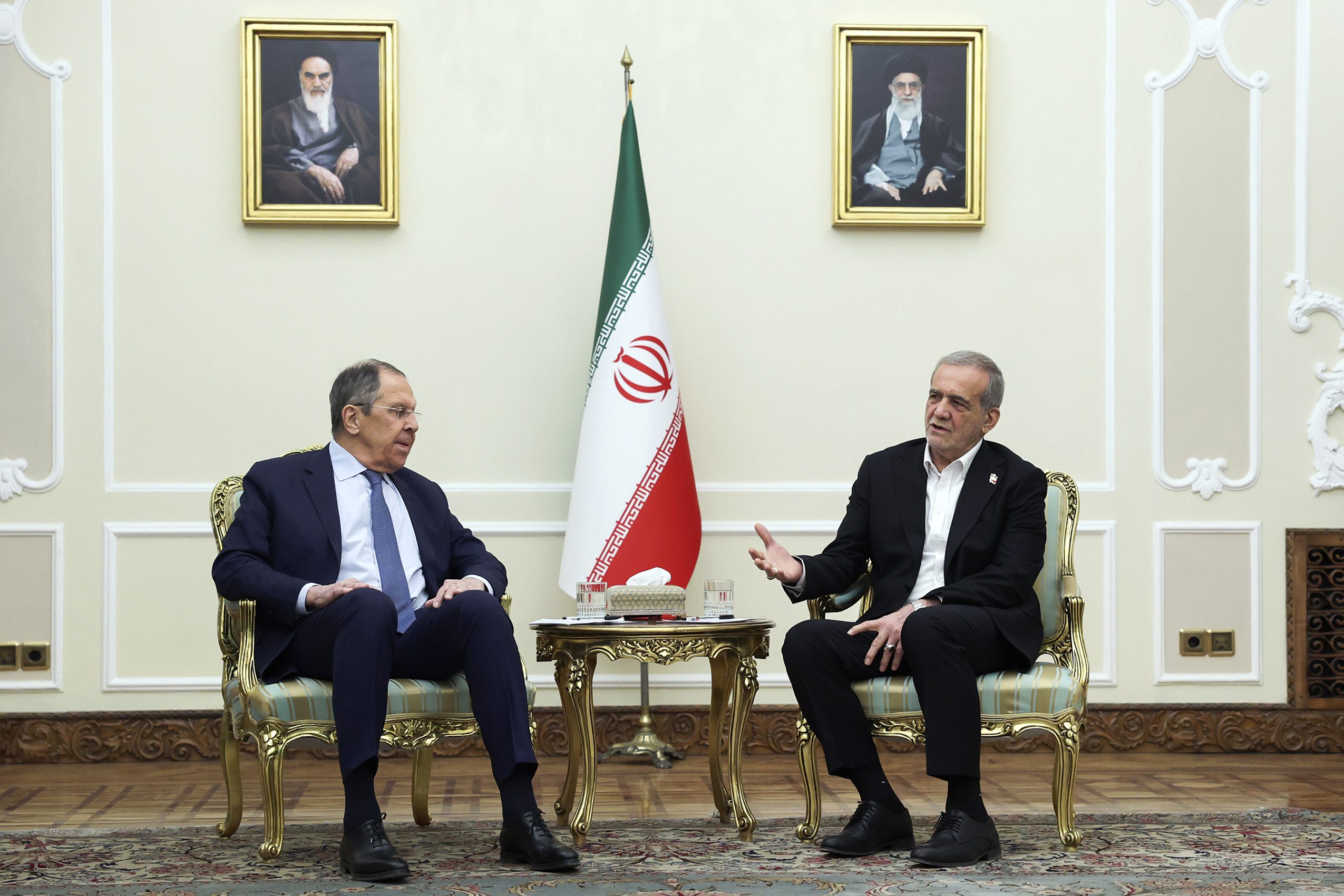
Iran’s support to Russia in the war against Ukraine did not affect Gulf assessments. Tehran might have deepened its military cooperation with Moscow, but this coincided with a period of de-escalation between Gulf Arab states and Iran that began around 2020 and culminated in a March 2023 Saudi-Iranian deal. Gulf officials did not see Russia-Iran cooperation as compromising their efforts to build new ties with the regime in Tehran.
It is, of course, easier in retrospect to see the flaws of this neutral posture. Iran not only provided drone support to Russia in its war against Ukraine, but it surely learned precious lessons from that campaign on how best to use UAVs against an opponent equipped with Western systems. Arguably, Iran learned the most from the Russia-Ukraine war about how drones, more than missiles, can cheaply break through on the battlefield and how their low cost and quick production make them an ideal weapon to harass an enemy. Adding to that, Iran is now reportedly benefiting from access to Russian intelligence data on U.S. military bases across the region. Russia is also reportedly providing advice on drone tactics to evade Gulf air defenses. Seemingly, the Gulf Arab states’ decision to stay away from the Russian and Iranian wars has been rewarded by closer coordination between Moscow and Tehran in targeting their cities.
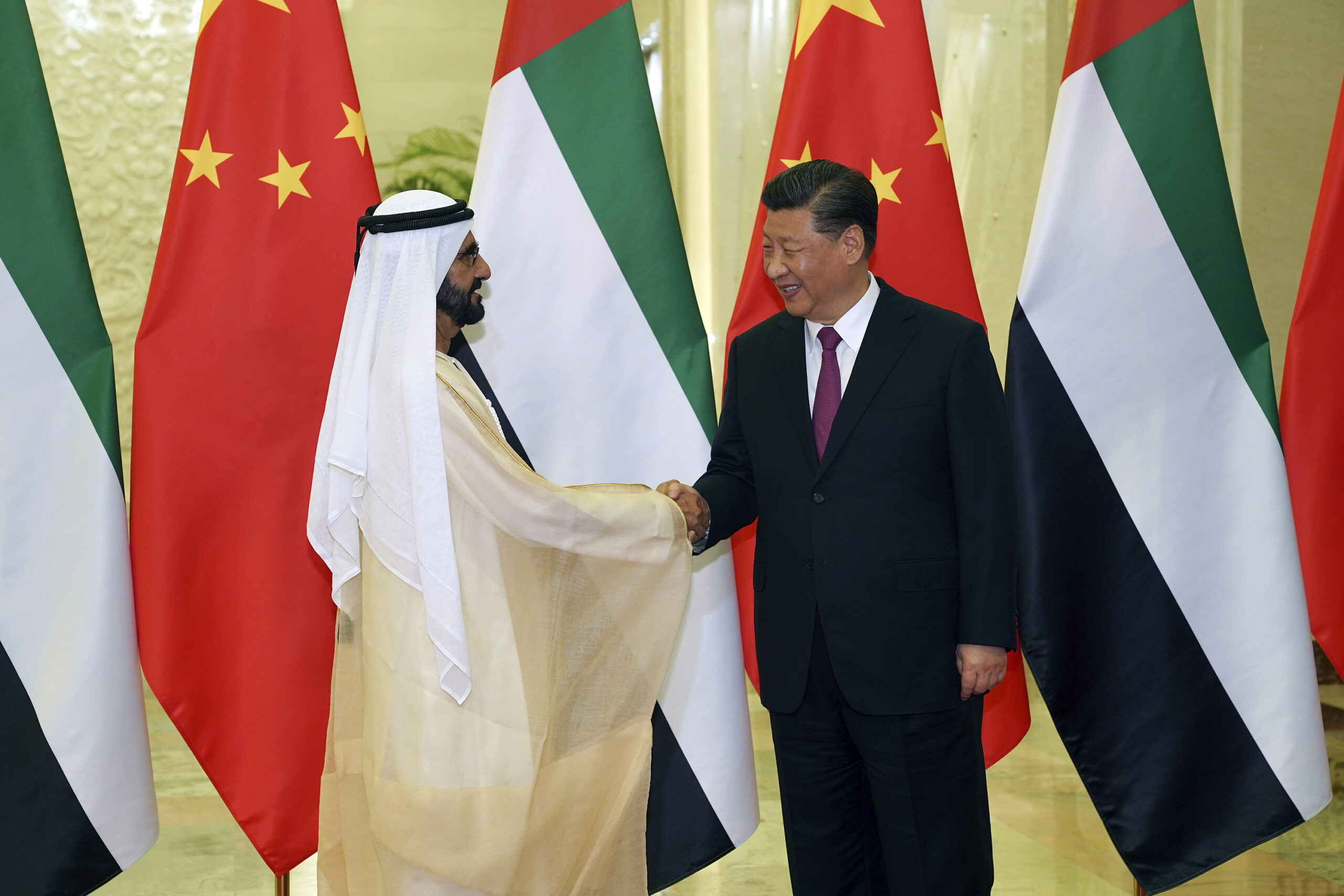
This does not mean that there will be a sudden shift in Gulf diplomacy vis-à-vis Russia or its war with Ukraine. Gulf diplomats will most likely try to stay the course and avoid an open diplomatic crisis with Russia in the middle of a war. But their neutrality will be increasingly hard to sustain if there is growing cooperation with Ukraine on the battlefield. As of today, it remains unclear how much Ukrainian assistance could offset Iran’s relentless attacks on Gulf infrastructure, and nothing has been made clear about what Kyiv will get in return. But if this help proves decisive, both conflicts will inexorably feed each other. Iran already threatened that if Ukraine provides assistance, Tehran will consider Kyiv a legitimate target. If Ukrainian support is successful, Russia will also grow concerned that the Gulf financial compensation in return will empower Kyiv’s defense industry at a time when both sides are struggling to sustain their war efforts. At a minimum, Riyadh or Abu Dhabi will no longer be able to serve as credible mediators between Kyiv and Moscow if they rely on Ukrainian military support to defend against one of Russia’s partners. The neutrality cultivated by Gulf governments regarding the Russia-Ukraine war will not hold and may lead to a realignment, if not in words then in deeds. At a deeper level, it may be a blow to Gulf multialignment diplomacy.
The views represented herein are the author's or speaker's own and do not necessarily reflect the views of AGSI, its staff, or its board of directors.
The war is demonstrating that missile defense can blunt Iran’s strategy – but only if the United States and its regional partners ensure that their defenses can keep pace with the scale and speed of future conflicts.
Even if the Ukraine war comes to an end, the implications of Russia’s partnerships with Iran and the Houthis will last, and the consequences will be felt, first and foremost, in the Gulf.
Russian equivocation, U.S. distraction, and Gulf Arab states’ reliance on deterrence and defense will likely undermine prospects for addressing regional missile proliferation through diplomacy.
In the future landscape of Gulf security, the United States may remain an essential arms supplier but wield less influence over force structure and military doctrine.
Even if the Ukraine war comes to an end, the implications of Russia’s partnerships with Iran and the Houthis will last, and the consequences will be felt, first and foremost, in the Gulf.
By investing politically and economically in the small states of the Indian Ocean, both on its African and Asian shores, Gulf Arab states are positioning themselves as pivotal actors in the region.