Putting the 2026 Saudi Budget Under the Microscope
The Saudi government projects that the budget deficit will narrow during 2026-28, but this will depend on a rebound in oil prices and tight control of spending.

The Saudi Ministry of Finance has released the central government budget for 2026. The budget contains estimates of revenue, expenditure, and the fiscal deficit for 2025 and projections for 2026-28.
Fiscal Outlook
The Ministry of Finance estimates that the 2026 fiscal deficit will narrow to 165 billion riyals ($44 billion; 3.3% of gross domestic product) from 245 billion riyals ($65 billion; 5.3% of GDP) in 2025. This is based on a 5.1% increase in revenue and a 1.7% decline in spending relative to 2025. The fiscal deficit is expected to narrow further to 125 billion riyals (2.2% of GDP) by 2028.
The assumptions made on oil prices, oil production, and oil revenue are not disclosed. However, if it is assumed that oil production averages 10.1 million barrels per day in 2026 (consistent with current OPEC+ production plans) and that the dividend paid by Saudi Aramco to its shareholders increases by 5%, the assumed oil price in the budget is likely around $72 per barrel. Oil revenue would then be 4.5% higher in 2026 than in 2025. Non-oil tax revenue is budgeted to increase by 5% in 2026, which is reasonable given the growth prospects for the economy.
The projected decline in spending in 2026 is due to lower outlays on goods and services and investment projects, which more than offset higher spending on wages and salaries. Spending, however, usually exceeds the budget estimate, and while such overruns have been reduced in recent years, spending was still 4% higher than budgeted in 2025. Given this history, it is unlikely that spending will be lower in 2026 than in 2025.
In terms of financing, the budget notes that the government will use domestic and external financing through public and private channels in 2026 and will also expand its use of alternative funding sources, including project financing and export credits. Government debt is seen rising to 32.7% of GDP in 2026 from 31.7% of GDP in 2025.
Oil to Determine Budget Path
The Saudi government has made significant progress in broadening its revenue sources in recent years. Non-oil revenue now accounts for 46% of total government revenue. Nevertheless, oil revenue remains the key driver of the budget. Unfortunately, this revenue is inherently difficult to forecast because of the volatility of the global oil market and the uncertainty about Aramco’s future dividend policy.
Whether the 2026 budget numbers look reasonable largely depends on the path of the global oil market. The budget appears to take a relatively optimistic view on the oil market outlook, consistent with OPEC’s well-established position that the demand for oil remains robust. However, if oil prices were to average $65/bbl in 2026, oil revenue would be around 40 billion riyals (about $10 billion) lower than in the budget. If this were combined with a spending overrun, relative to the budget, of 4% (same as in 2025), the fiscal deficit in 2026 would be around 260 billion riyals ($69 billion; 5.2% of GDP), little changed from 2025.
The views represented herein are the author's or speaker's own and do not necessarily reflect the views of AGSI, its staff, or its board of directors.
Related
Saudi Economic Spotlight
Nov 19, 2025
The Saudi Trade and Investment Commitment to the United States in Perspective
The $1 trillion Saudi trade and investment commitment to the United States will be extremely difficult to achieve given the size of the Saudi economy and its current financial situation.
Saudi Economic Spotlight
Jul 1, 2025
The IMF Comments on the Saudi Economy and Policy Framework
The International Monetary Fund continues to endorse the direction of economic reform in Saudi Arabia but notes that risks from oil price uncertainty and strong credit growth will need to be carefully managed to keep the economy on a strong growth trajectory.
Saudi Economic Spotlight
Apr 23, 2025
Saudi Current Account in Deficit in 2024 Despite High Oil Prices
The Saudi current account moved into a small deficit in 2024 despite oil prices of $80 per barrel. A return to a surplus is unlikely unless oil revenue moves sharply higher.
Nov 19, 2025
The Saudi Trade and Investment Commitment to the United States in Perspective
The $1 trillion Saudi trade and investment commitment to the United States will be extremely difficult to achieve given the size of the Saudi economy and its current financial situation.
Jul 1, 2025
The IMF Comments on the Saudi Economy and Policy Framework
The International Monetary Fund continues to endorse the direction of economic reform in Saudi Arabia but notes that risks from oil price uncertainty and strong credit growth will need to be carefully managed to keep the economy on a strong growth trajectory.
Apr 23, 2025
Saudi Current Account in Deficit in 2024 Despite High Oil Prices
The Saudi current account moved into a small deficit in 2024 despite oil prices of $80 per barrel. A return to a surplus is unlikely unless oil revenue moves sharply higher.
Analysis
Evaluating the PIF’s Financial Performance and New Strategic Direction
In its new strategy, the Saudi Public Investment Fund seems to focus more on investment returns and less on asset growth. How this will work in practice is less clear, including what it means for the future of existing projects, such as Neom.

Saudi Economic Recovery Delayed by New Threats
Attacks on the East-West oil pipeline and other targets in Saudi Arabia will result in a larger-than-expected economic contraction in the kingdom this year.
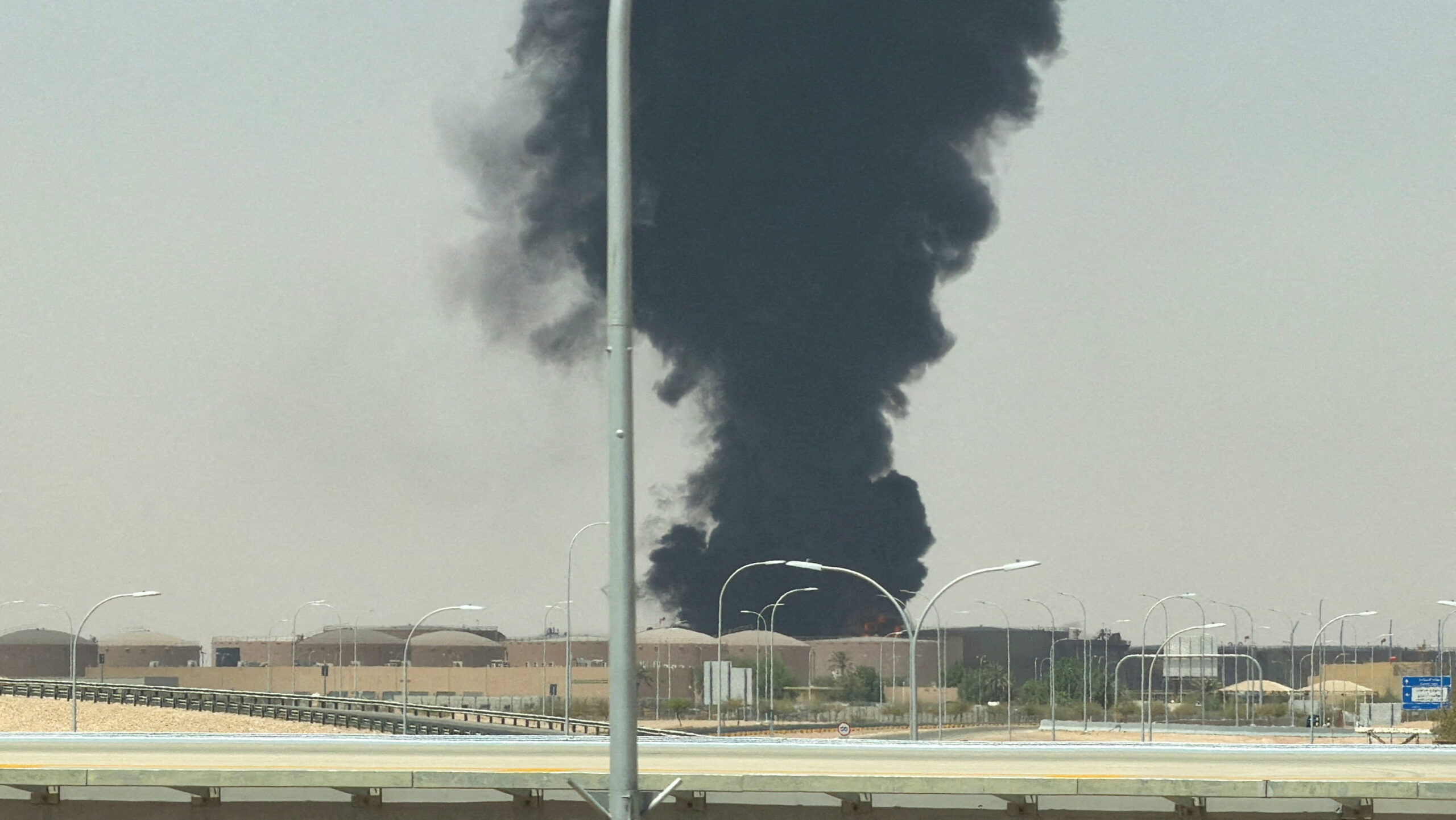
The Trump Presidency, Iran War, and U.S.-Gulf Economic Relationship
The outbreak of the Iran war has halted the deepening of the economic relationship between the United States and the Gulf countries. While likely temporary, it could take some time before the upward trajectory is restored.
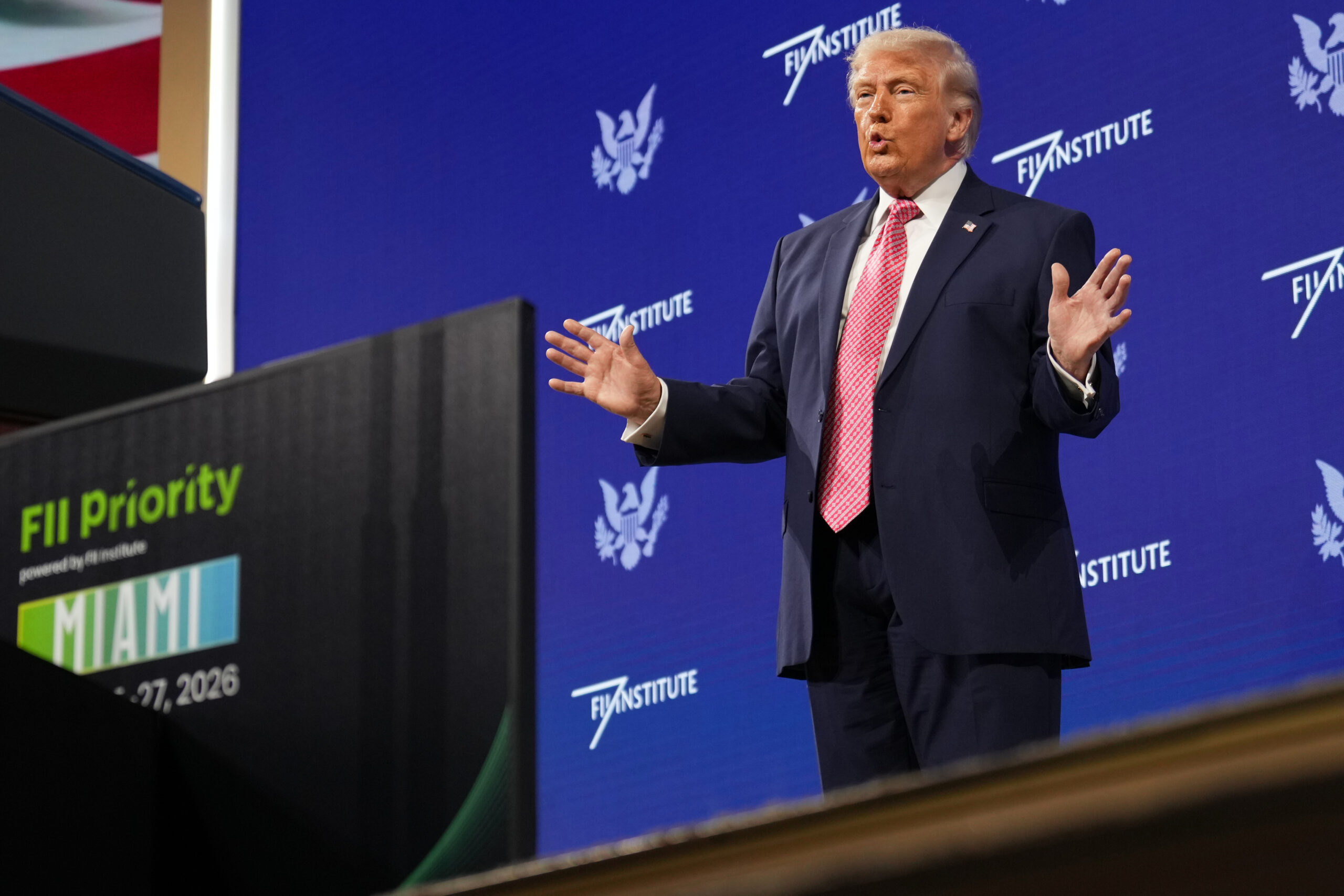
Have Saudi Labor Market Reforms Run Their Course?
Recent data suggests that the positive impact of a decade of reforms to improve Saudi labor market outcomes may now be waning.

Events
Mar 11, 2026
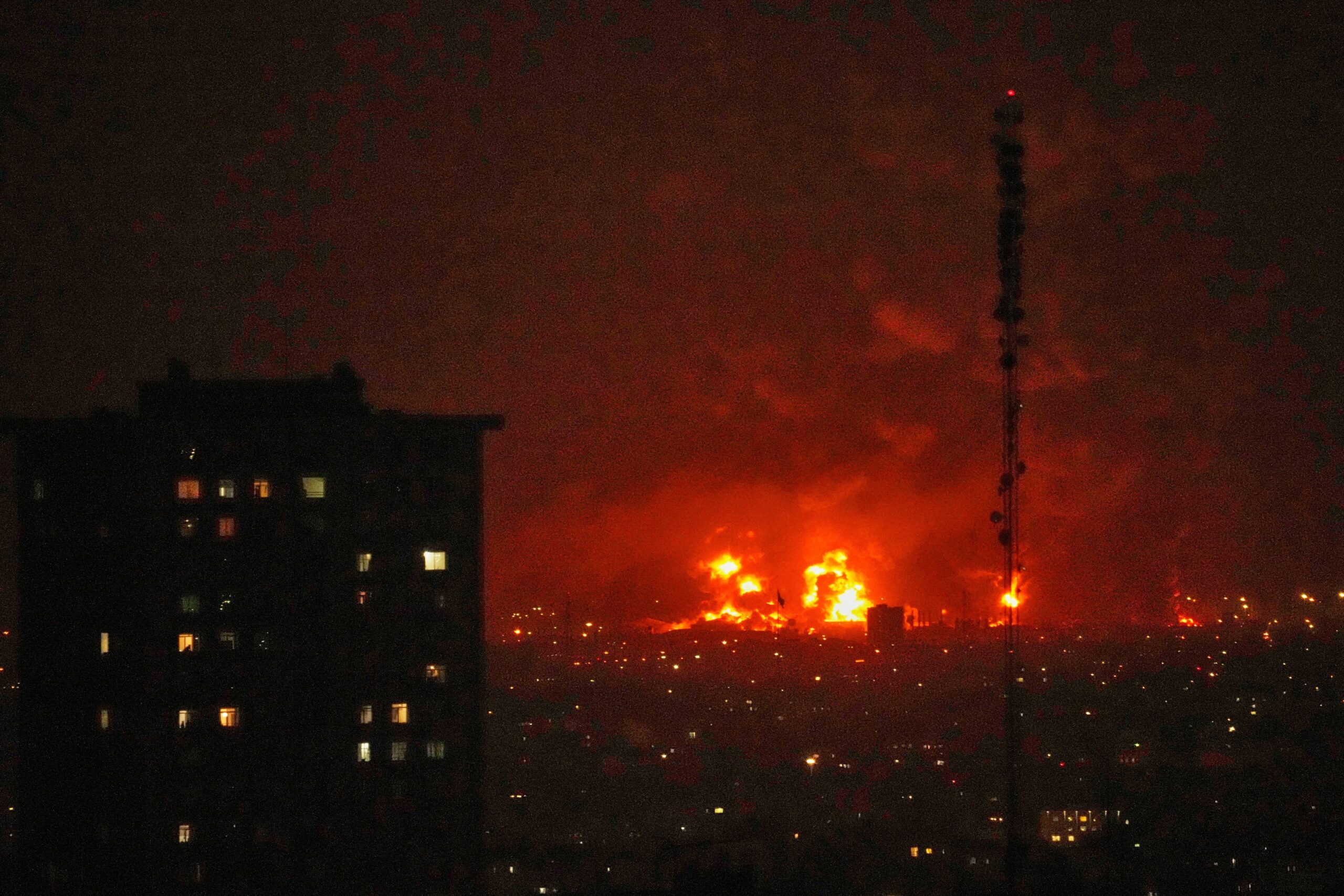
Shockwaves From Iran: Implications for Energy Markets and the Global Economy
On March 11, AGSI hosted a discussion on global energy and economic market volatility.
Speakers




Jan 8, 2026
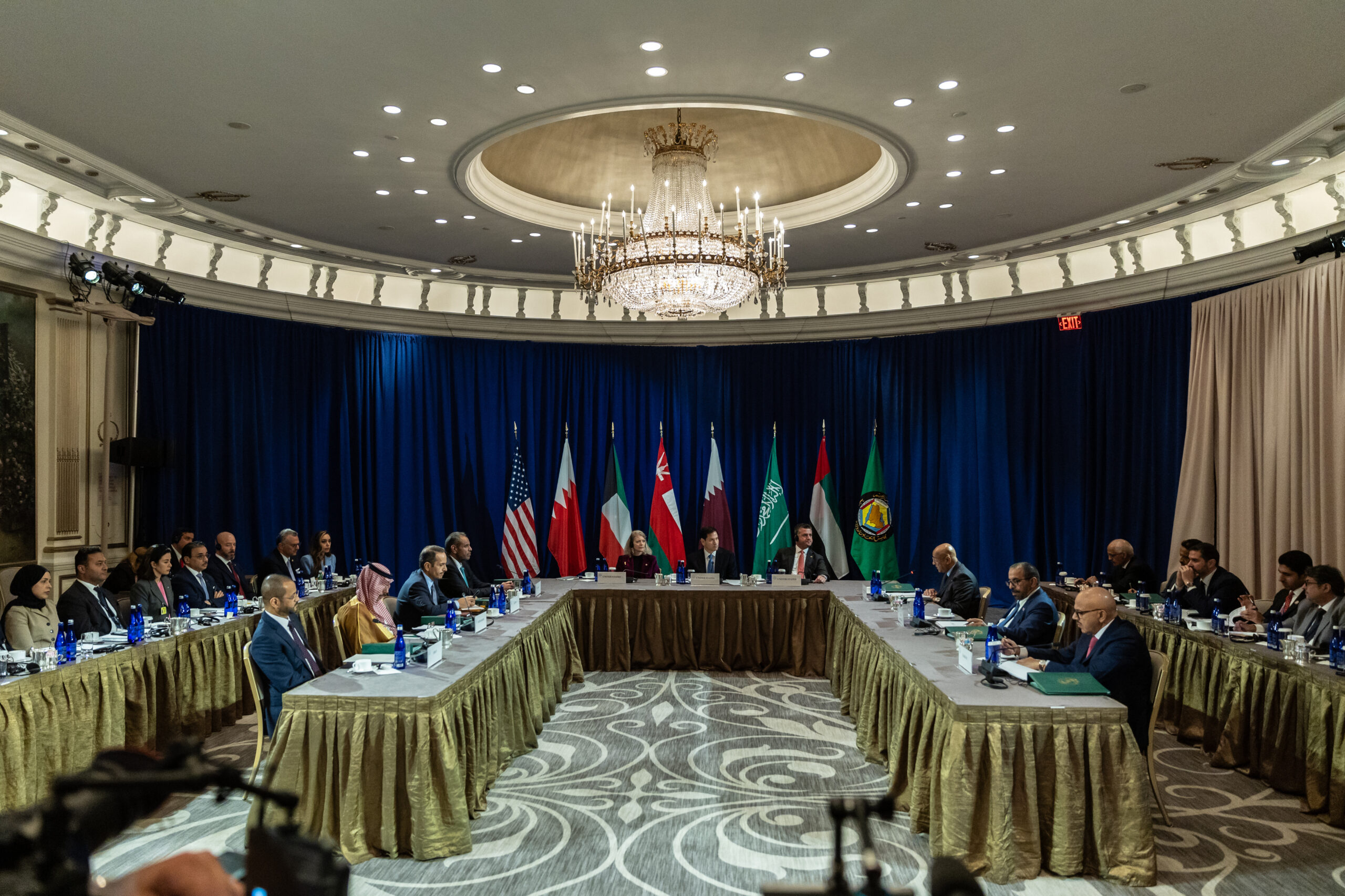
Outlook 2026: Prospects and Priorities for U.S.-Gulf Relations in the Year Ahead
On January 8, AGSI hosted a virtual roundtable with its leadership and scholars as they look ahead and assess trends likely to shape the Gulf region and U.S. foreign policy during the coming year.
Speakers





Dec 15, 2025
Looking to 2026: Economic Prospects and Policy Challenges in the GCC
On December 15, AGSI hosted a discussion on the future of Gulf economies.
Speakers


Sep 4, 2025
Saudi Arabia: Sustaining Strong Growth Amid Global Economic Uncertainty
On September 4, AGSI hosted a discussion on the International Monetary Fund’s 2025 Article IV report on Saudi Arabia.
Speakers