Feb 6, 2024
Iran’s State-Censored Media Reacts to U.S. Bombing of Iranian Proxies
The February 6 edition of the Iran Media Review examines the muted response in Iranian media to recent U.S. strikes against Iranian-backed militias.

On February 3, the United States carried out retaliatory strikes against Iranian-backed militias in Syria and Iraq following the killing of three U.S. service personnel in a drone attack in Jordan blamed on Iranian-backed militias. Iran’s state-censored media generally downplayed the importance of the February 3 strikes as well as ongoing U.S. attacks against Houthi positions in Yemen, suggesting the Iranian regime isn’t interested in escalating the crisis.
- February 4: In “Hollywood Scenario, Bollywood Attack,” Nour News, the official mouthpiece of the Supreme National Security Council, wrote: “The attacks and the Hollywood theatrics of the White House’s leaders resemble a balloon that will not only fail to improve their electoral fortunes but may burst anytime – and with it all the dreams of Biden and the Democrats.”
- February 4: Reformist Shargh Daily did not dedicate an editorial to analyzing the attacks, but, quoting Iranian Foreign Minister Hossein Amir-Abdollahian, it wrote: “The U.S. government’s military approach, in particular the joint U.S.-British attacks against Yemen and the redesignation of Ansar Allah as a foreign terrorist organization, complicates a political solution.” Condemning U.S. strikes in Iraq and Syria, Amir-Abdollahian reportedly said the U.S. military approach is “wrong” and a “failure.”
- February 4: Islamic Revolutionary Guard Corps mouthpiece Javan newspaper also ignored the attacks in its editorial. On page six of the newspaper, Javan delivered two short comments:
- In “A Hollywood Attack,” Javan’s anonymous columnist wrote: “According to many analysts, the five-day delay of the operation allowed Iran to relocate key individuals and materiel from the headquarters, which minimized the impact of the attack … The minimalist American response demonstrates that Iran and the resistance front have the upper hand in the region.”
- In another short piece, “New Adventurism Will Harm America,” the newspaper quoted regional affairs expert Hassan Hanizadeh, who said: “American arms were transferred from Ain al-Asad Airbase” in Iraq “to the Jordanian border. The resistance axis, which is monitoring U.S. activities in the region, engaged in a deterrent move against American positions in the region … The actions of the axis of resistance are independent of the Islamic Republic of Iran … Certain areas had been transformed into bases for training terrorists, so Iraq’s resistance forces targeted the gathering place of the Islamic State in the Iraq-Jordan border area … The best way for the United States is to end the war in Gaza. New adventurism in the region will harm America.”
- February 4: In “Much Ado About Nothing,” reformist Etemad newspaper, quoting an unnamed source “aware of Iran’s advisory mission in Syria,” wrote: “The U.S. move will have serious implications for the United States in the Middle East and is likely to provoke reactions to its occupation of the region … The Islamic Revolutionary Guard Corps and the Quds Force do not have any centers or bases in Syria or Iraq, and the U.S. claims are lies and fabrications.” Nevertheless, the fundamental message of the article was that recent U.S. strikes did no harm to Iran’s personnel and interests in the region.
- February 4: Islamic World News, which appears to be a government news agency covering the activities of Iran’s proxies, quoted Falih Al-Fayyadh, the chairperson of Iraq’s Popular Mobilization Forces. Attending the funeral services of 16 Iraqi militiamen killed in the latest U.S. attack, Fayyadh reportedly said:
- “By targeting the Popular Mobilization Forces, America played with fire. This aggression shall not remain unanswered. The Popular Mobilization Forces are a source of pride of the armed forces and all Iraqis. Our country must be cleansed of the presence of foreigners.”
The views represented herein are the author's or speaker's own and do not necessarily reflect the views of AGSI, its staff, or its board of directors.
Related
Iran Media Review
Feb 2, 2024
Journal Article Discusses Saudi Arabia’s Nation Branding
The February 2 edition of the Iran Media Review examines Iranian commentary on Saudi Arabia’s efforts to change its international image.
Iran Media Review
Jan 30, 2024
Shargh Daily on Iran-Pakistan Crisis: “Stormy 72 Hours”
The January 30 edition of the Iran Media Review examines commentary on the future of Iran-Pakistan ties following recent tit-for-tat strikes between the two countries.
Feb 2, 2024
Journal Article Discusses Saudi Arabia’s Nation Branding
The February 2 edition of the Iran Media Review examines Iranian commentary on Saudi Arabia’s efforts to change its international image.
Jan 30, 2024
Shargh Daily on Iran-Pakistan Crisis: “Stormy 72 Hours”
The January 30 edition of the Iran Media Review examines commentary on the future of Iran-Pakistan ties following recent tit-for-tat strikes between the two countries.
Analysis
The Islamic Republic Returns to Offense
After U.S.-Israeli strikes killed Supreme Leader Ayatollah Ali Khamenei on February 28, Iran’s collective leadership has concluded that the best defense is a good offense.
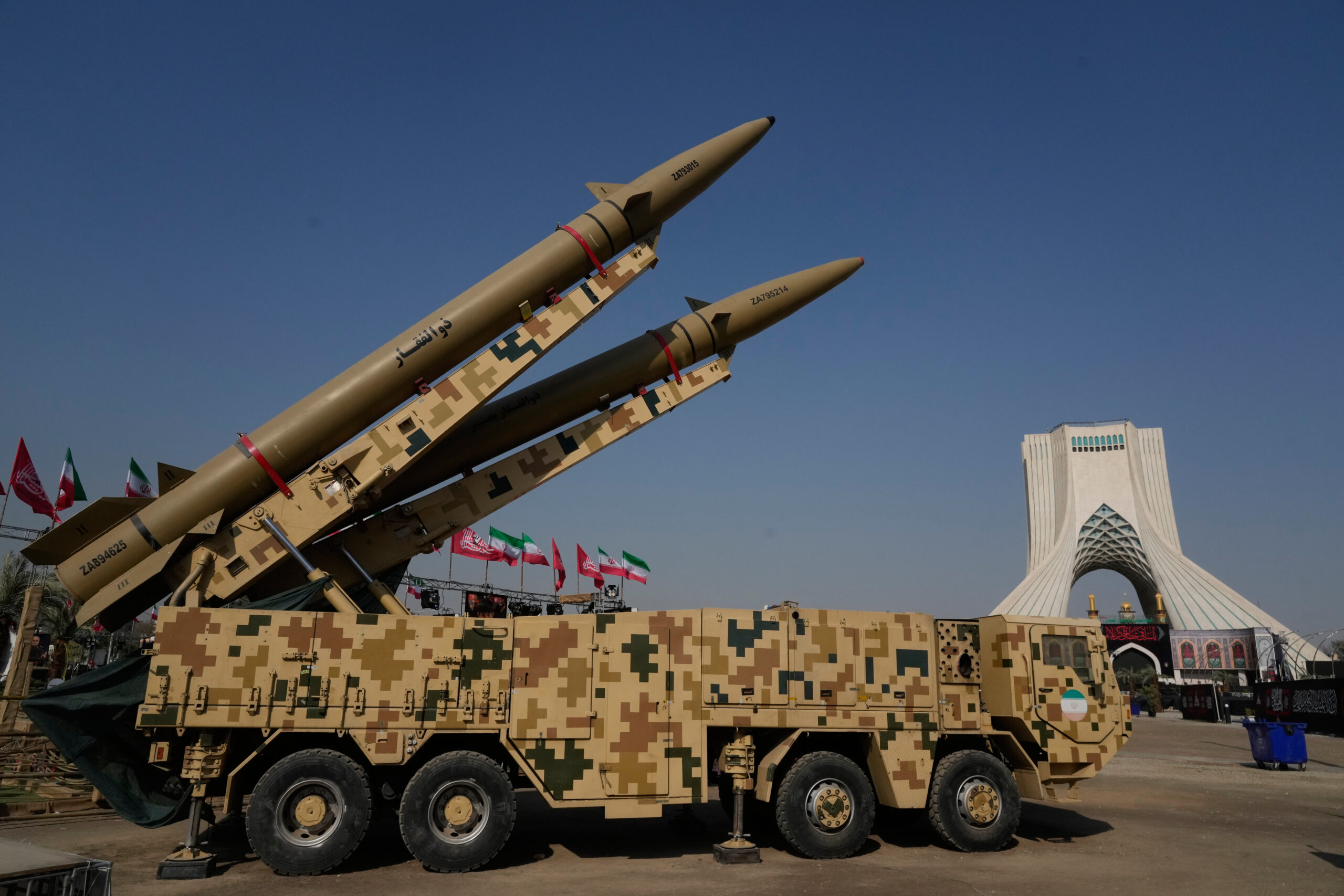
Iran’s Collective Strategic Decision Making
Wartime pressure has temporarily aligned the leadership’s overriding interest in regime survival, even as its members continue to differ over the costs, methods, and ultimate objectives of the war.
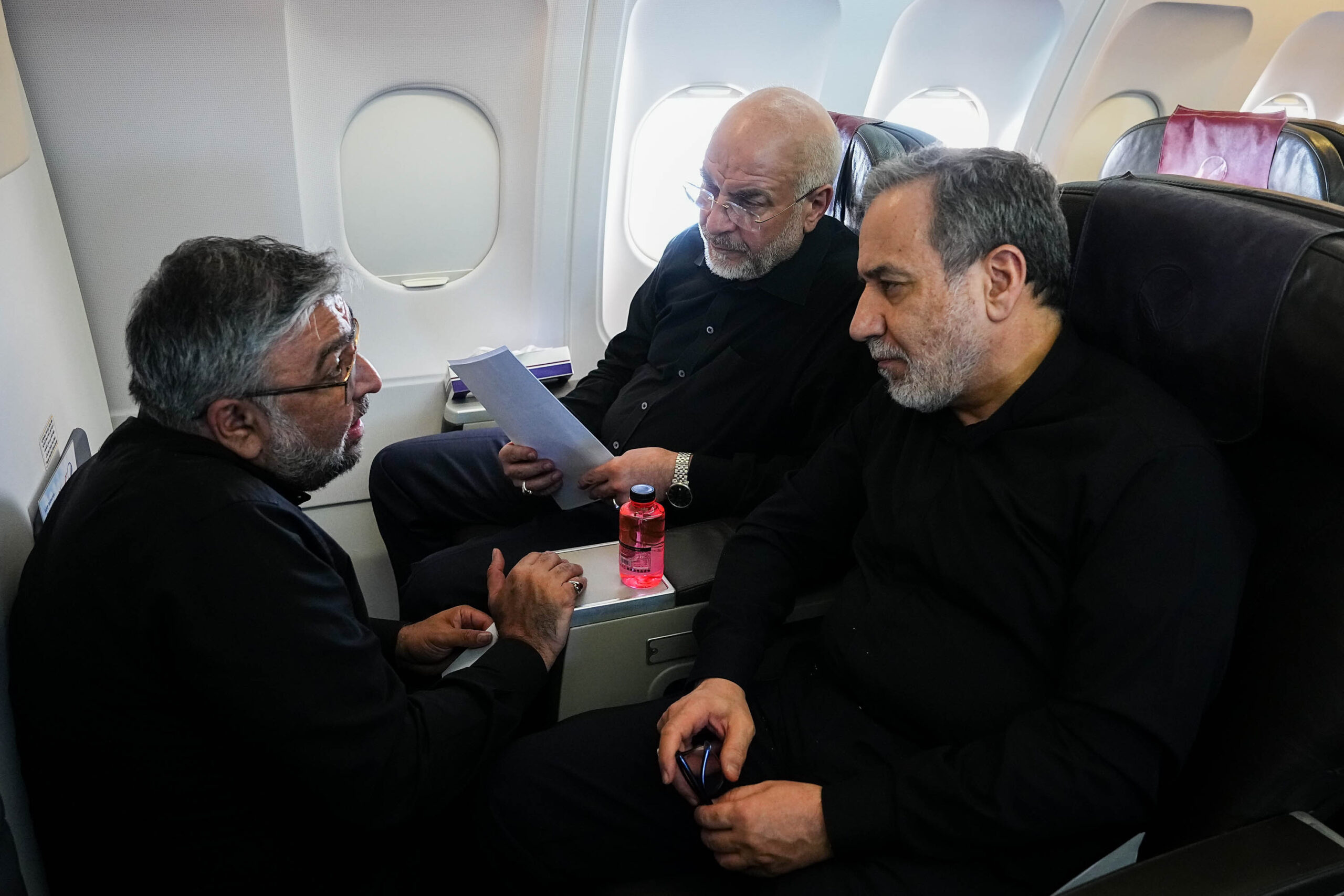
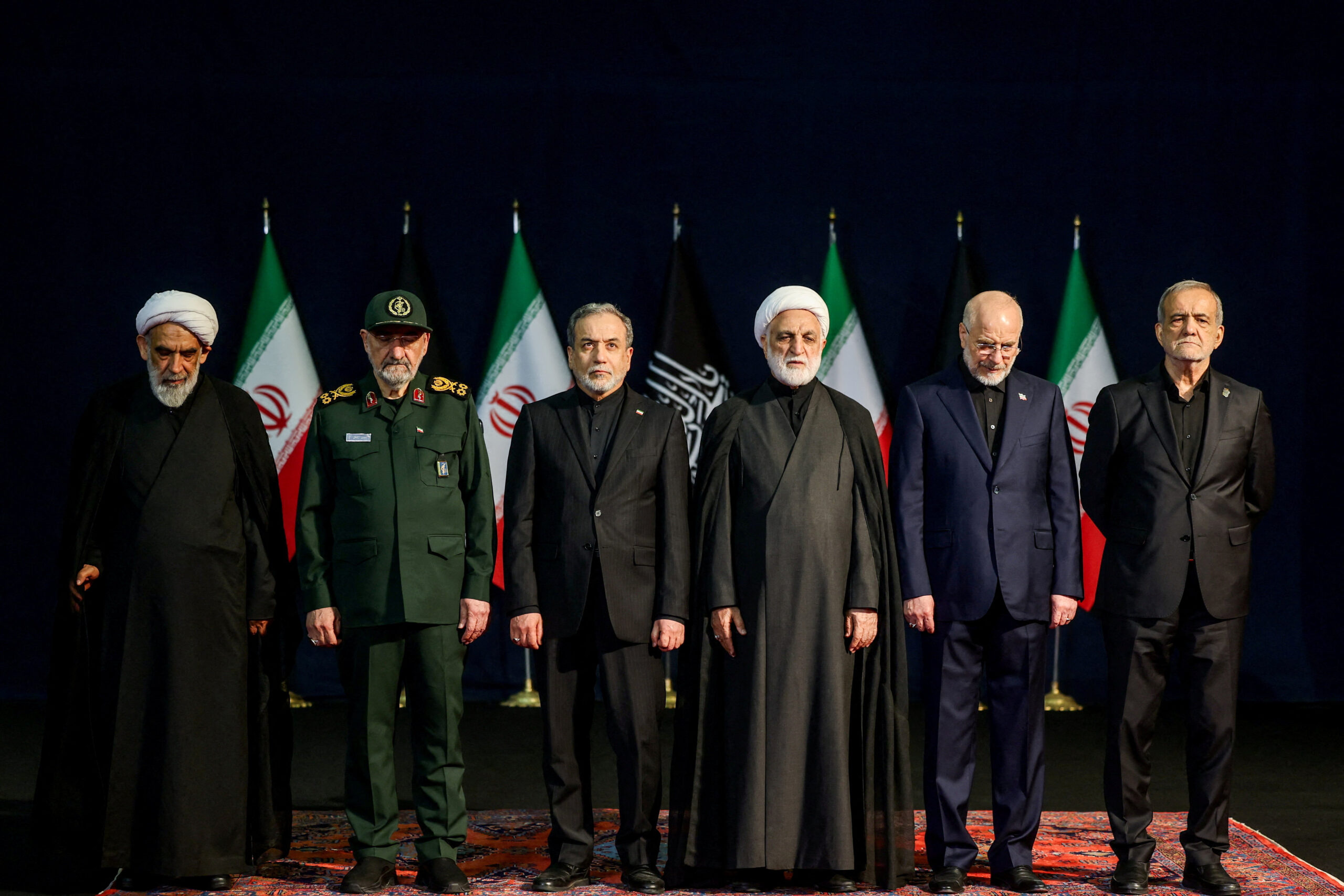
The Islamic Republic’s Collective Leadership
While there is historical precedent for collective leadership in Iran, today’s leadership includes representatives of the IRGC and regular military – a reflection of the IRGC’s expanding role and the necessities of governing under wartime conditions.
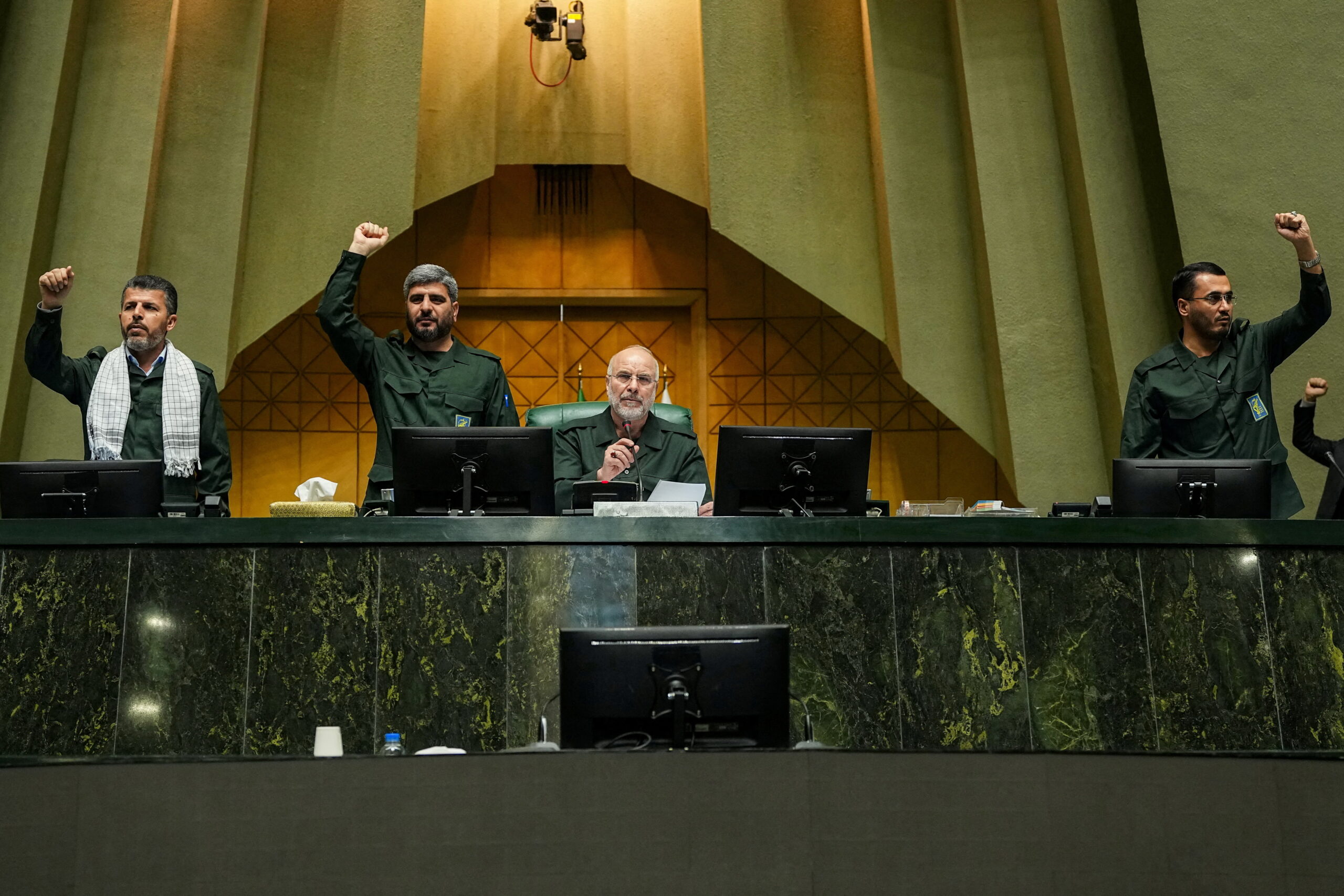
How Did the IRGC Seize Power in Iran?
The IRGC did not seize power in a single stroke. It accumulated it – patiently, methodically – until no counterweight remained.
Events
Book Talk: Iran and the Bomb: The United States, Iran and the Nuclear Question
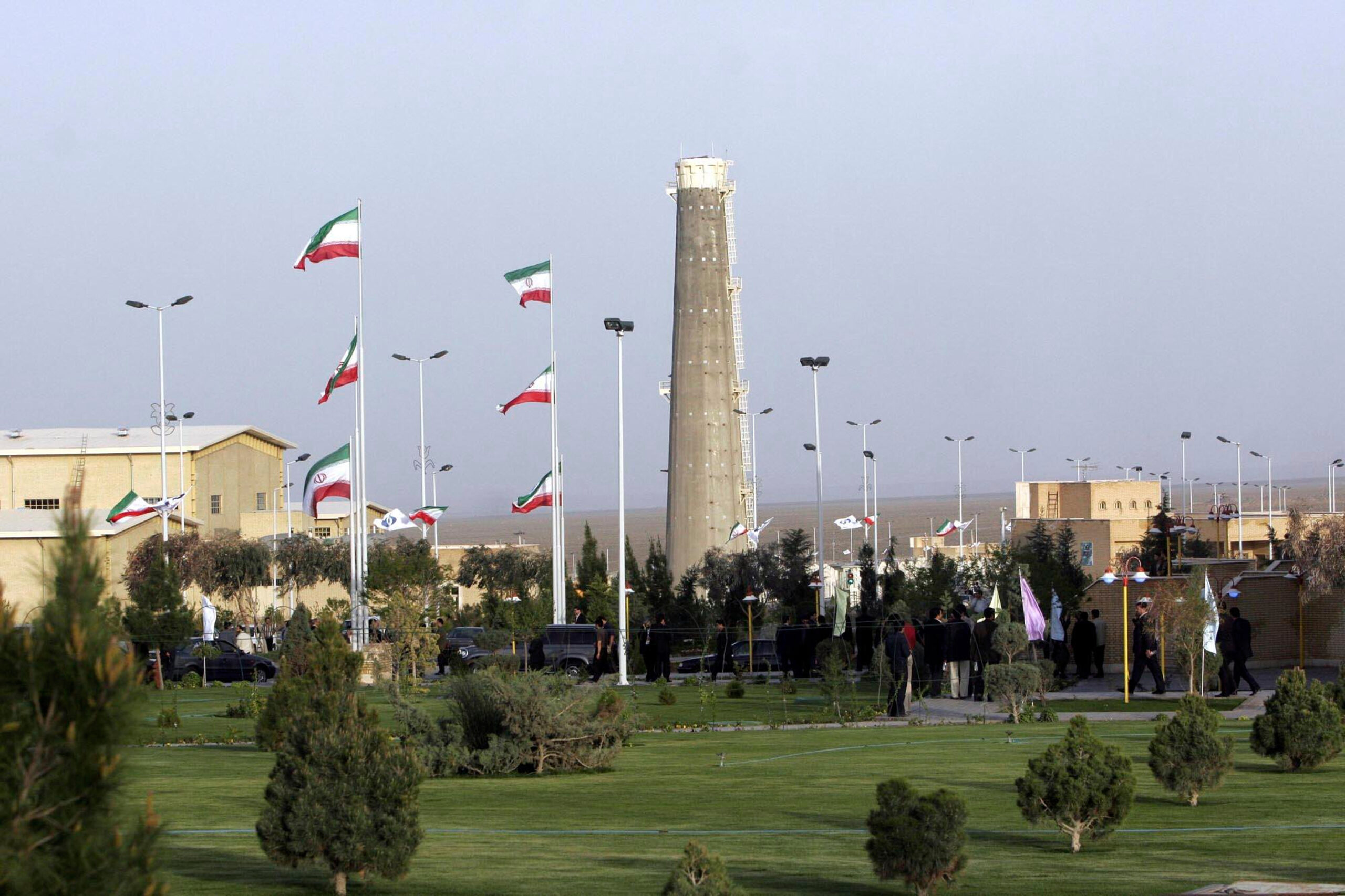
On June 16, AGSI hosted a discussion on the evolution of Iran's nuclear program.
Speakers

Apr 21, 2026
Inside Iran’s Wartime Leadership: Power, Succession, and Regime Stability
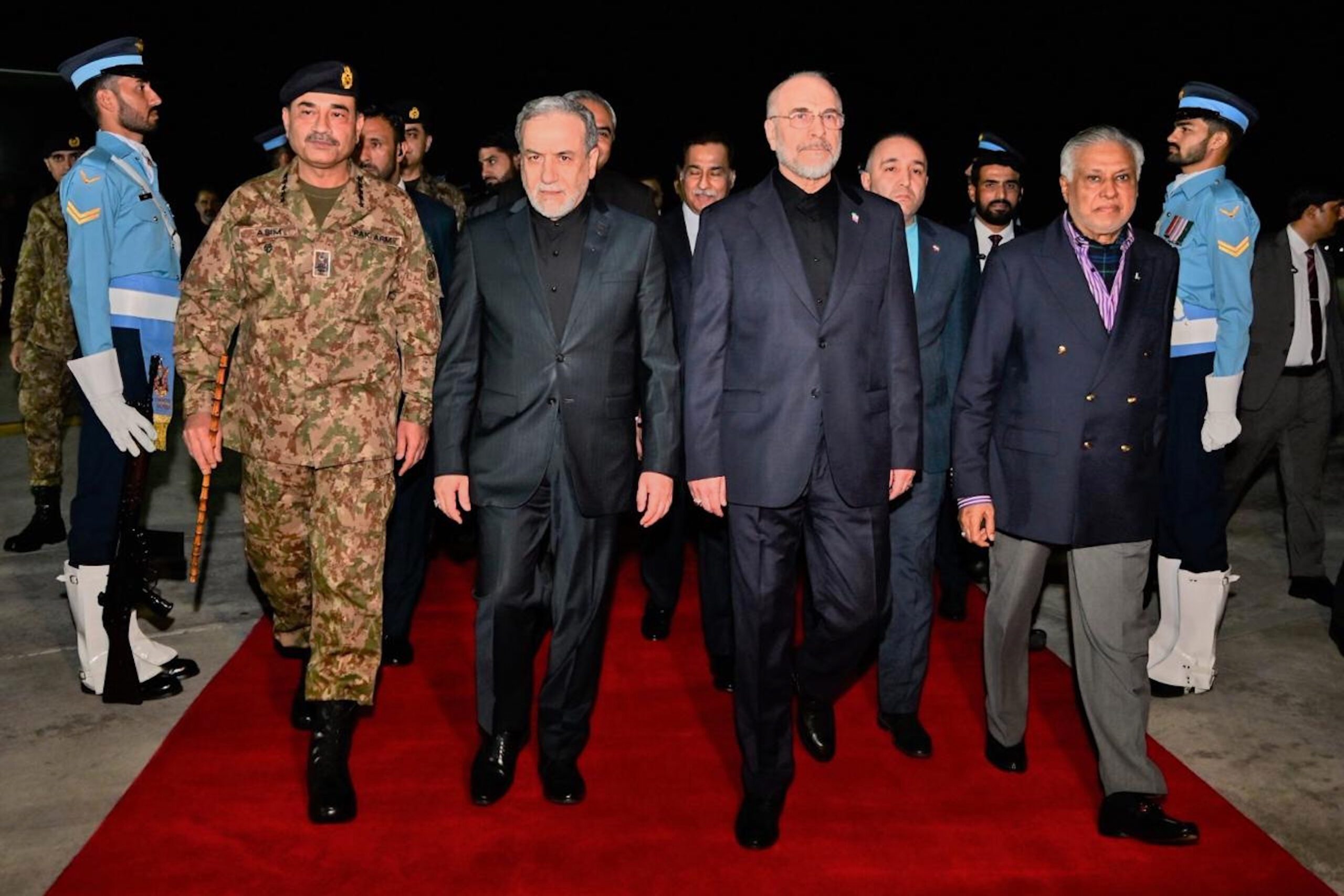
On April 21, AGSI hosted a discussion on the evolution of Iran's leadership during the war.
Speakers

Mar 18, 2026
In Its Conflict With the United States and Israel, Does Escalation Favor Iran?
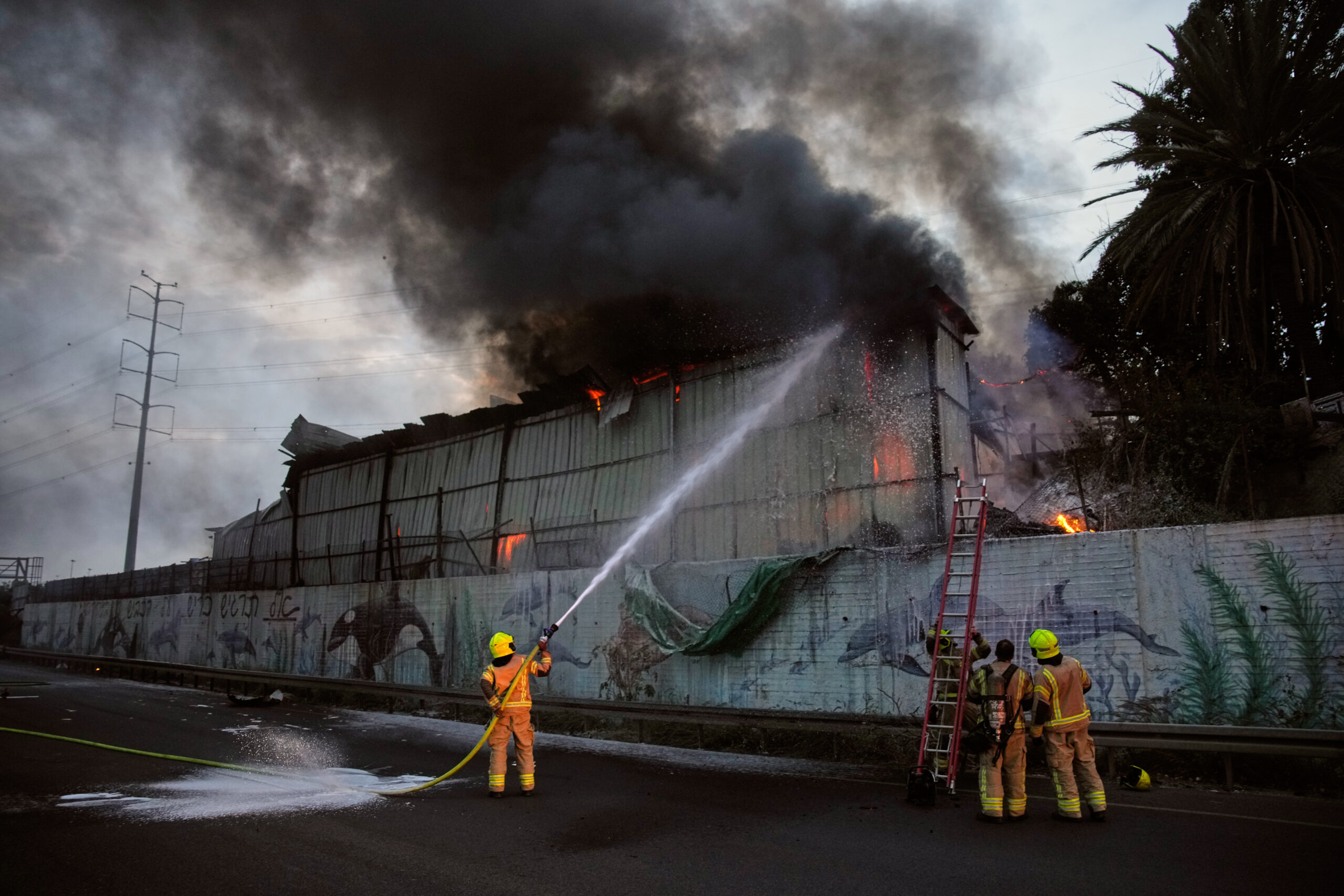
On March 18, AGSI hosted a discussion on the escalation of the Iran war.
Speakers


Mar 2, 2026
After the Shock: Implications of the U.S.–Israeli Strikes and Iran’s Leadership Transition
On March 2, AGSI hosted a discussion on the U.S.-Israeli strikes on Iran.
Speakers