Sep 26, 2023
Sabotage or Policy Shift? Kayhan Editor Questions Bahrain’s Sovereignty, Derides GCC Rulers as “Stooges,” “Bandits,” and “Pirates”
The September 26 edition of the Iran Media Review examines recent caustic remarks targeting Iran’s Arab neighbors.

Following a period of relative calm in the Islamic Republic of Iran’s propaganda warfare against Gulf Cooperation Council states, Kayhan editor Hossein Shariatmadari uses a Persian nationalist diatribe to deride Iran’s Arab neighbors. Shariatmadari’s editorial appeared in the wake of the September 16 signing of the Bahrain-U.S. security pact in Washington and the September 18 GCC meeting with Secretary of State Antony Blinken on the margins of the United Nations General Assembly. In 2007, Shariatmadari authored an editorial with similar substance, which led to a diplomatic crisis between Iran and Bahrain. This editorial too can potentially harm Tehran’s recent diplomatic advances with the GCC states. It is yet not known if Shariatmadari’s recent editorial is a rogue act of sabotage or marks a radical shift in the regime’s policy.
- September 25: Shaiatmadari, editor of Kayhan, which at times is perceived as a mouthpiece for Supreme Leader Ayatollah Ali Khamenei, commenting on the September 18 Ministerial Meeting of the United States and the Gulf Cooperation Council, wrote:
- “On the sides of the United Nations General Assembly, the U.S. Secretary of State,” participating at the GCC ministerial meeting, “has issued a joint statement in which they once again insisted on the Emirates’ claim on Iran’s three islands. Previously, we wrote about Iranian sovereignty over the islands,” referencing Shariatmadari’s highly controversial July 9, 2007 editorial in which he claimed “the main demand of the people of Bahrain is the return of this province, which was severed from Iran, back to its original and maternal land, meaning Islamic Iran.”
- Shariatmadari continued in his September 19 editorial: “In ancient history, 500 years BCE, southern parts of the Persian Gulf, which encompasses all seven countries that today form the Persian Gulf Cooperation Council, were part of Iranian territory and under the rule of Achaemenid kings. It was the Achaemenids who taught harvesting of the land and agriculture to the local population in that area … Among these states, apart from Oman, which has been a kingdom since the 17th century, and Saudi Arabia, which, although founded in 1932, can be said to have a several-hundred-year history of government, the history of the rest is shorter than a century. In particular Bahrain, which is a totally different story, has been a part of Iranian territory since antiquity but was severed from Iran 50 years ago, through an illegal deal between the late shah and the governments of the United States and Iran. Today, the main demand of the people of Bahrain is the return of this severed province of our country to its original and maternal land, meaning Islamic Iran.” At the time Bahrain formally seceded from Iran, Shariatmadari wrote, “No referendum took place among the people of Bahrain, since it was not the people of Bahrain who participated. Instead of the people, some non-Bahraini tribes voted in favor of secession of Bahrain from Iran. Among these tribes was the Khalifa tribe, meaning the lackeys,” of foreign powers “currently ruling Bahrain – people who until then were bandits in the deserts of Najd. Even today, the people of Bahrain have never abandoned the Persian language and demand unification of Bahrain with its original land, meaning Iran. Since the Islamic Revolution, this demand has been pursued more energetically. Naturally, the inalienable rights of Iran and of the people of the severed province of Bahrain cannot be ignored.”
- Turning to the United Arab Emirates, Shariatmadari wrote: “According to historical documents … the southern part of the Persian Gulf has been known as the ‘Pirates Coast’ … After the East India Company’s attack, the area today known as the United Arab Emirates changed its name into the ‘Trucial Coast’”!
- “Without the slightest doubt, the UAE and other members of the Persian Gulf Cooperation Council clearly know their claim is unfounded. They also know well that vast parts of the lands under their rule today, in particular Bahrain and the seven emirates forming the UAE, meaning Abu Dhabi, Ajman, Dubai, Fujairah, Ras Al-Khaimah, Sharjah, and Umm al-Quwain, were part of Iran under the Achaemenid and Sasanian dynasties. So, the question is, what is the source of their unfounded claims? Looking at existing evidence, we must look into two distinct explanations, which are not totally unrelated. First, the vengeance and deep animosity of arrogant powers toward the Islamic Revolution … The second reason … is the awakening of Muslim nations in the wake of the Islamic Revolution.”
- The editorial concluded: “According to the 2020 census, the UAE population reached 9.9 million, only 4.1 of whom are indigenous, and 5.8 million are migrants from other nations. The indigenous population of the UAE is increasingly protesting the presence of foreigners, in particular Americans, the Europeans, and the Zionists, who are plundering the wealth of this emirate. Collaboration of Emirati authorities with the well-known enemies of Islam has intensified such protests. The UAE’s participation in the war in Yemen and crimes committed against the innocent people of Yemen, in their alliance with the Saudis, along with their close relations with the Zionist regime, have provoked popular discontent against the stooges ruling the emirate. The indigenous population speaks of the Islamic Republic of Iran as their role model. This is why member states of the Persian Gulf Cooperation Council are engaged in futile exercises against Islamic Iran!”
The views represented herein are the author's or speaker's own and do not necessarily reflect the views of AGSI, its staff, or its board of directors.
Related
Iran Media Review
Sep 22, 2023
IRGC Mouthpiece: Iran “Increased Oil Exports Despite Sanctions”
The September 22 edition of the Iran Media Review highlights triumphant commentary about the resilience of Iran’s oil industry.
Iran Media Review
Sep 19, 2023
IRGC Ratchets Up Threats Against Iraq-Based Kurdish Separatists
The September 19 edition of the Iran Media Review examines the Islamic Revolutionary Guard Corps’ threats to strike Kurdish separatists based in Iraq.
Sep 22, 2023
IRGC Mouthpiece: Iran “Increased Oil Exports Despite Sanctions”
The September 22 edition of the Iran Media Review highlights triumphant commentary about the resilience of Iran’s oil industry.
Sep 19, 2023
IRGC Ratchets Up Threats Against Iraq-Based Kurdish Separatists
The September 19 edition of the Iran Media Review examines the Islamic Revolutionary Guard Corps’ threats to strike Kurdish separatists based in Iraq.
Analysis
The Islamic Republic Returns to Offense
After U.S.-Israeli strikes killed Supreme Leader Ayatollah Ali Khamenei on February 28, Iran’s collective leadership has concluded that the best defense is a good offense.
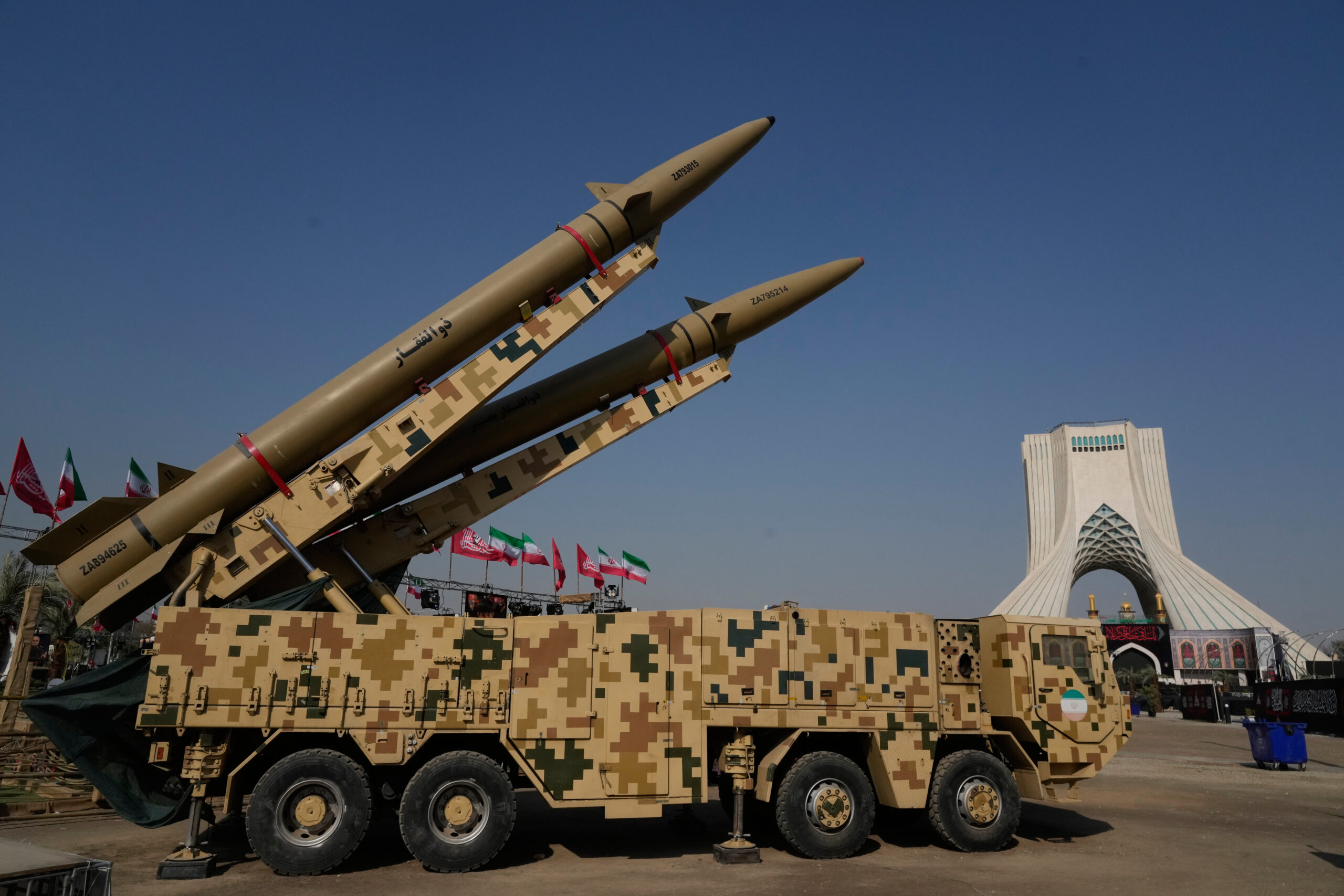
Iran’s Collective Strategic Decision Making
Wartime pressure has temporarily aligned the leadership’s overriding interest in regime survival, even as its members continue to differ over the costs, methods, and ultimate objectives of the war.
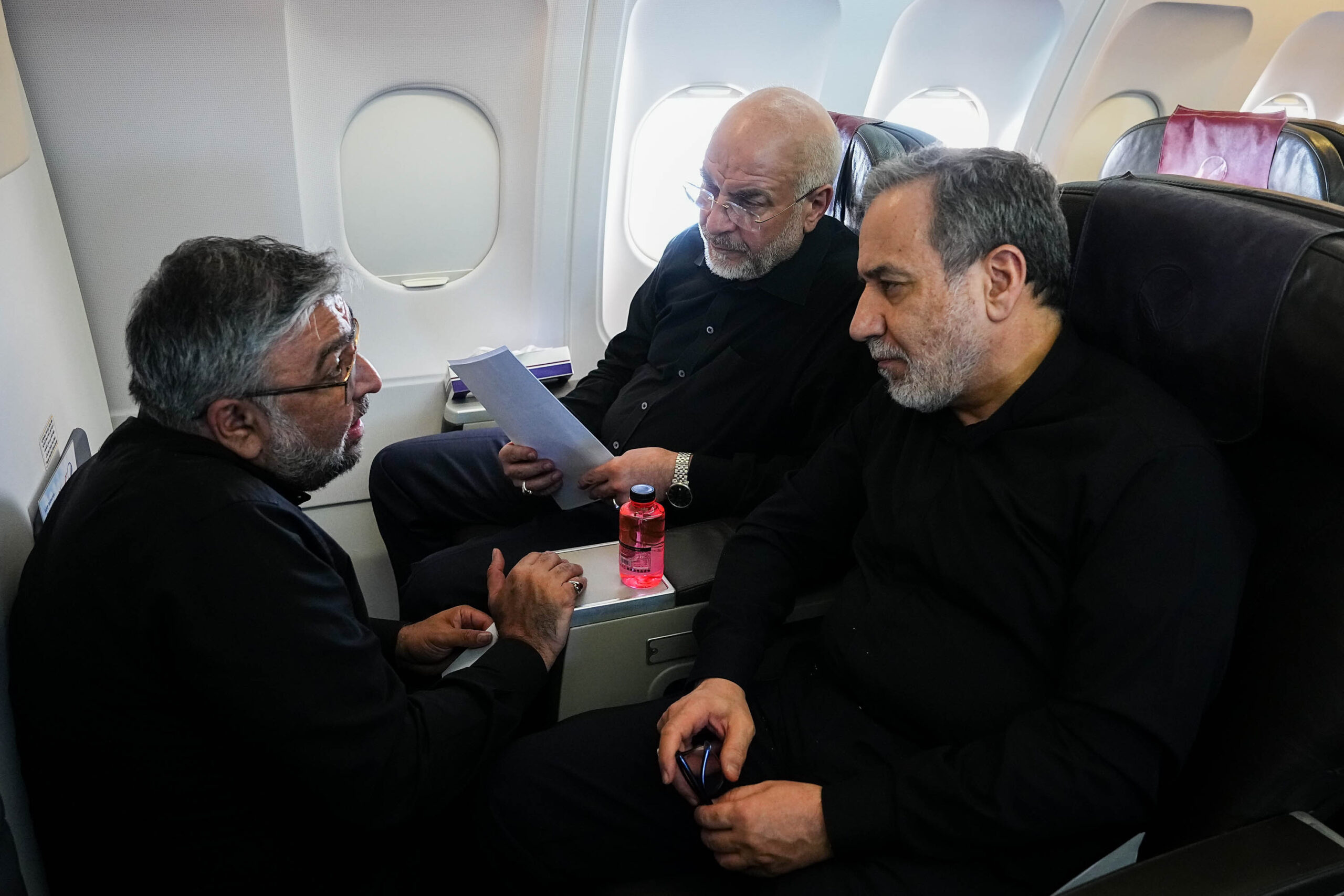
The Islamic Republic’s Collective Leadership
While there is historical precedent for collective leadership in Iran, today’s leadership includes representatives of the IRGC and regular military – a reflection of the IRGC’s expanding role and the necessities of governing under wartime conditions.
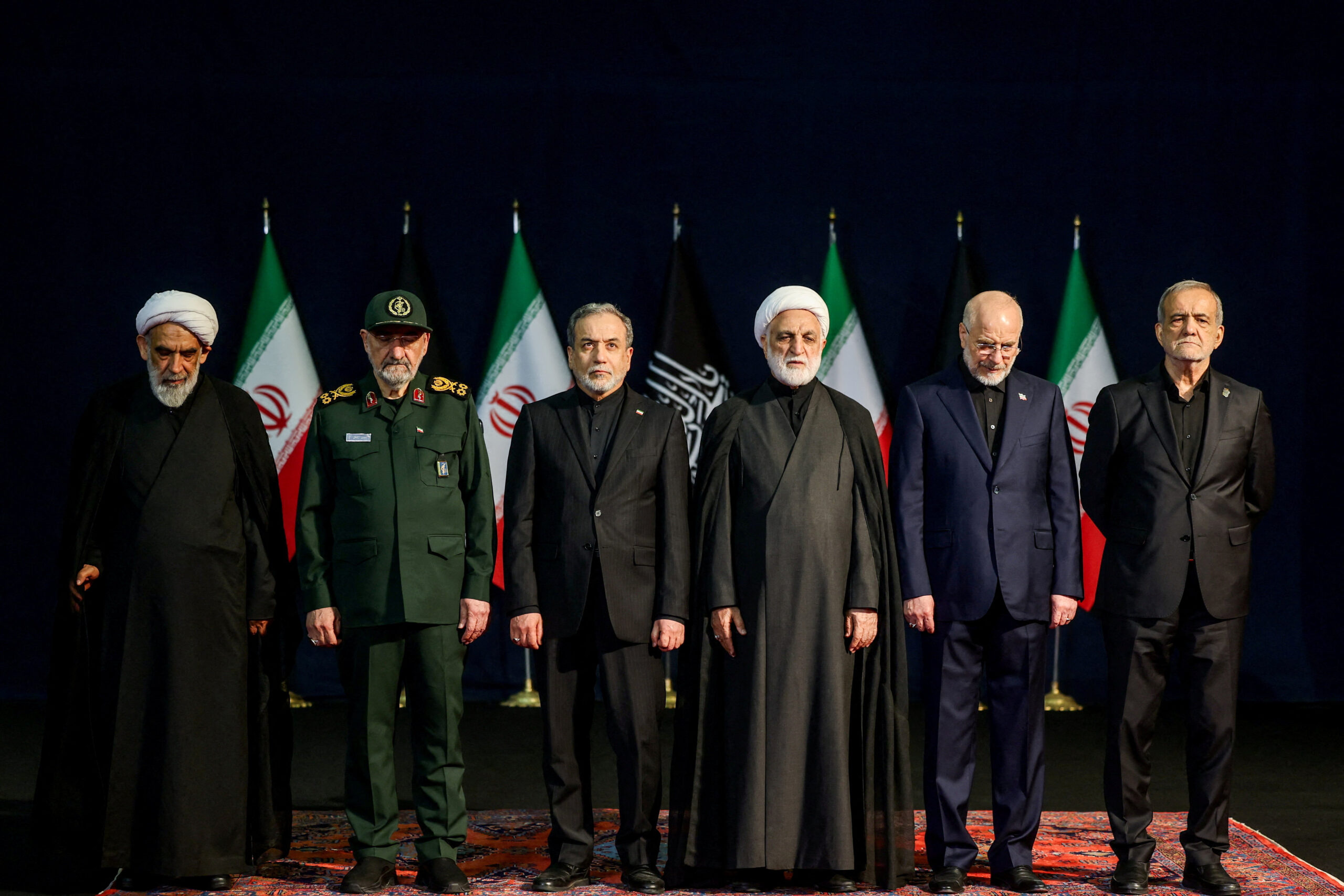
How Did the IRGC Seize Power in Iran?
The IRGC did not seize power in a single stroke. It accumulated it – patiently, methodically – until no counterweight remained.
Events
Oct 6, 2026
10:00am - 11:00am
Is the U.S.-Iran Stalemate a “New Normal” or the Prelude to Another Explosion?
On October 6, AGSI will host a discussion on the U.S.-Iran stalemate and the prospects for a cease-fire.
Speakers



Book Talk: Iran and the Bomb: The United States, Iran and the Nuclear Question
On June 16, AGSI hosted a discussion on the evolution of Iran's nuclear program.
Speakers
Apr 21, 2026
Inside Iran’s Wartime Leadership: Power, Succession, and Regime Stability
On April 21, AGSI hosted a discussion on the evolution of Iran's leadership during the war.
Speakers

Mar 18, 2026
In Its Conflict With the United States and Israel, Does Escalation Favor Iran?
On March 18, AGSI hosted a discussion on the escalation of the Iran war.
Speakers