Jan 31, 2023
Javan Newspaper: “Why is the Opposition Incapable of Finding a Leader?”
The January 31 edition of the Iran Media Review assesses IRGC commentary on the shortcomings of leadership candidates for the opposition.

“Why is the opposition incapable of finding a leader,” columnist Ali Alavi rhetorically asked in Javan newspaper, a mouthpiece of the Islamic Revolutionary Guard Corps, and found the answer in the opposition’s “lack of ideology and strategy.” The opposition to the Islamic Republic indeed lacks leadership, organization, funding, and a shared vision for post-Islamic Republic Iran. Revolutions, however, give birth to their leaders. Rather than the self-declared or assumed leadership candidates, whose shortcomings Alavi derides in the article, the IRGC ought to be concerned about Iran’s teenage revolutionaries, whose political views were shaped by street protests.
- January 27: “Why is the opposition incapable of finding a leader …? Take Hamed Esmaeilion, whose identity and advantage are based on losing his family in the Ukrainian flight incident,” he wrote, referencing Ukraine International Airlines Flight 752, which was shot down by the IRGC on January 8, 2020 shortly after takeoff killing 176 passengers and crew members on board. “When Iran International TV asked him about returning to Iran to lead the movement, he was confused … and passively said ‘I’m not crazy to return to Iran,’ yet added: ‘Perhaps I will scream all the way from Azadi Square to Enqelab Square.’” Alavi also dismissed the viability of an opposition leadership council composed of the former crown prince of Iran, Reza Pahlavi, activist Masih Alinejad, actor Golshifteh Farahani, soccer star Ali Karimi, and others, and questioned the ability of Pahlavi to lead the opposition. Alavi concluded: “This nation changed after the mayhem of the autumn, when the foreign plots against it became clearer.”
The views represented herein are the author's or speaker's own and do not necessarily reflect the views of AGSI, its staff, or its board of directors.
Related
Iran Media Review
Jan 27, 2023
Media Reflections on the “Women of Influence Congress” in Iran
On January 20, Tehran hosted the first “International Congress for Women of Influence” honoring women from 28 countries. Following several days of media speculation about the participants and purpose of the event, there appears to be greater clarity, and harsher criticism, as expressed by reformist political activist Abbas Abdi in Etemad newspaper: “Many of the...
Iran Media Review
Jan 24, 2023
Neglected, Poor, and Protesting: Iran’s Sistan and Baluchistan Province
The wave of popular protests that has swept over Iran since September 2022 has claimed the lives of 592 protesters and 73 members of different branches of the armed forces. With 131 protesters and 21 government personnel fatalities, the protests have been particularly violent in Sistan and Baluchistan province, which is populated by Iran’s predominantly...
Jan 27, 2023
Media Reflections on the “Women of Influence Congress” in Iran
On January 20, Tehran hosted the first “International Congress for Women of Influence” honoring women from 28 countries. Following several days of media speculation about the participants and purpose of the event, there appears to be greater clarity, and harsher criticism, as expressed by reformist political activist Abbas Abdi in Etemad newspaper: “Many of the...
Jan 24, 2023
Neglected, Poor, and Protesting: Iran’s Sistan and Baluchistan Province
The wave of popular protests that has swept over Iran since September 2022 has claimed the lives of 592 protesters and 73 members of different branches of the armed forces. With 131 protesters and 21 government personnel fatalities, the protests have been particularly violent in Sistan and Baluchistan province, which is populated by Iran’s predominantly...
Analysis
The Islamic Republic Returns to Offense
After U.S.-Israeli strikes killed Supreme Leader Ayatollah Ali Khamenei on February 28, Iran’s collective leadership has concluded that the best defense is a good offense.
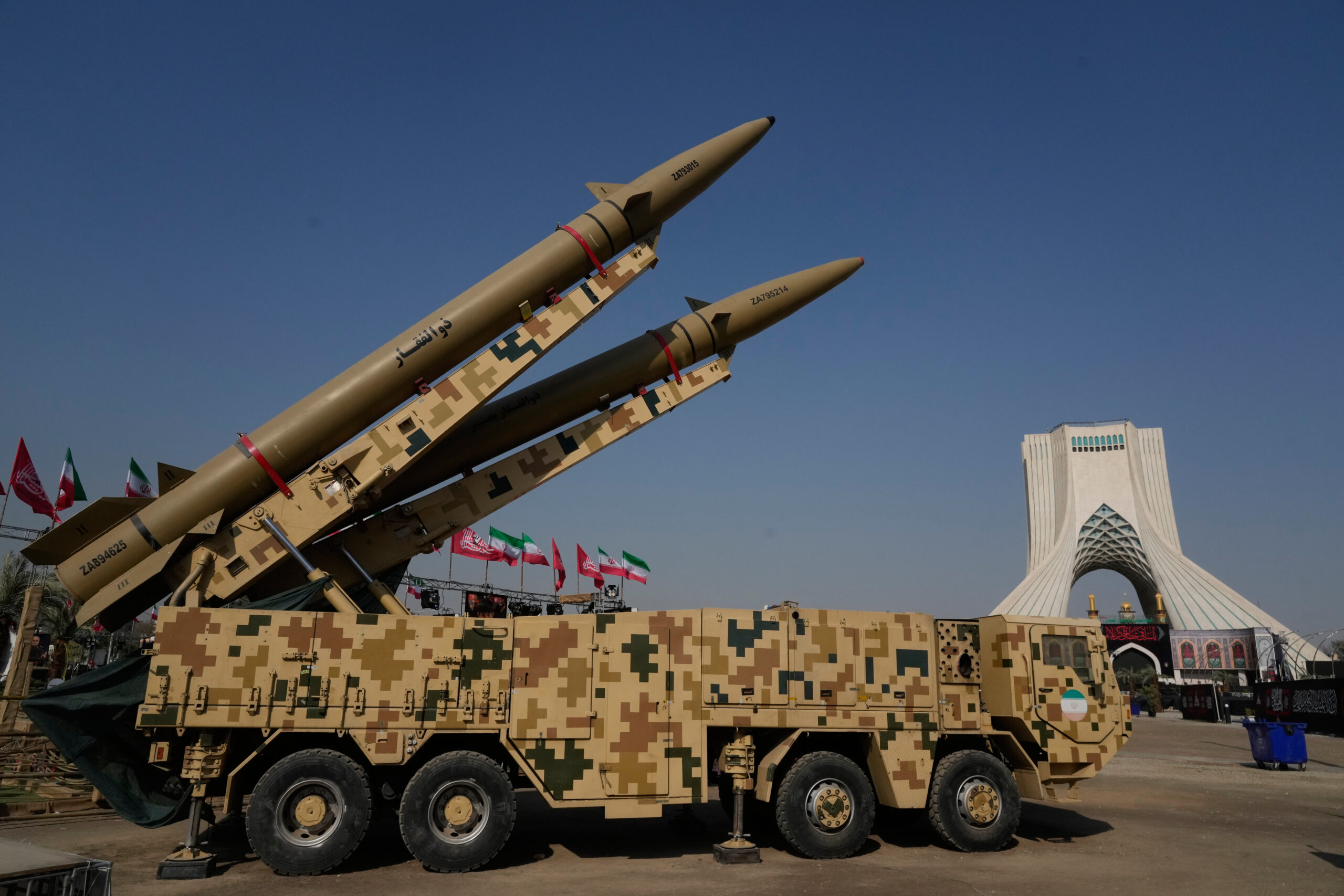
Iran’s Collective Strategic Decision Making
Wartime pressure has temporarily aligned the leadership’s overriding interest in regime survival, even as its members continue to differ over the costs, methods, and ultimate objectives of the war.
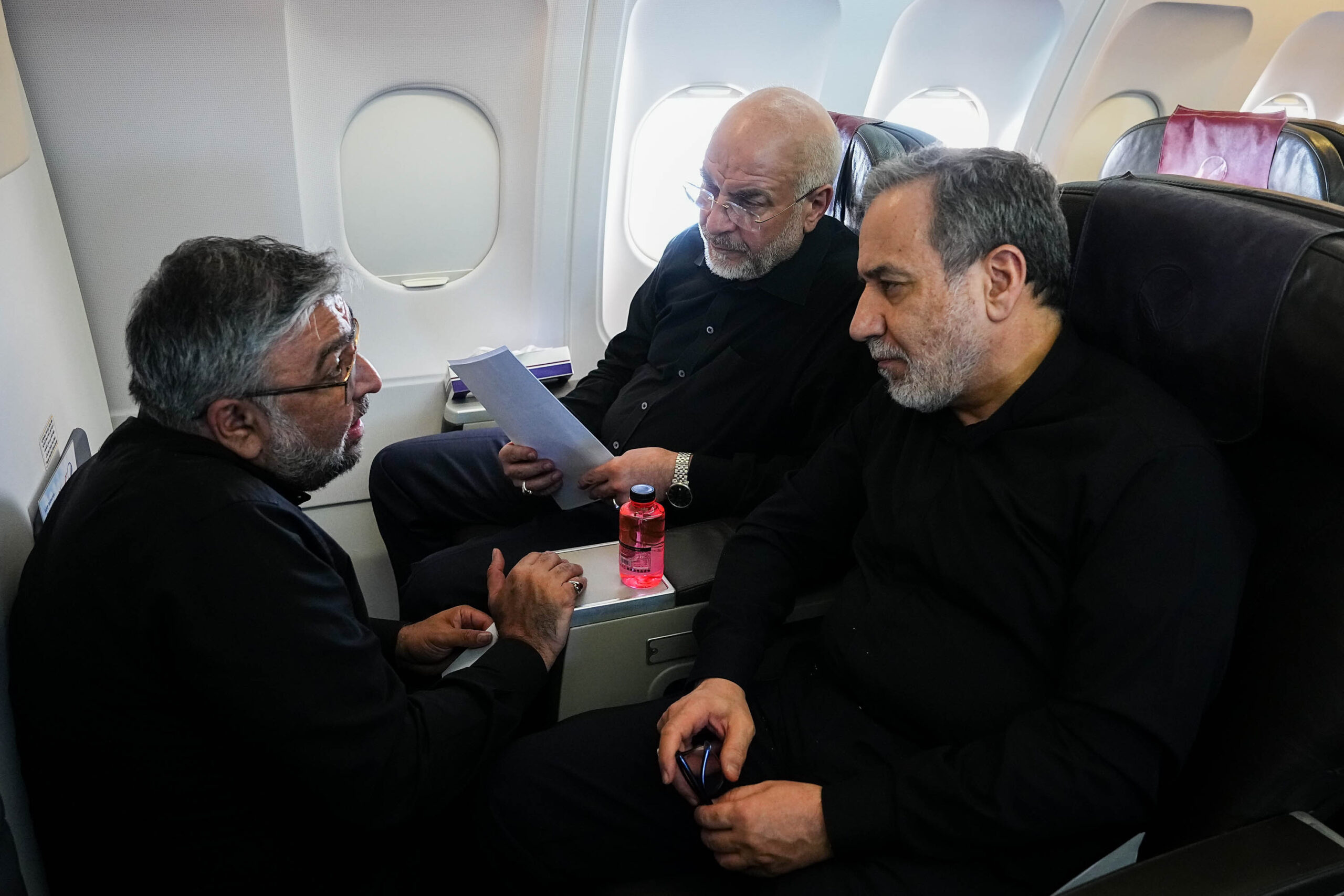
The Islamic Republic’s Collective Leadership
While there is historical precedent for collective leadership in Iran, today’s leadership includes representatives of the IRGC and regular military – a reflection of the IRGC’s expanding role and the necessities of governing under wartime conditions.
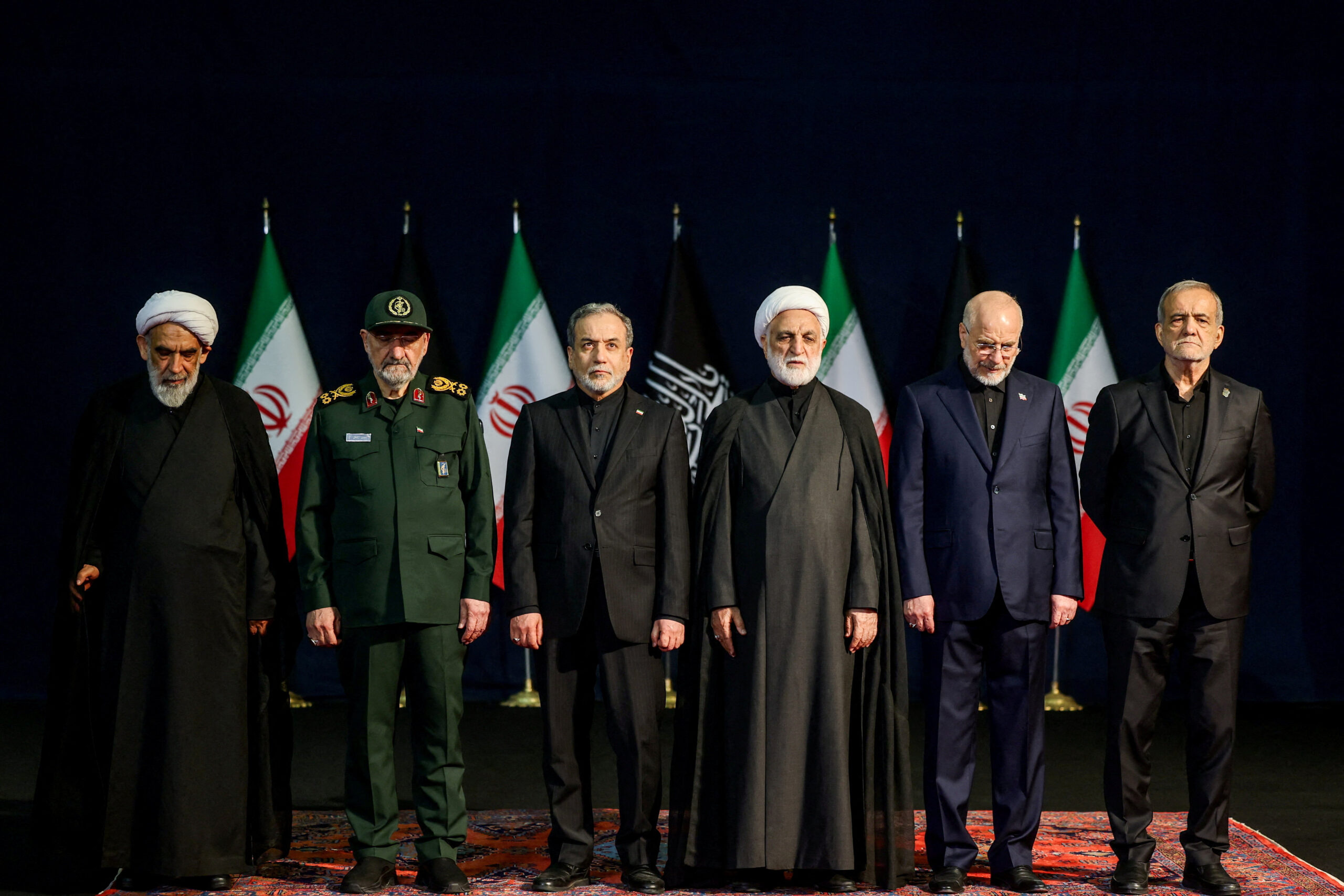
How Did the IRGC Seize Power in Iran?
The IRGC did not seize power in a single stroke. It accumulated it – patiently, methodically – until no counterweight remained.
Events
Oct 6, 2026
10:00am - 11:00am
Is the U.S.-Iran Stalemate a “New Normal” or the Prelude to Another Explosion?
On October 6, AGSI will host a discussion on the U.S.-Iran stalemate and the prospects for a cease-fire.
Speakers



Book Talk: Iran and the Bomb: The United States, Iran and the Nuclear Question
On June 16, AGSI hosted a discussion on the evolution of Iran's nuclear program.
Speakers
Apr 21, 2026
Inside Iran’s Wartime Leadership: Power, Succession, and Regime Stability
On April 21, AGSI hosted a discussion on the evolution of Iran's leadership during the war.
Speakers

Mar 18, 2026
In Its Conflict With the United States and Israel, Does Escalation Favor Iran?
On March 18, AGSI hosted a discussion on the escalation of the Iran war.
Speakers