"*" indicates required fields

This field is for validation purposes and should be left unchanged.

Subscribe

By subscribing you agree to our Privacy Policy

Subscription Settings
Analysis

The Time Bomb of Iran’s Teenage Rebellion

The October 11 edition of the Iran Media Review examines teenage participation in Iran’s ongoing protests.

Ali Alfoneh

3 min read

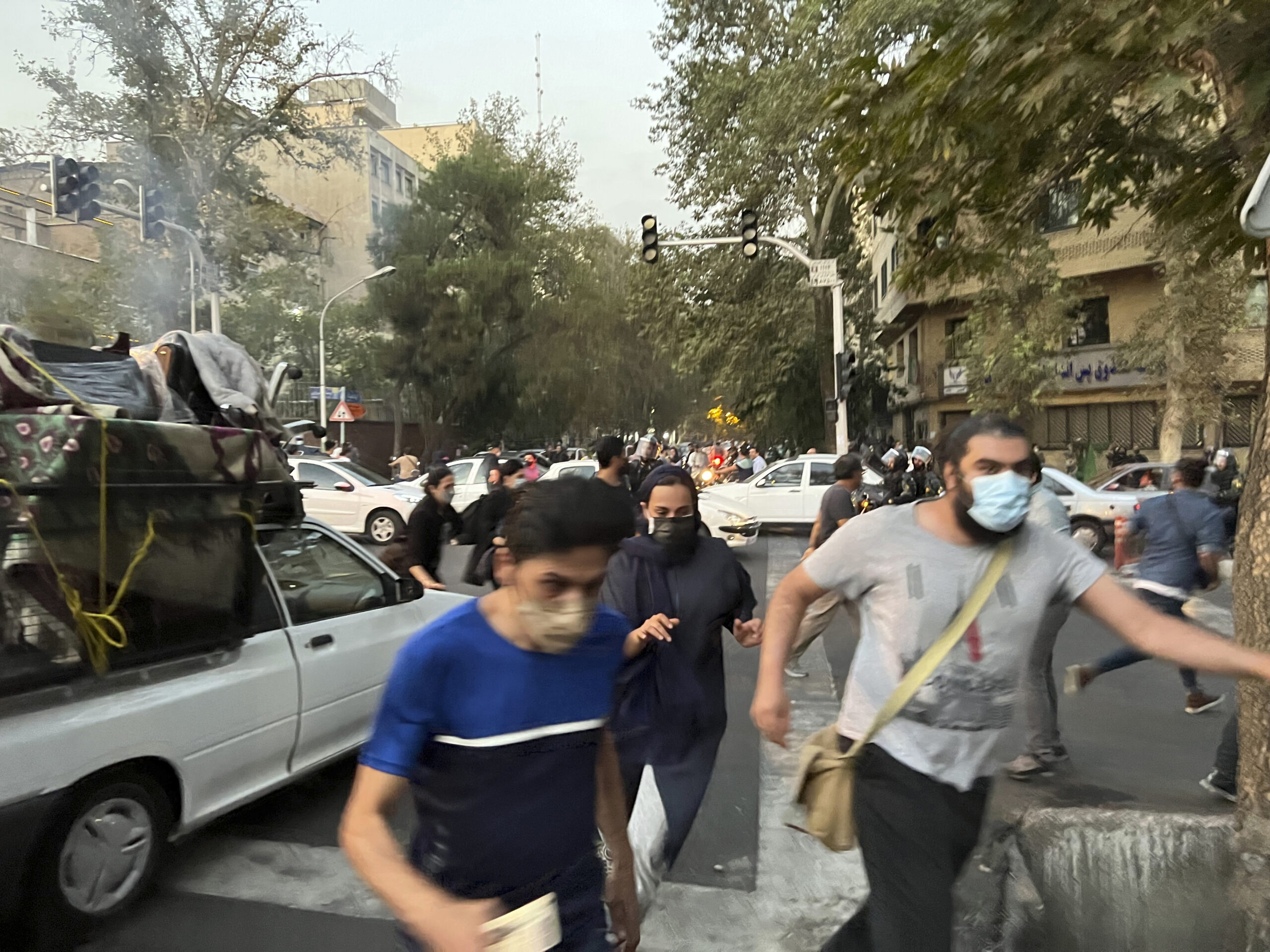
The protests in Iran are increasingly taking the shape of a teenage rebellion. So much is clear from photos and video footage of teenagers engaged in school and street protests. Now, the general impression is backed up by official statistics: According to the Islamic Revolutionary Guard Corps, the average age of incarcerated protesters is just 15, as opposed to 25 during the 2018 protests against the rising price of fuel, as reported by the Interior Ministry. The regime’s security services may find it easier to suppress teenagers and perhaps even consider themselves fortunate that older age groups are not joining the protests. However, Iran’s teenagers – for whom street protest is the sole means of demanding rights – constitute a time bomb for the Islamic Republic.

  • January 3, 2018: The Iranian Students’ News Agency, quoting the Interior Ministry, reported the average age of protesters arrested during the protests against the rising price of fuel was 25.
  • October 5, 2022: Brigadier General Ali Fadavi, second in command of the IRGC, was quoted by Asr-e Iran as saying: “The average age of the arrested individuals is 15 … Shortcomings in education, culture, indoctrination, and propaganda made this group an easy target for enemies in cyberspace … In their confessions, most arrested youngsters use keywords such as the similarities between street protests and video games, along with extreme addiction to the internet. The enemy has managed to utilize satellite television broadcasts and the internet in order to mislead them.”
  • October 6, 2022: Hajar Chenarani, a member of the parliament, quoted by Asr-e Iran, said “most people arrested in the course of recent events are between 14 and 18 years old.” Chenarani also emphasized the role of foreign media broadcasts: “For certain reasons, our national media is not trusted by the youth or lower age groups. We must do our utmost to rebuild the trust.”

The views represented herein are the author's or speaker's own and do not necessarily reflect the views of AGSI, its staff, or its board of directors.

Ali Alfoneh

Senior Fellow, AGSI

Analysis

The Committee of Six and Strategic Decision Making in Iran

Remarks by Iran’s president offer a rare glimpse of how the Islamic Republic has adapted its decision making to the absence of its supreme leader.

Ali Alfoneh

6 min read

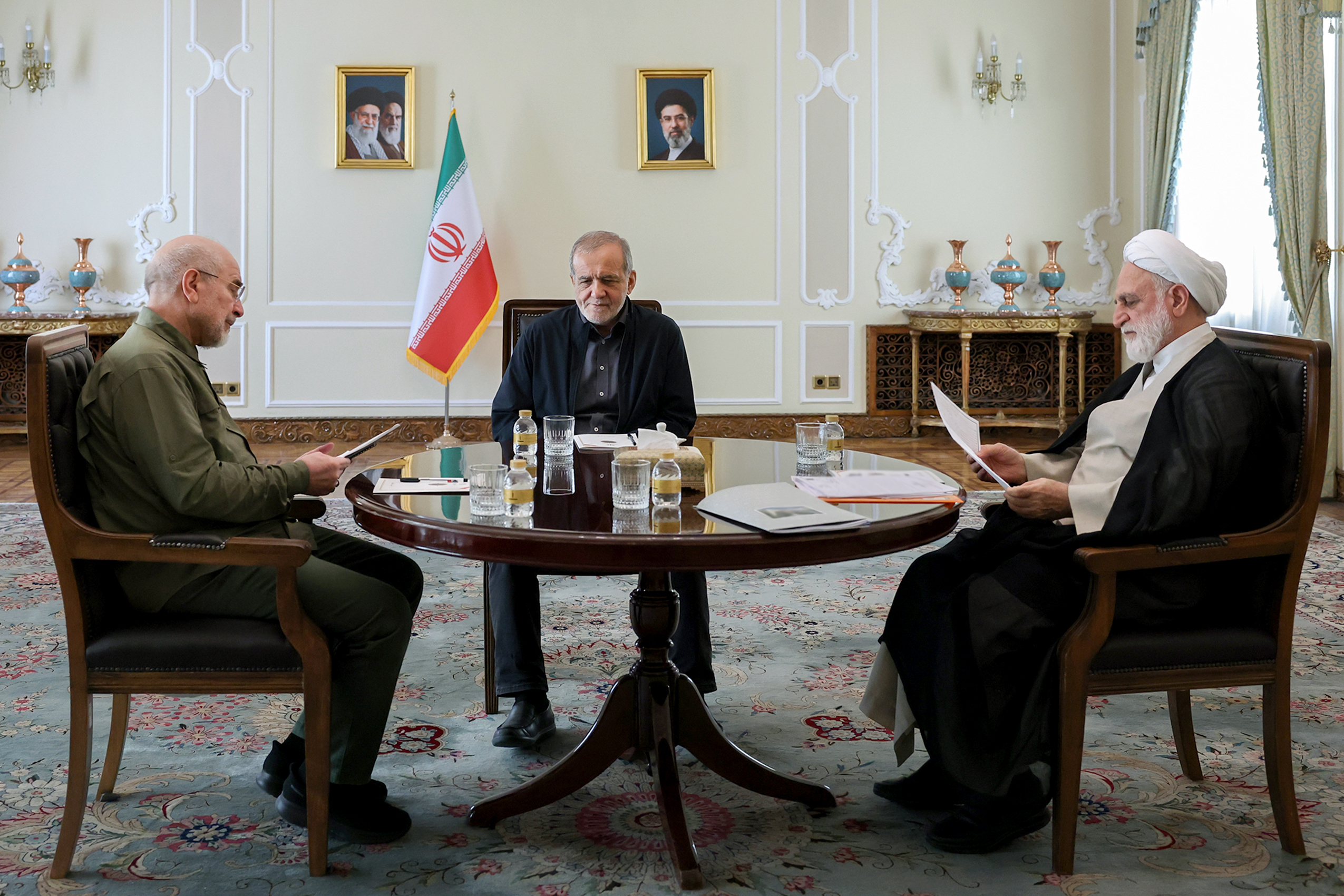
Iranian Parliamentary Speaker Mohammad-Bagher Qalibaf, left, President Masoud Pezeshkian, center, and Judiciary Chief Gholam-Hossein Mohseni Ejei sit around a table during a meeting at the presidential office in Tehran, Iran, October 4. (© Iranian Presidency via ZUMA Press)

Mohsen Rezaei at the Helm of Iran’s Supreme National Security Council

Under Rezaei, the SNSC could prove constructive or paralyze strategic decision making.

Ali Alfoneh

8 min read

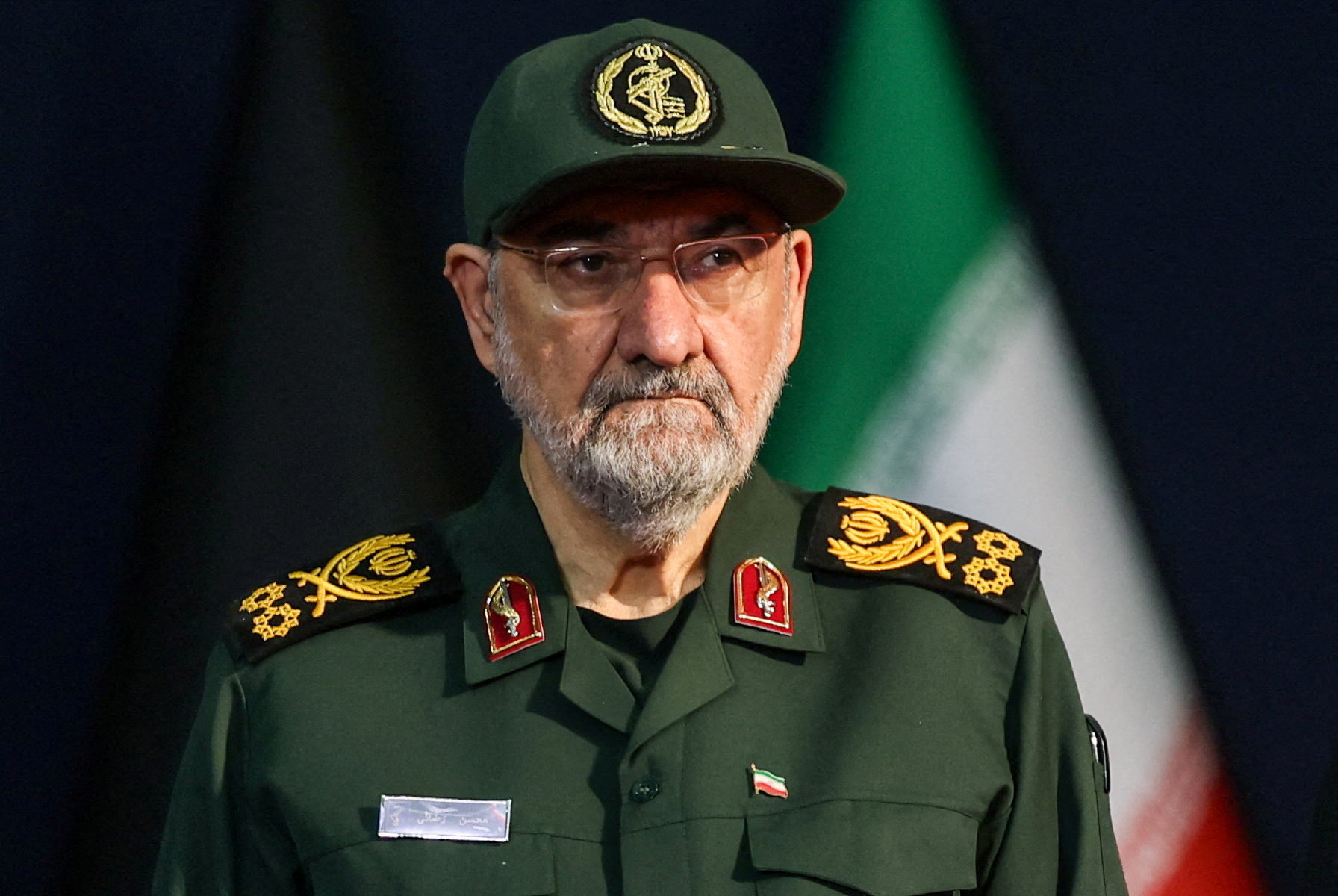
Then-advisor to Iran's supreme leader, Mohsen Rezaei attends a farewell ceremony for late-Supreme Leader Ayatollah Ali Khamenei at the Imam Khomeini Grand Mosalla in Tehran, Iran, July 3. (REUTERS/Mohammed Salem)

The Islamic Republic Returns to Offense

After U.S.-Israeli strikes killed Supreme Leader Ayatollah Ali Khamenei on February 28, Iran’s collective leadership has concluded that the best defense is a good offense.

Ali Alfoneh

12 min read

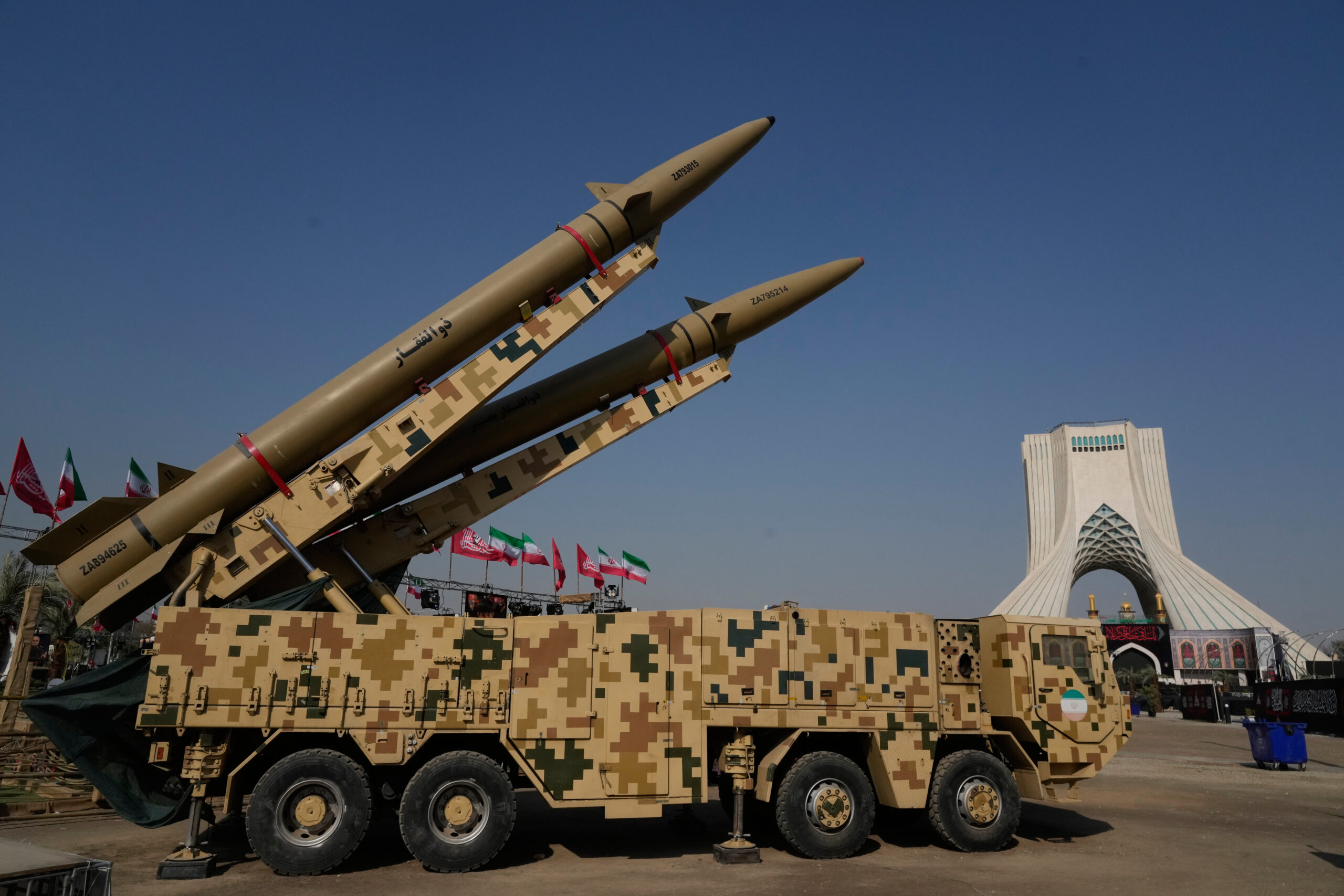
Iranian Zolfaghar missiles are displayed by the armed forces in a temporary exhibition in front of the Azadi monument in Tehran, Iran, July 29. (AP Photo/Vahid Salemi)

Iran’s Collective Strategic Decision Making

Wartime pressure has temporarily aligned the leadership’s overriding interest in regime survival, even as its members continue to differ over the costs, methods, and ultimate objectives of the war.
Ali Alfoneh

9 min read

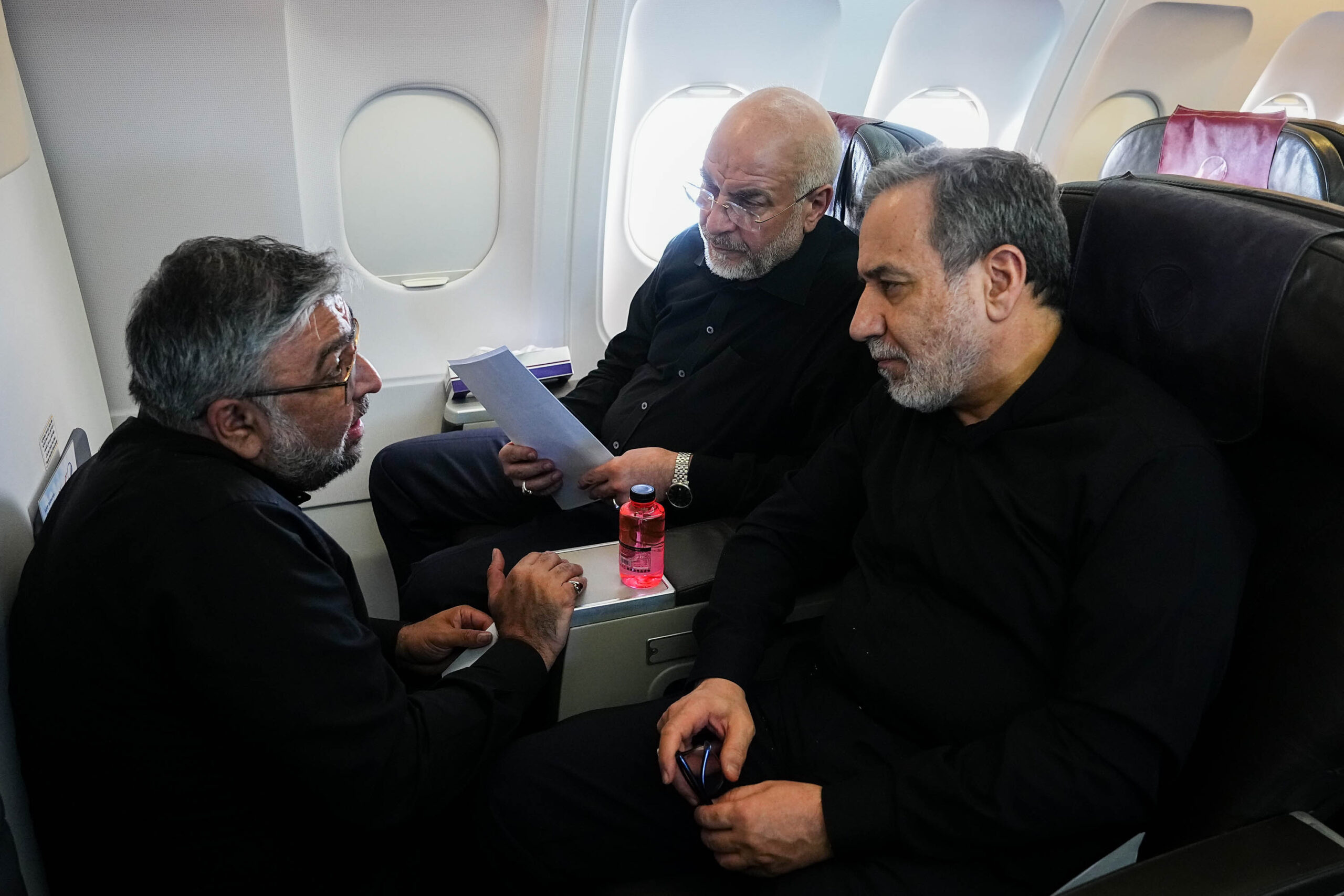
Iran's parliamentary speaker and top negotiator, Mohammad-Bagher Qalibaf, and foreign minister, Abbas Araghchi, listen to Abolfazl Amouei, Qalibaf's international affairs assistant, during a flight to Switzerland, June 21. (Hamed Malekpour/ICANA via AP)
View All

Events

Oct 6, 2026

Is the U.S.-Iran Stalemate a “New Normal” or the Prelude to Another Explosion?

On October 6, AGSI hosted a discussion on the U.S.-Iran stalemate and the prospects for a cease-fire.

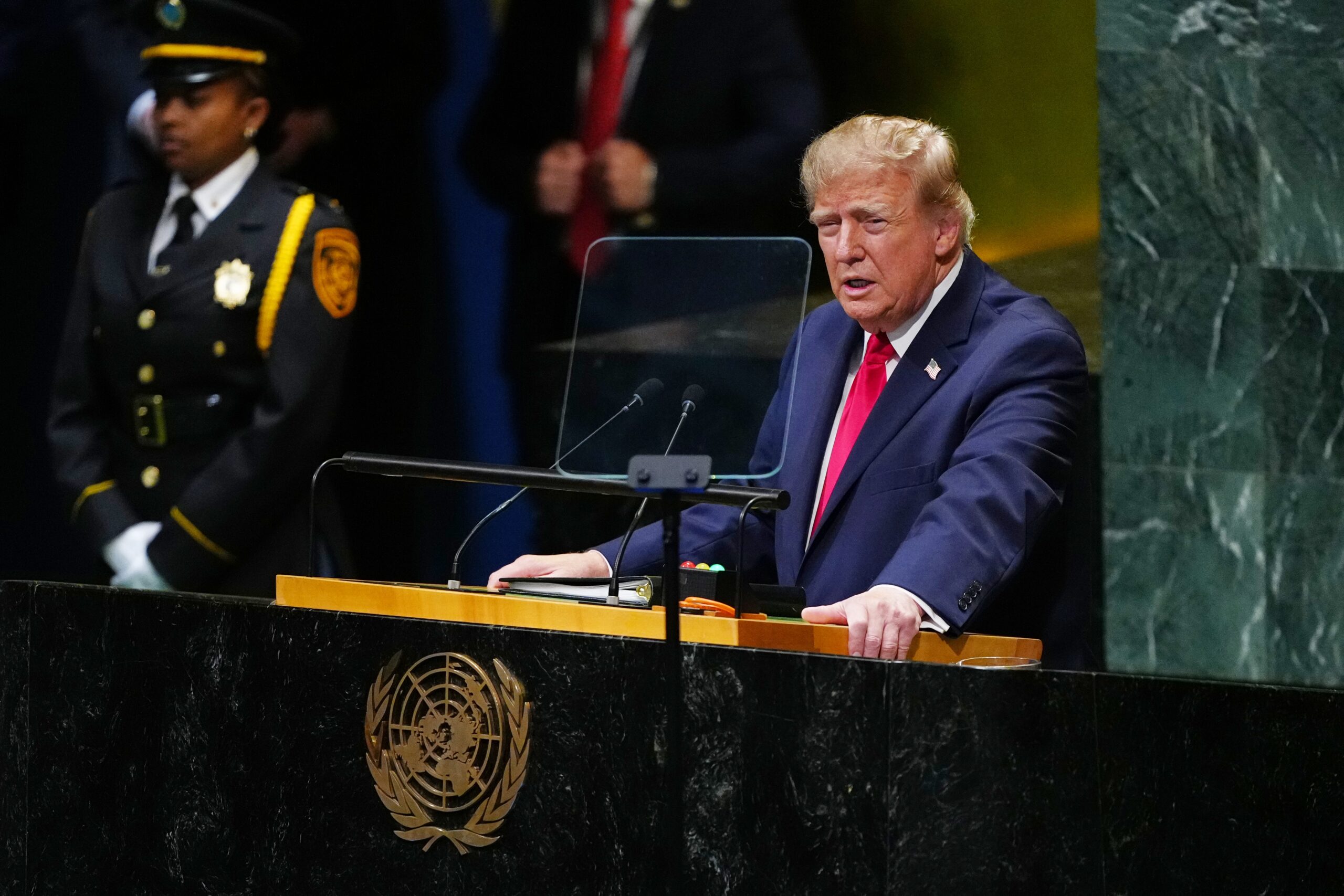
President Donald J. Trump speaks to the United Nations General Assembly, Sept. 22, 2026, at the UN headquarters. (AP Photo/Julia Demaree Nikhinson)
President Donald J. Trump speaks to the United Nations General Assembly, Sept. 22, at the U.N. headquarters. (AP Photo/Julia Demaree Nikhinson)

Jun 16, 2026

Book Talk: Iran and the Bomb: The United States, Iran and the Nuclear Question

On June 16, AGSI hosted a discussion on the evolution of Iran's nuclear program.

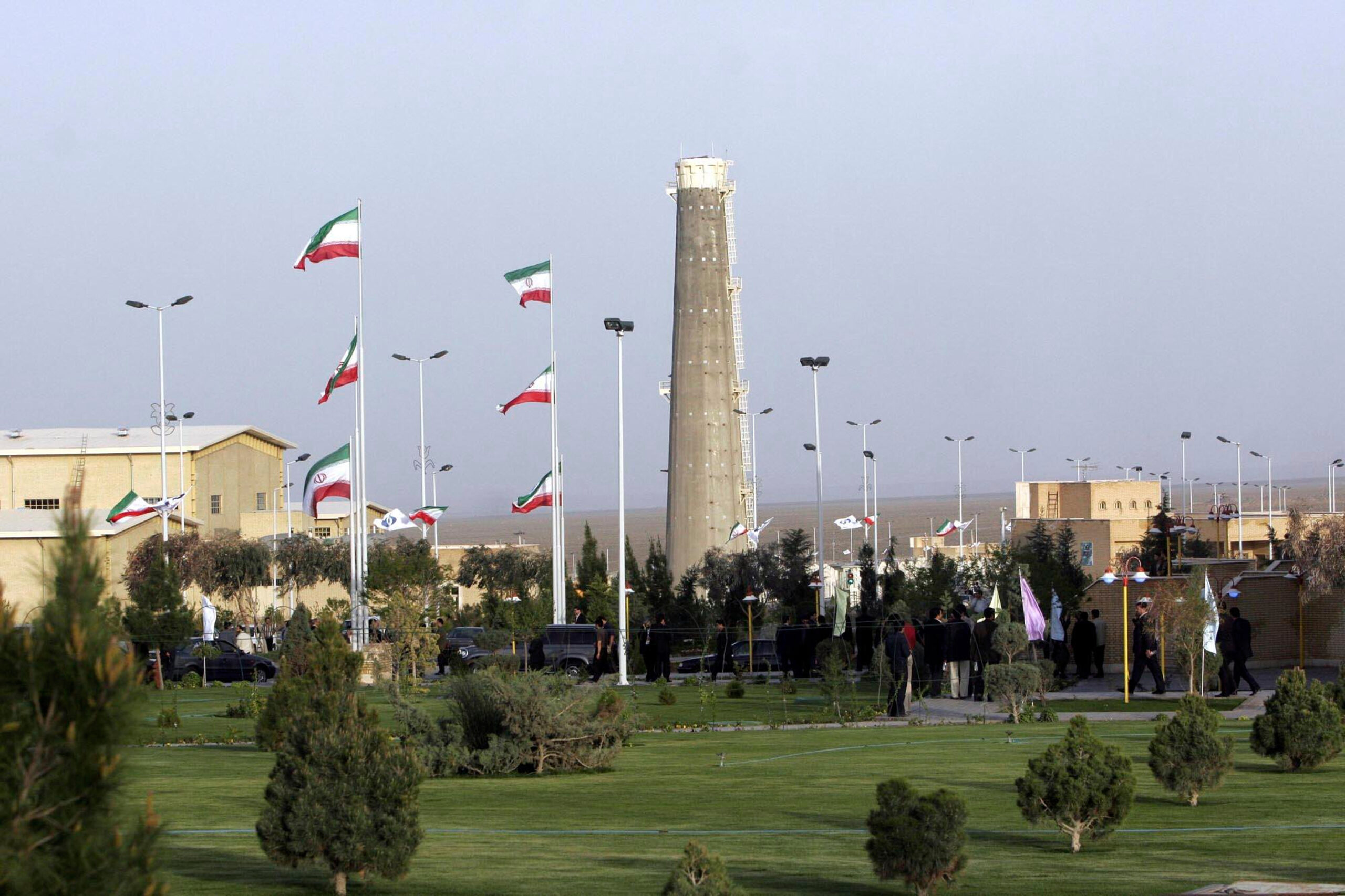
A view of Iran's nuclear enrichment facility in Natanz, Iran, on April, 9, 2007. (AP Photo/Hasan Sarbakhshian, File)

Apr 21, 2026

Inside Iran’s Wartime Leadership: Power, Succession, and Regime Stability

On April 21, AGSI hosted a discussion on the evolution of Iran's leadership during the war.

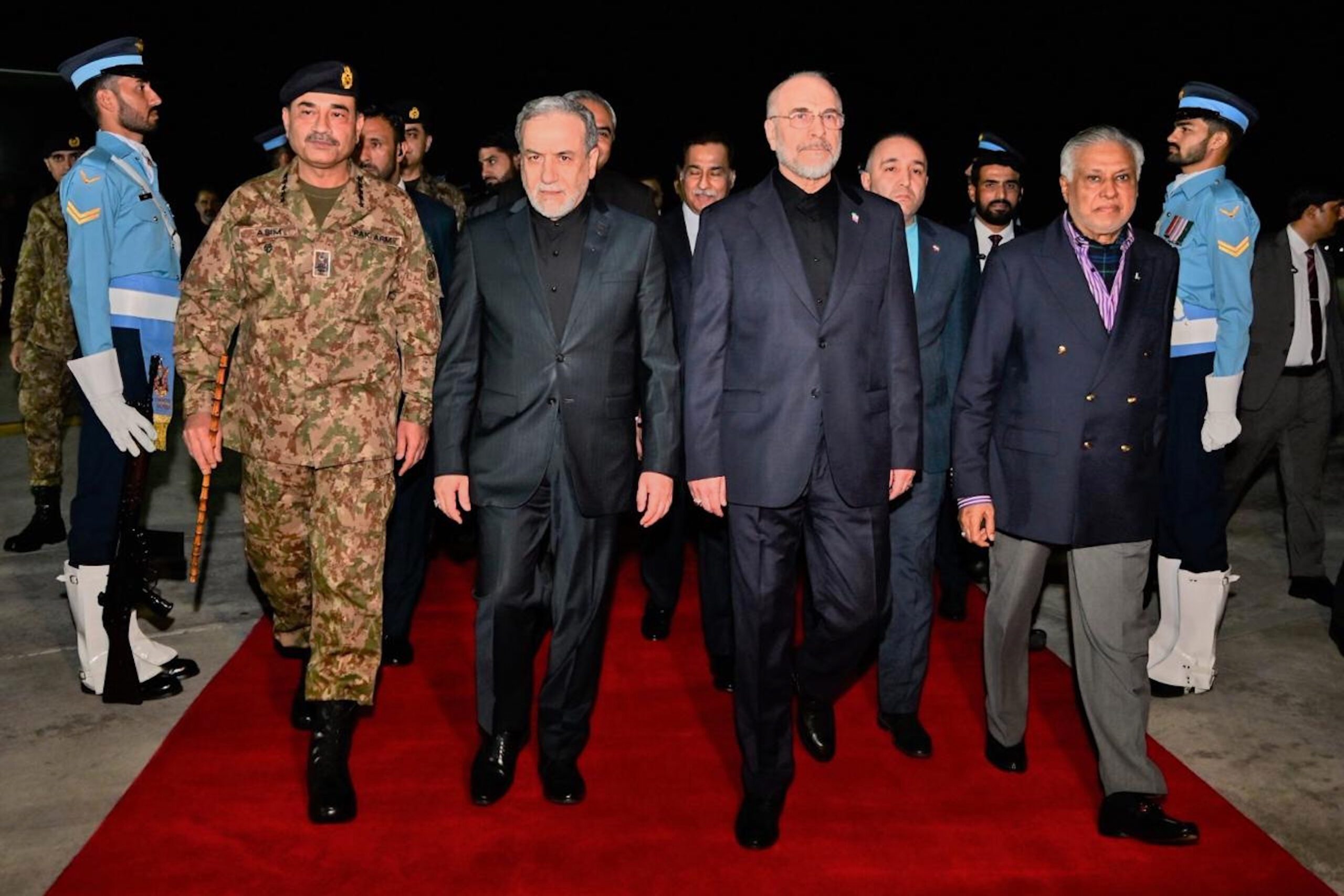
In this photo released by the Pakistan Foreign Ministry, Iran's Parliament Speaker Mohammad Bagher Qalibaf, center right, and Iran's Foreign Minister Abbas Araghchi, center left, are greeted by Pakistan Foreign Minister Ishaq Dar, right, and Army Chief Field Marshal Gen. Asim Munir, left, upon their arrival at Nur Khan airbase in Rawalpindi, Pakistan, April 11. (Pakistan Ministry of Foreign Affairs via AP)
In this photo released by the Pakistani Foreign Ministry, Iranian Speaker of Parliament Mohammad Bagher Qalibaf, center right, and Iranian Foreign Minister Abbas Araghchi, center left, are greeted by Pakistani Foreign Minister Ishaq Dar, right, and Army Chief Field Marshal Gen. Asim Munir, left, upon their arrival at Nur Khan air base in Rawalpindi, Pakistan, April 11. (Pakistani Ministry of Foreign Affairs via AP)

Mar 18, 2026

In Its Conflict With the United States and Israel, Does Escalation Favor Iran?

On March 18, AGSI hosted a discussion on the escalation of the Iran war.

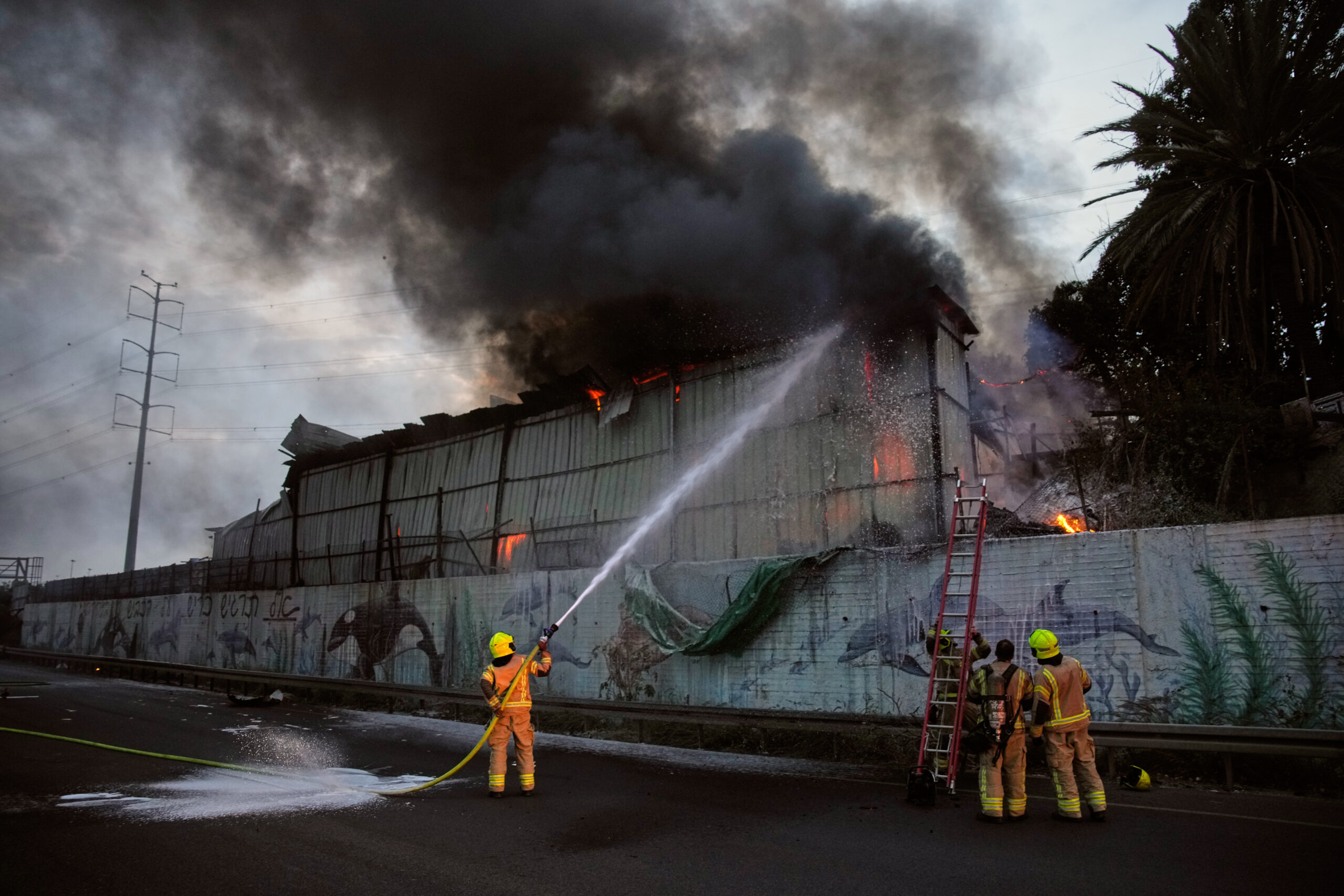
Firefighters try to extinguish flames at the site of a direct hit by an Iranian missile strike in Holon, central Israel, March 13,. (AP Photo/Ohad Zwigenberg)
Firefighters try to extinguish flames at the site of a direct hit by an Iranian missile strike in Holon, central Israel, March 13. (AP Photo/Ohad Zwigenberg)
View All