Iraq
Oct 14, 2026
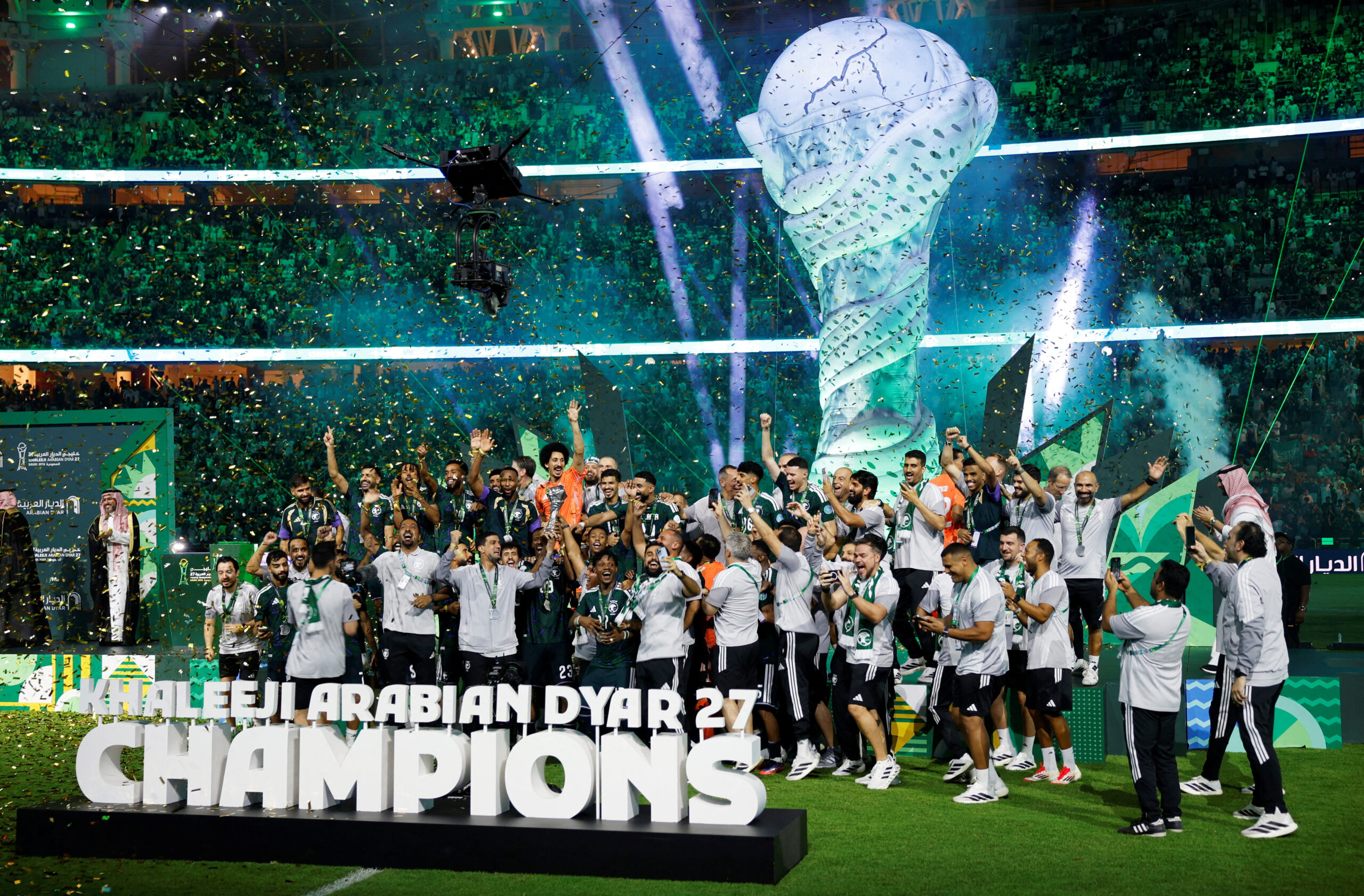
From Basra 2023 to Jeddah 2026: Football, Soft Power, and Gulf Ambitions
As host of Gulf Cup 27, Saudi Arabia won its first trophy in over 20 years while demonstrating how sports can project soft power and foster connections.

Oct 1, 2026
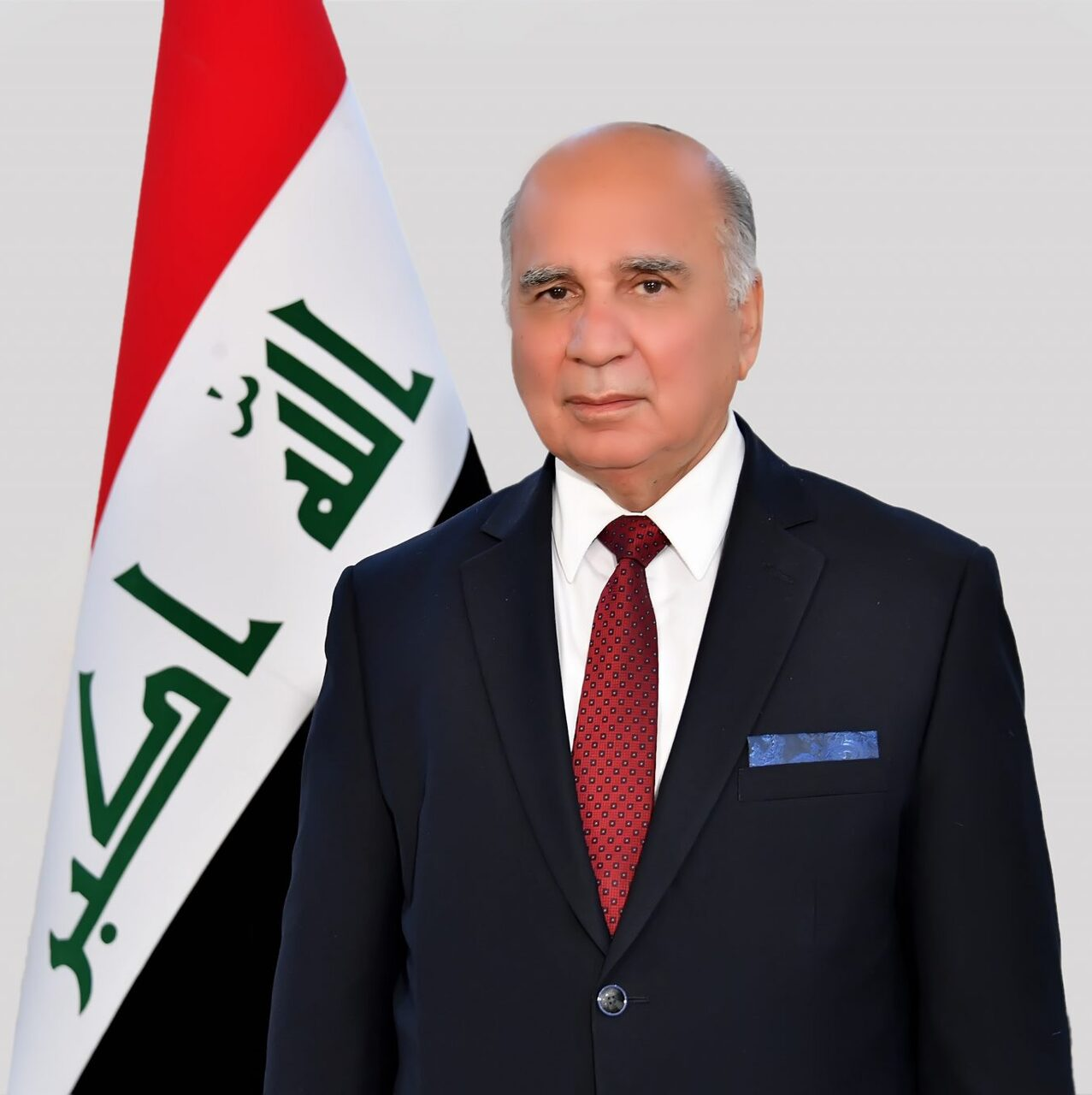
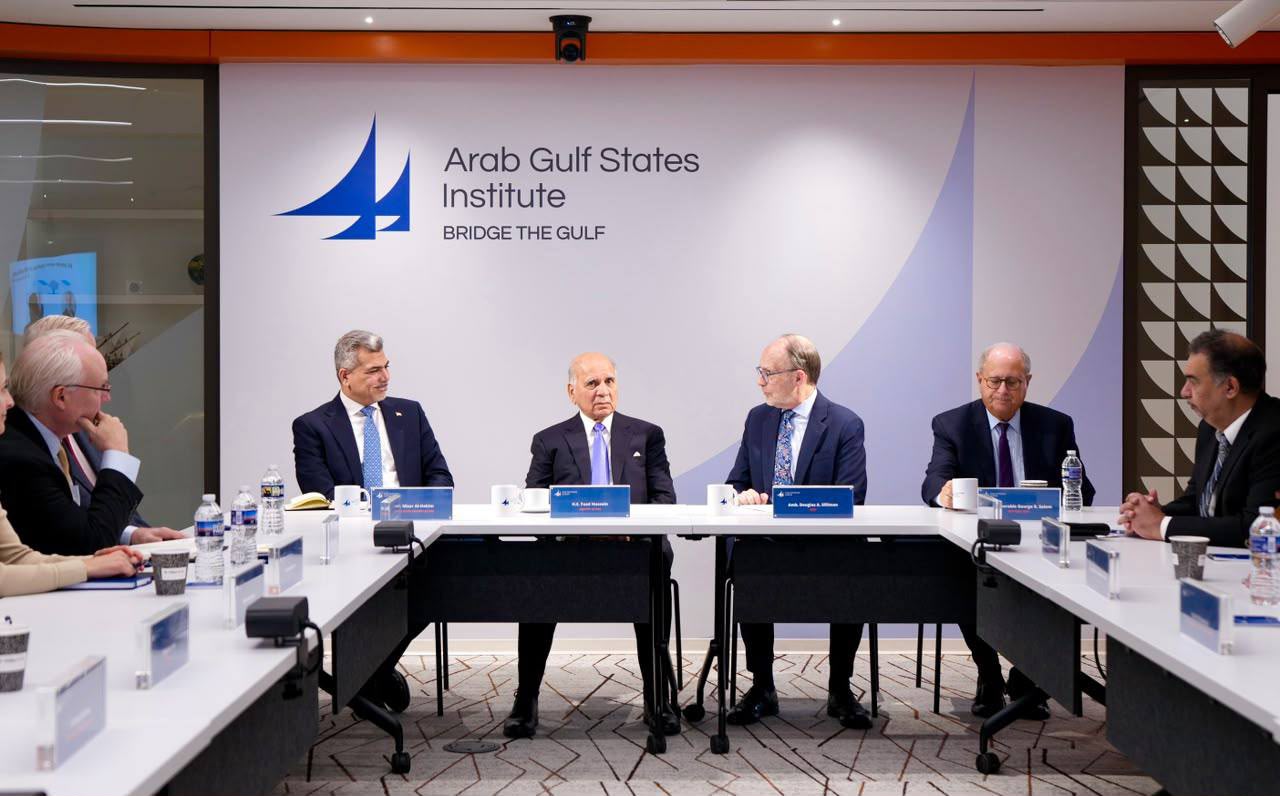
Roundtable With Iraqi Foreign Minister H.E. Fuad Hussein
On September 30, AGSI hosted a private roundtable with H.E. Fuad Mohammed Hussein, foreign minister of the Republic of Iraq.
Sep 28, 2026
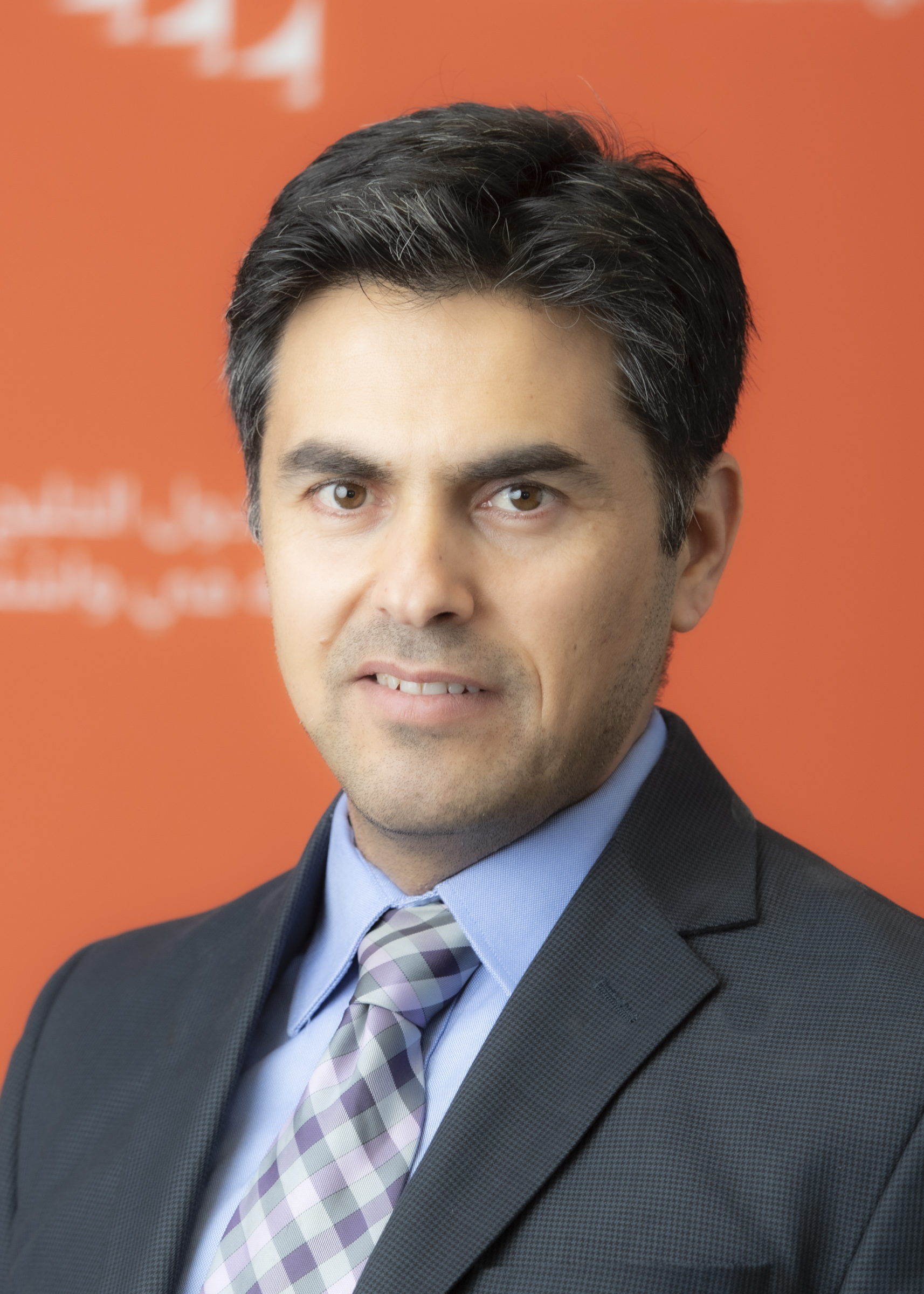
With U.S. Withdrawal, Can Iraq Exert Control Over the PMF?
As U.S.-led coalition forces withdraw from Iraq, Baghdad is confronting the political bargains that allow armed factions to defy the state.
Aug 13, 2026
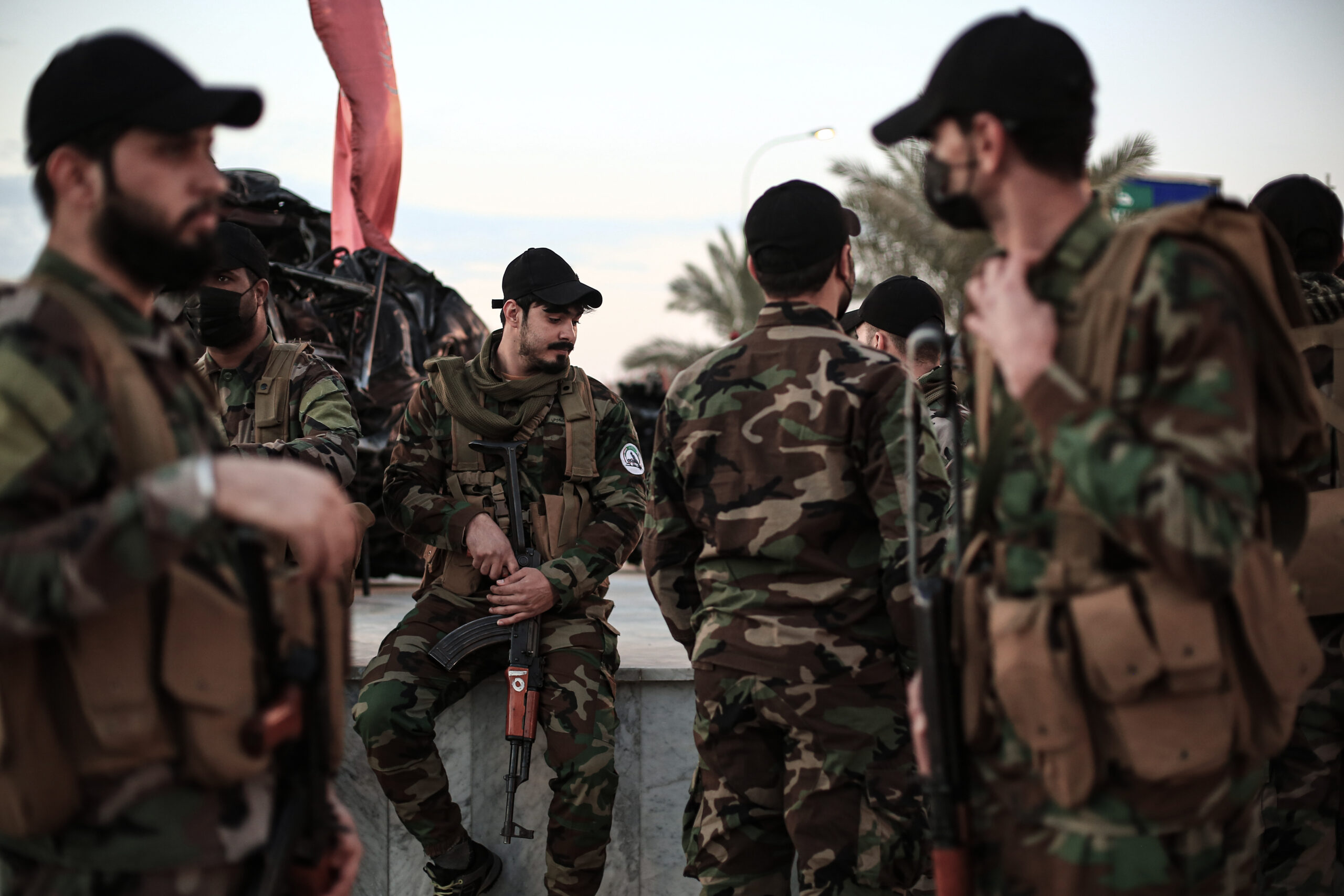
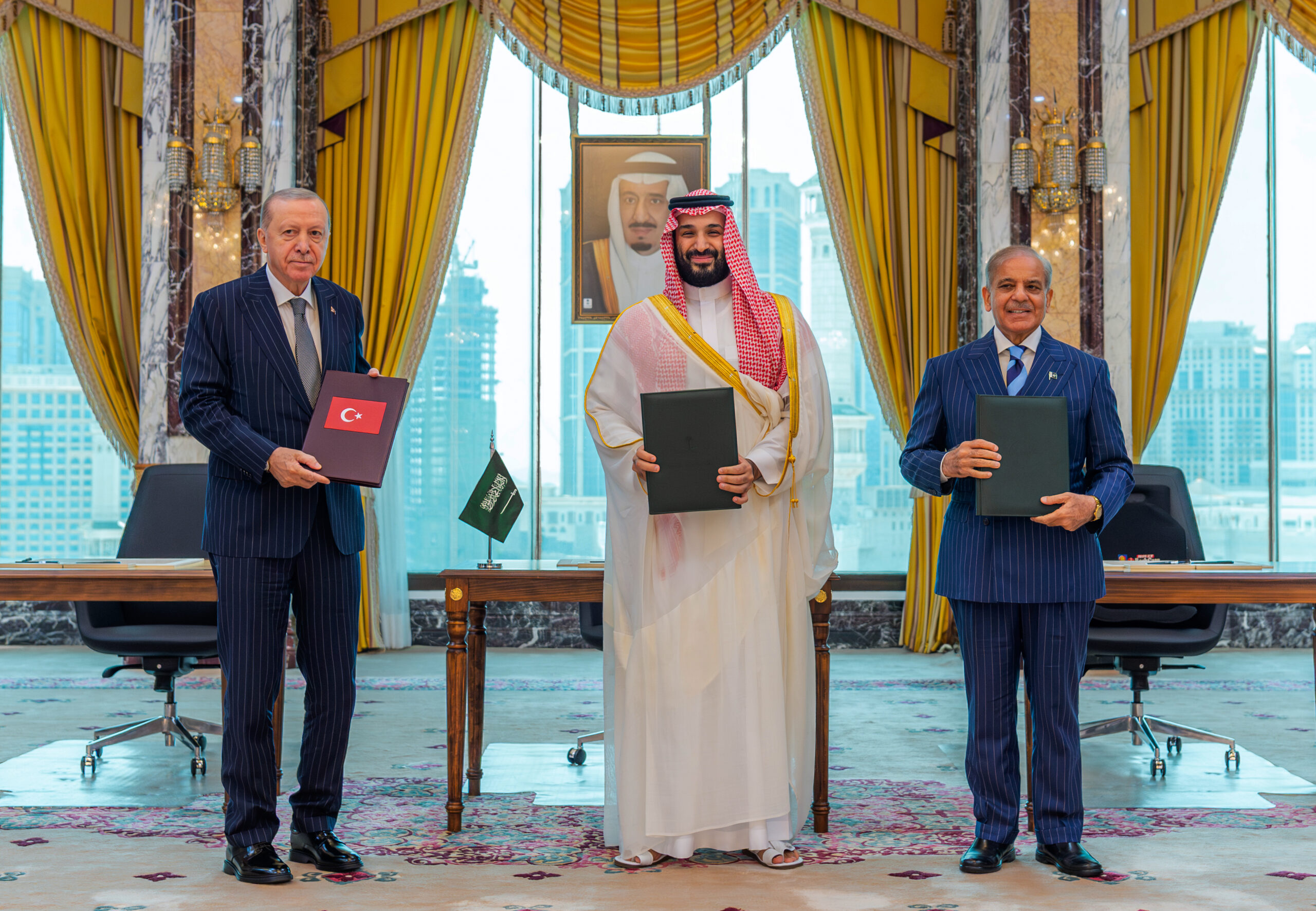
The New Trilateral Axis and the Iraqi Dilemma
As the September deadline for the U.S. troop drawdown approaches, Iraq’s period of comfortable neutrality is ending, but the country’s policymakers should not rush into unsustainable alignments.
Jun 4, 2026
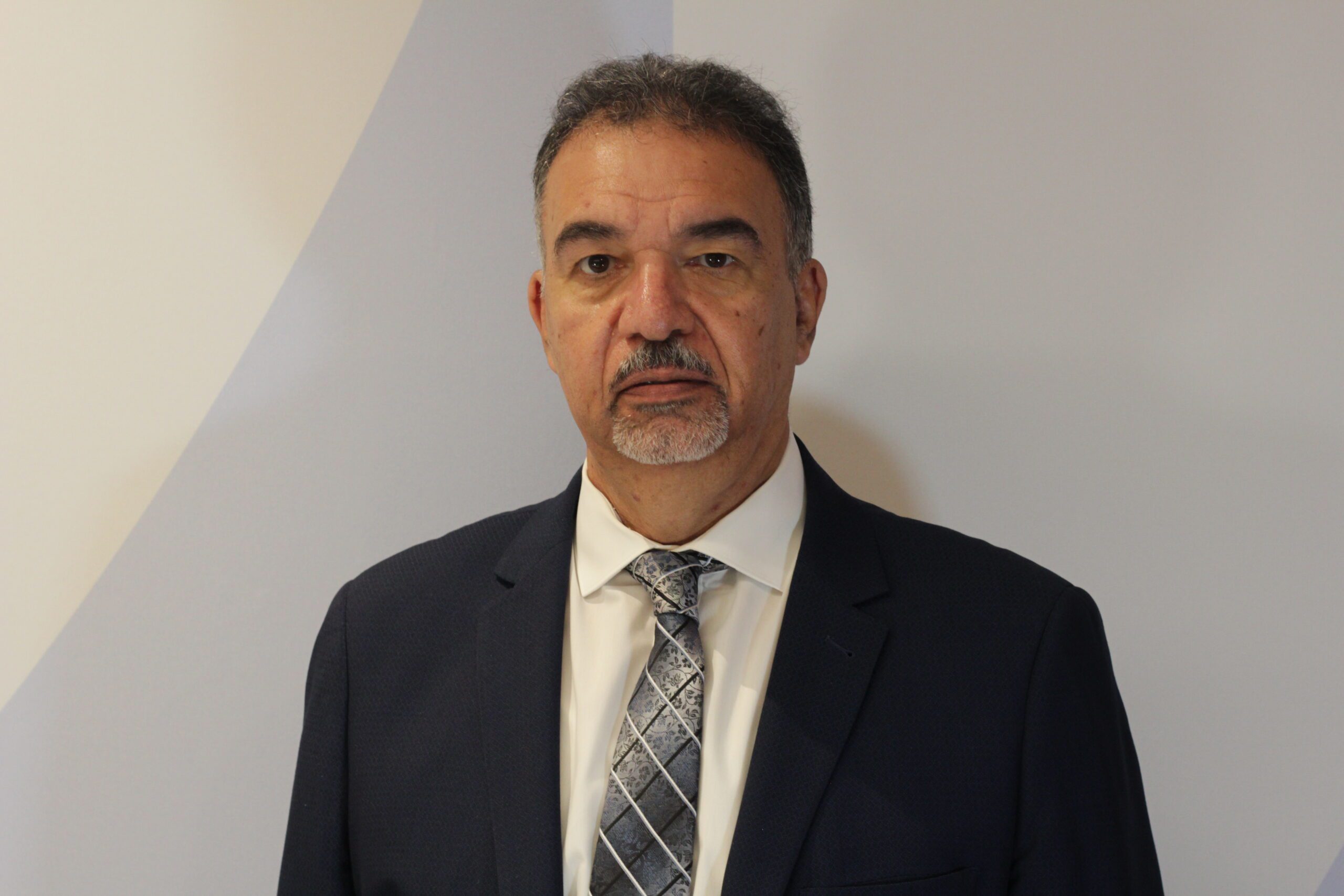
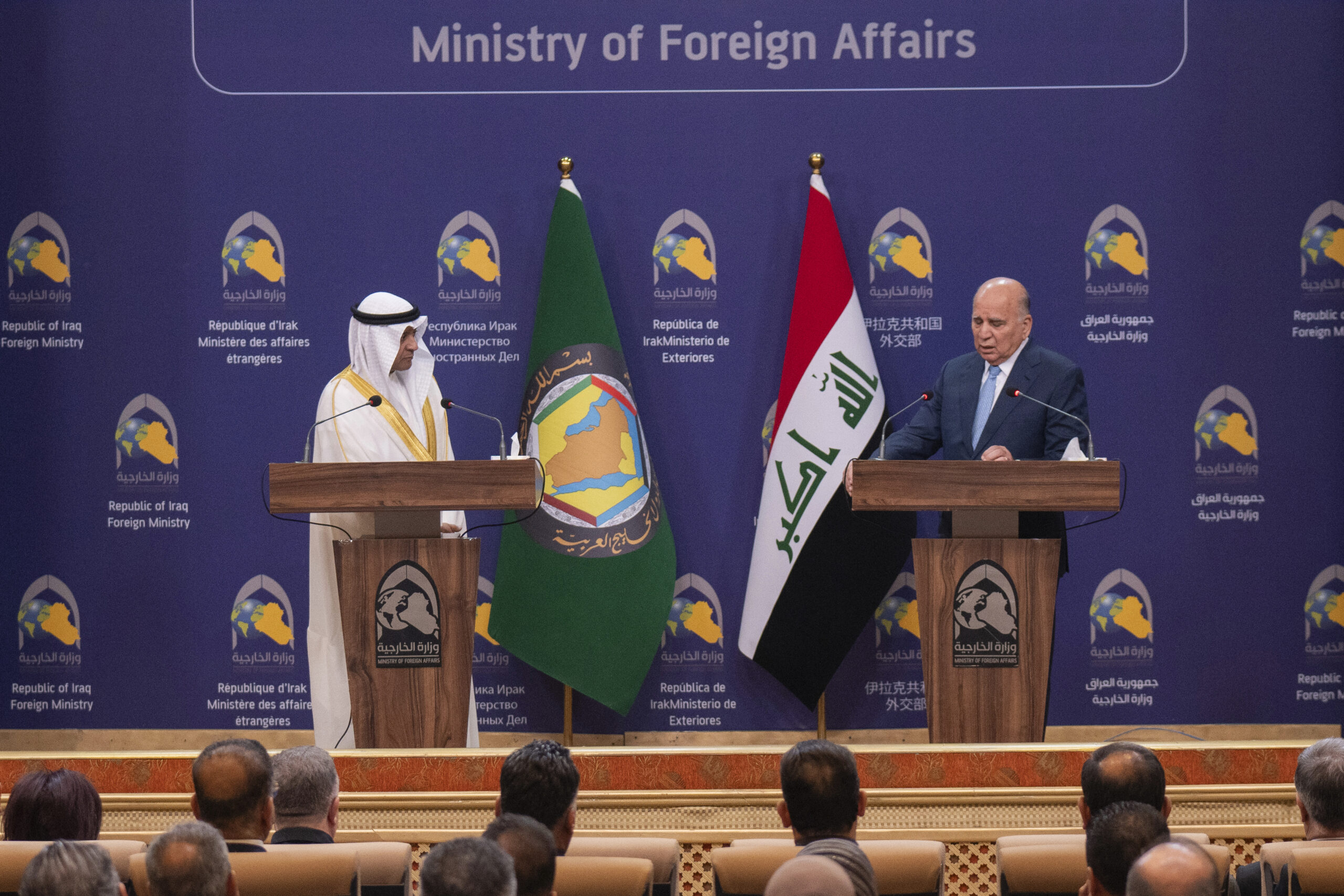
The Geopolitical Imperative of Iraq-GCC Relations
A strong relationship with the GCC acts as a stabilizing force for an inherently fragile Iraqi state. But to maintain this, Iraq needs to pair sophisticated regional diplomacy with assertive control over the nonstate actors operating within its borders.
Jun 3, 2026
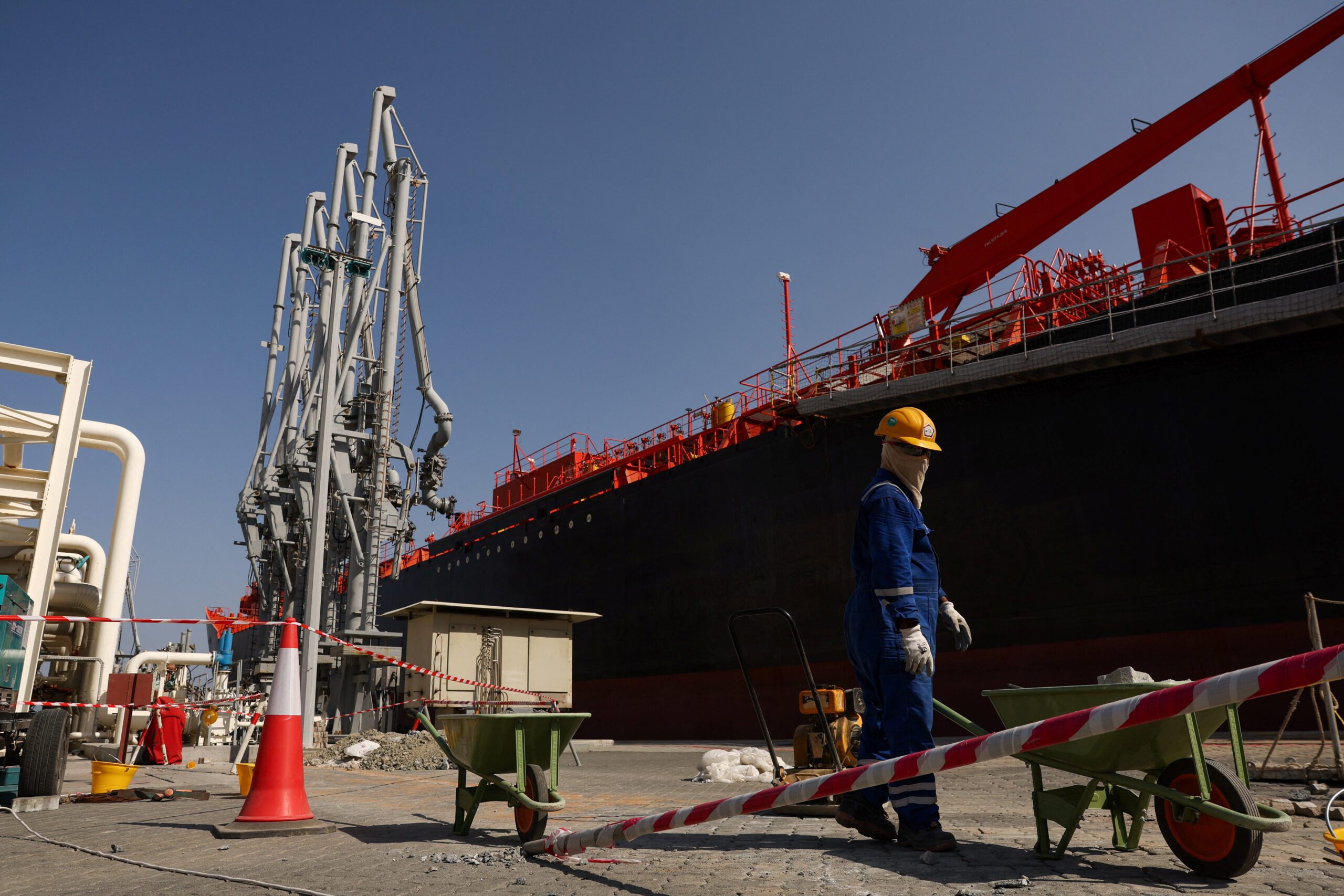
Petro Diplomacy 2026: Energy in Crisis: Markets and Geopolitics of Supply
On June 8, AGSI convened its Petro Diplomacy conference for the 12th consecutive year.
May 27, 2026
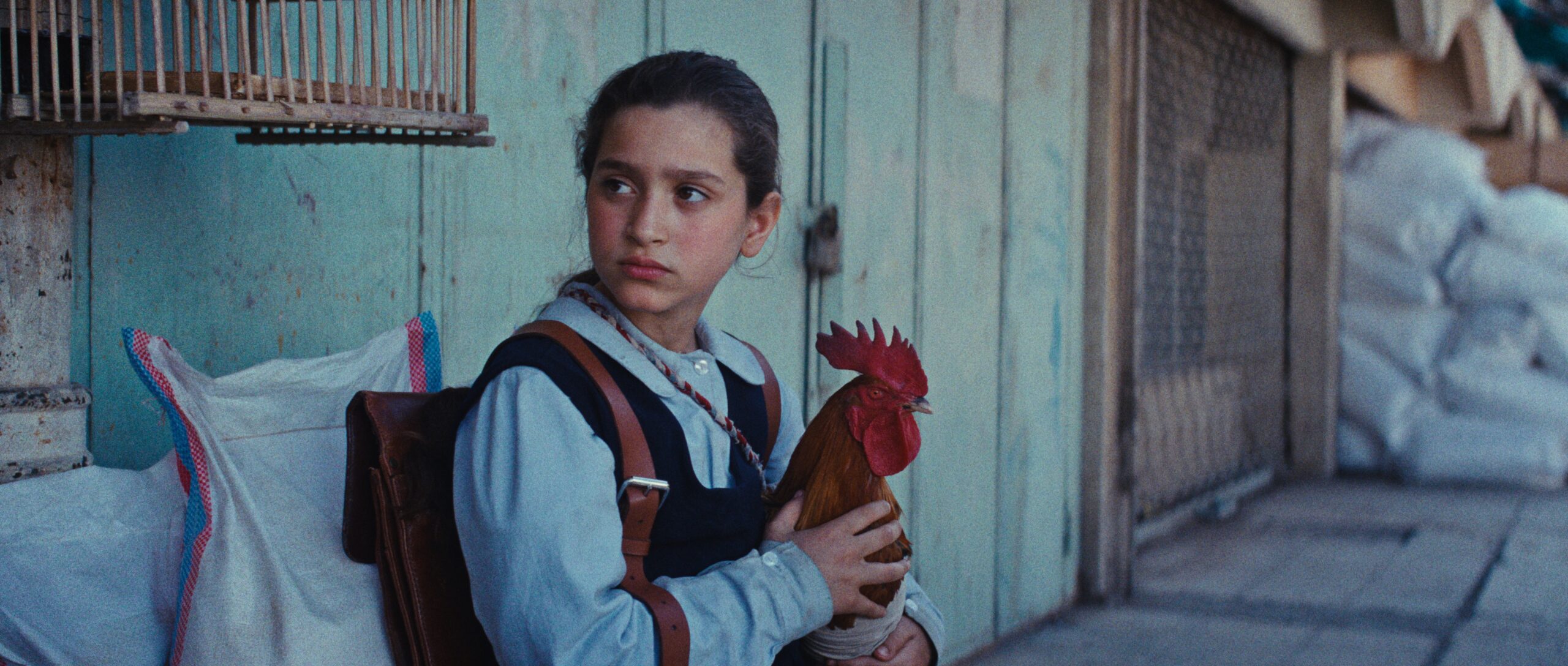
Screening of Iraqi Film “The President’s Cake”
On June 4, AGSI and the National Museum of Asian Art co-hosted a screening of “The President’s Cake.”

May 8, 2026
Iraq in a New Middle East: Government Formation and Regional Challenges
On May 12, AGSI hosted a discussion on the new government in Iraq.