Oil Markets Brace for Monday Surge After U.S.-Israeli Strikes on Iran
There was a growing war risk premium in the oil markets tied to escalating regional tensions; the shift from shadow confrontation to direct military action changes the calculus.
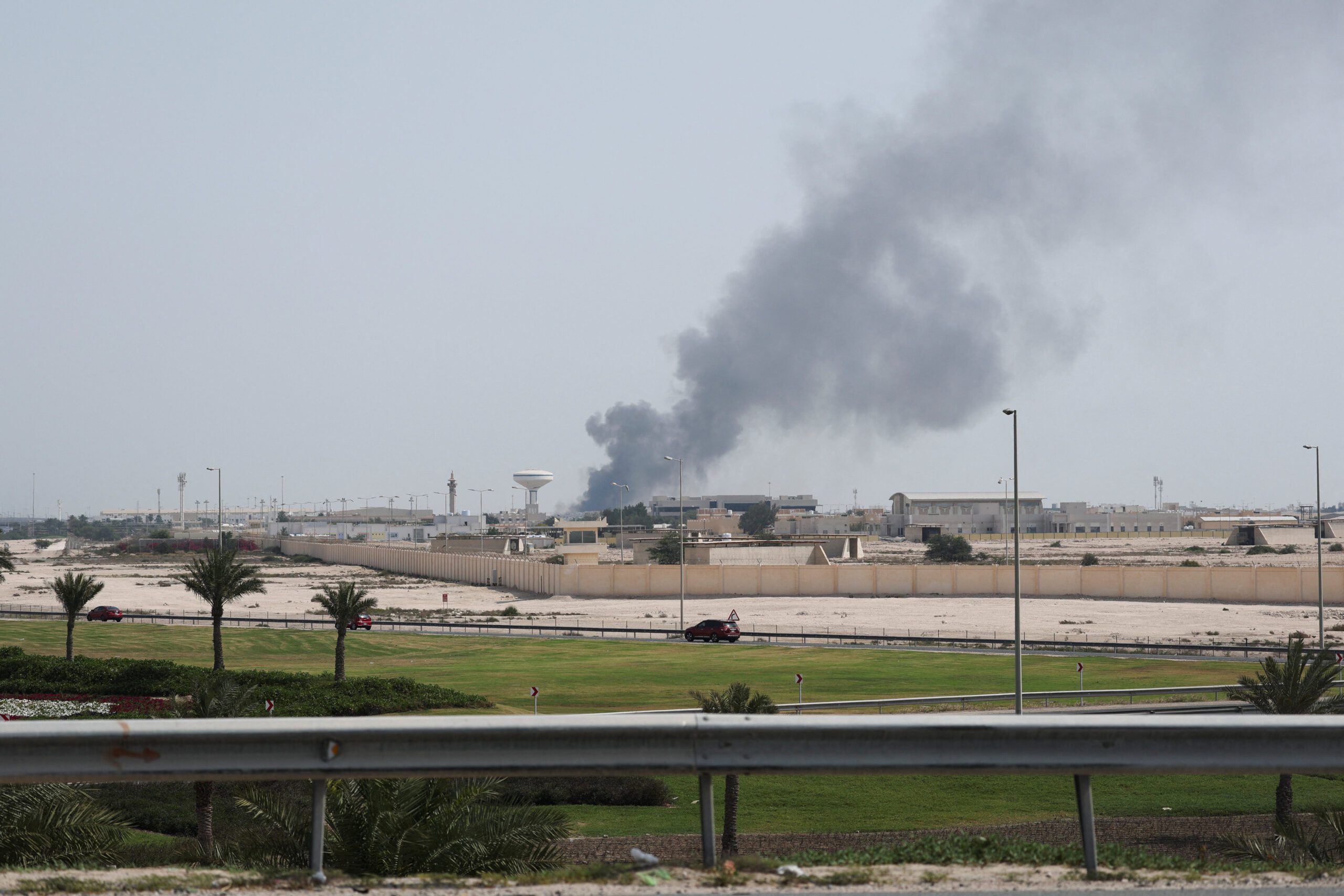
Smoke rises after reported Iranian missile attacks, following U.S. and Israeli strikes on Iran, as seen from Doha, Qatar, March 1. (REUTERS/Mohammed Salem)
Oil markets are poised for a sharp reaction when trading opens on Monday following coordinated U.S.-Israeli strikes on Iranian targets, with traders widely expecting a significant geopolitical risk premium to be priced in immediately. Maritime traffic has reportedly been disrupted through the Strait of Hormuz, through which 20% of global oil flows and 18% of liquefied natural gas exports are shipped to markets. This translates to 15 million barrels per day of crude oil, 3.8 mb/d of refined products, and 80 million metric tons per year of LNG, nearly all from Qatar. The killing of Supreme Leader Ayatollah Ali Khamenei raises questions as to the succession and whether it will lead to a change in policy direction, which could affect market stability.
Markets were closed at the time of the attacks, leaving crude unable to respond in real time. Brent settled at $72.50 per barrel on Friday – already more than $10/bbl above its January 1 level and the highest since July 2025 – reflecting what several analysts had already begun to characterize as a growing war risk premium tied to escalating regional tensions. The weekend escalation is expected to amplify those fears materially.
Prior to the strikes, analysts estimated that several dollars of Brent’s roughly $10/bbl year-to-date gain already reflected geopolitical risk tied to mounting Israel-Iran tensions and the U.S. military buildup. The shift from shadow confrontation to direct military action changes the calculus.
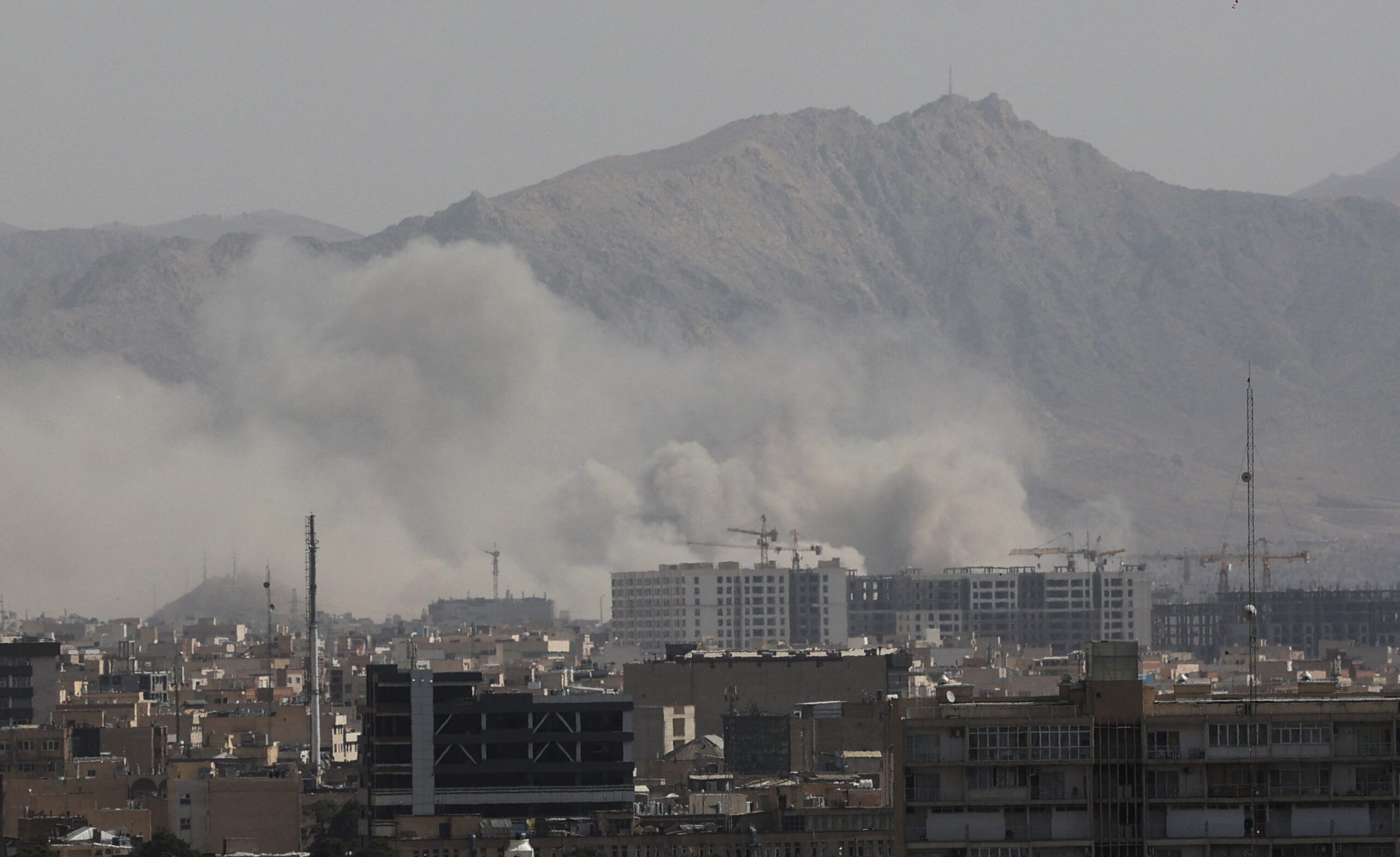
Market participants expect an additional $10/bbl – and potentially more – to be priced into crude when Asian trading opens Monday, depending on developments between now and the market open. The scale of Iran’s initial retaliation is likely to reinforce that upward pressure. Tehran has targeted Israel as well as U.S. and allied targets across the region, including in multiple Gulf Cooperation Council states. While the physical impact on energy infrastructure remains limited so far, there remains a real risk of some missiles striking energy facilities.
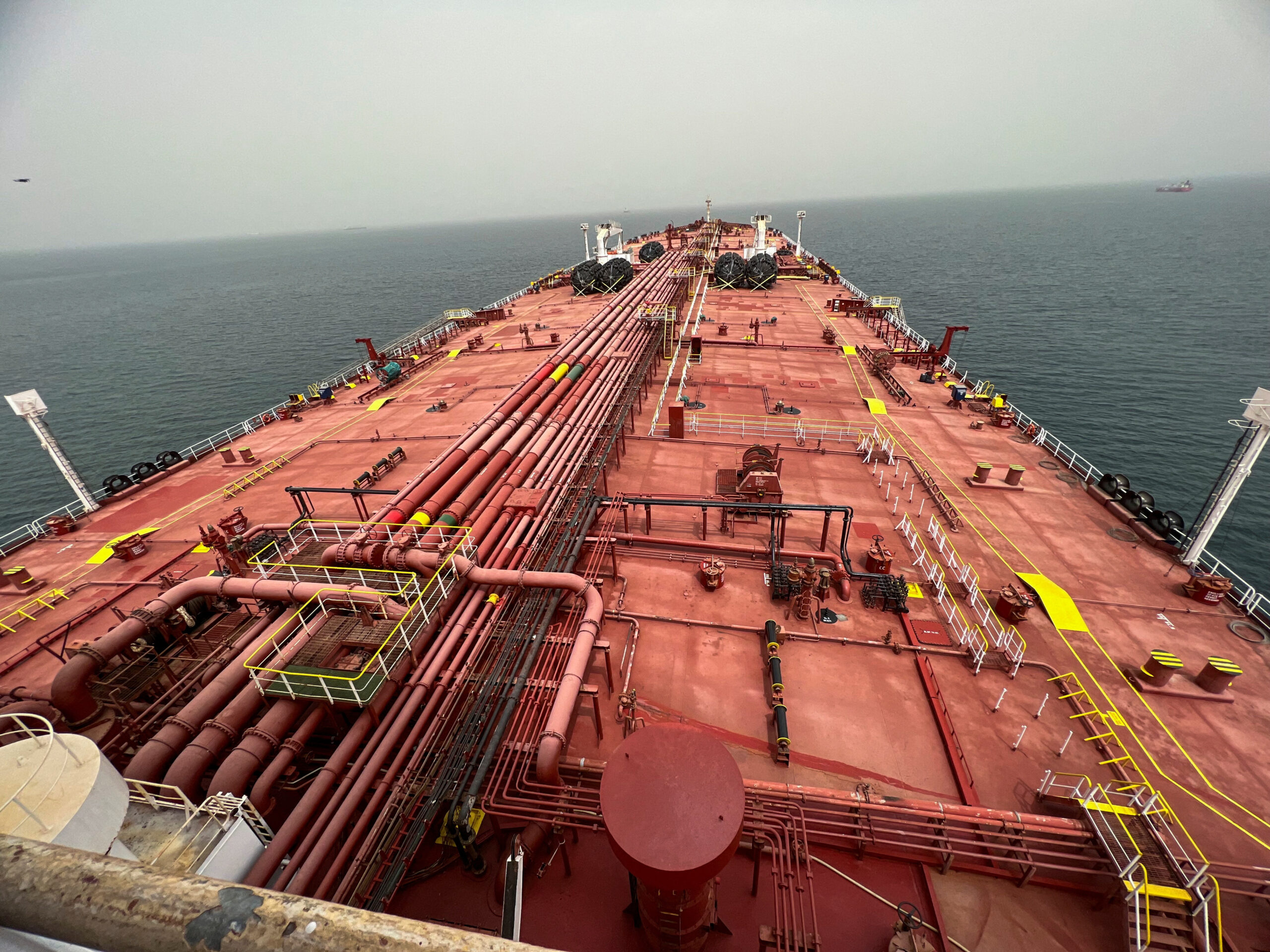
Crucially for oil markets, Iran has also issued warnings to commercial shipping to avoid the Strait of Hormuz, through which roughly one-fifth of global oil supply transits. Oil tanker rates and insurance costs were already moving higher and are likely to escalate further because of the heightened navigational risk in one of the most critical energy corridors. On March 1, Oman’s Maritime Security Centre reported that an oil tanker that was under U.S. sanctions was hit off the Omani coast. It was not immediately clear who was responsible for the attack or what cargo the tanker was carrying.
Even before the latest flareup, spot prices for booking a Very Large Crude Carrier from the Gulf to China were running at around $200,000 per day, equivalent to nearly $5/bbl. For comparison, rates spiked briefly in June 2025, when Israel struck Iran, kicking off the 12-day war. At the time, even as missiles flew across the Gulf and concerns heightened over a disruption to shipping through the Strait of Hormuz, rates registered a slight increase from around $20,000 per day to a little over $50,000 per day but only briefly. Rates fell back after the conflict ended. But it has been a different story since, with shipping costs for crude carriers increasing steadily since August 2025 and likely to rise even more in coming days.
The narrow strait is also the main outlet for Qatari LNG exports. With Qatar, home to the United States’ massive Al-Udeid Air Base, reporting a number of Iranian missiles fired in its direction, the risk of disruption to LNG loadings, even as a precautionary measure, is likely to cause a spike in LNG prices.
The U.S. Central Command has warned ships against navigating in the Gulf if possible, and news agencies have reported that some oil majors and trading houses have suspended shipments via the Strait of Hormuz. Lloyd’s List reported that “multiple vessels of all types have been observed turning around in the Gulf of Oman and the Strait of Hormuz.” A Reuters report quoted an official with the European Union’s naval mission Operation Aspides saying that vessels transiting the strait have received radio messages stating that “no ship is allowed to pass the Strait of Hormuz” adding that the warnings over VHF radio were attributed to Iran’s Islamic Revolutionary Guard Corps.
Lloyd’s subsequently reported the suspension of maritime traffic through the Red Sea to avoid the possible resumption of attacks by Yemen’s Houthis in support of their Iranian ally. “Leading container shipping carriers have halted vessel transits through the Strait of Hormuz and rerouted vessels away from the Suez Canal after the US and Israel launched a pre-emptive attack against Iran, plunging the region’s key maritime chokepoints into crisis,” it reported. “At least 15 containerships have reversed course from either entering or exiting the Strait of Hormuz, but most have either stopped or have diverted,” it added. Some 170 containerships are reportedly inside the strait and are restricted from exiting, the report noted, citing Linerlytica, which tracks container shipping movements.
Adding to market unease is the political messaging from Washington. President Donald J. Trump has indicated the strikes will not be limited and has openly referenced regime change as among the objectives – language that signals a potentially prolonged confrontation rather than a contained punitive operation, especially with the killing of Khamenei raising the question of succession. Tehran, meanwhile, remains defiant, vowing to retaliate even more strongly to the U.S.-Israeli operation.
There has not been any confirmed large-scale disruption to Middle Eastern crude production or exports at this stage. Gulf producers continue to pump normally, and key export terminals remain operational. However, the market’s sensitivity reflects how thin the buffer for disruption currently is. Global spare capacity remains heavily concentrated in a small number of Gulf producers – precisely within the region now facing heightened security risk. Moreover, shipping risk can tighten markets even without upstream outages. If vessel traffic through the Strait of Hormuz slows materially, supply to Asian buyers could tighten quickly.
Asian importers are likely to feel the greatest immediate market impact. The region depends heavily on Gulf crude flows, with China, India, Japan, and South Korea among the largest consumers of Middle Eastern barrels.
With Brent already trading at a seven-month high before the weekend escalation, the market enters the new week with limited geopolitical cushion. Much will depend on Iran’s next moves – particularly at sea.
Market participants were waiting to see the outcome of a meeting on March 1 of oil ministers from eight OPEC+ states, including Saudi Arabia and the United Arab Emirates, both oil producers that hold the bulk of spare oil production capacity currently available. The group, which has been applying voluntary cuts since to steady the market, has decided to increase production by 206,000 b/d beginning April 1, slightly higher than what had been expected. The market was expecting a monthly increase of around 137,000 b/d, but much will depend on whether the group will adopt a wait-and-see approach should Iranian oil exports be disrupted.
Iranian exports have held relatively steady despite a slew of U.S. sanctions that were designed to deprive Iran of revenue, but Tehran has used shadow fleets and has been able to successfully circumvent the sanctions so far.
Iranian exports were unaffected by the June 2025 conflict with Israel, holding at around 1.5 mb/d, though a prolonged conflict with the United States carries a higher risk of disruption. In its February “Oil Market Report,” the International Energy Agency estimated that Iranian oil exports fell by 180,000 b/d in January, although it also noted that inventories rose.
In recent decades, Gulf Arab producers have taken measures to reduce their exposure to potential disruption of tanker traffic through the Strait of Hormuz. Saudi Arabia and the UAE now operate pipelines that bypass the waterway.
Iran’s fallback option is the massive volume of oil it has built up on the water. In total, Iran has more than 220 million barrels that it can monetize if operations at the primary Kharg Island export terminal are disrupted by conflict with the United States. Its Jask terminal outside the Strait of Hormuz does not yet have the capacity to handle large volumes.
For now, traders are bracing for a volatile open when Asian markets begin pricing the first full-session reaction to the U.S.-Iran military confrontation.
The views represented herein are the author's or speaker's own and do not necessarily reflect the views of AGSI, its staff, or its board of directors.
Gulf Arab countries urged the United States not to strike Iran, but now that is happening, they are in danger of being sucked into a conflict they cannot control but that will likely reshape their present and future realities.
From the Gulf to the eastern Mediterranean and North Africa, governments are recalibrating fiscal terms, monetization strategies, and partnership models to attract international players.
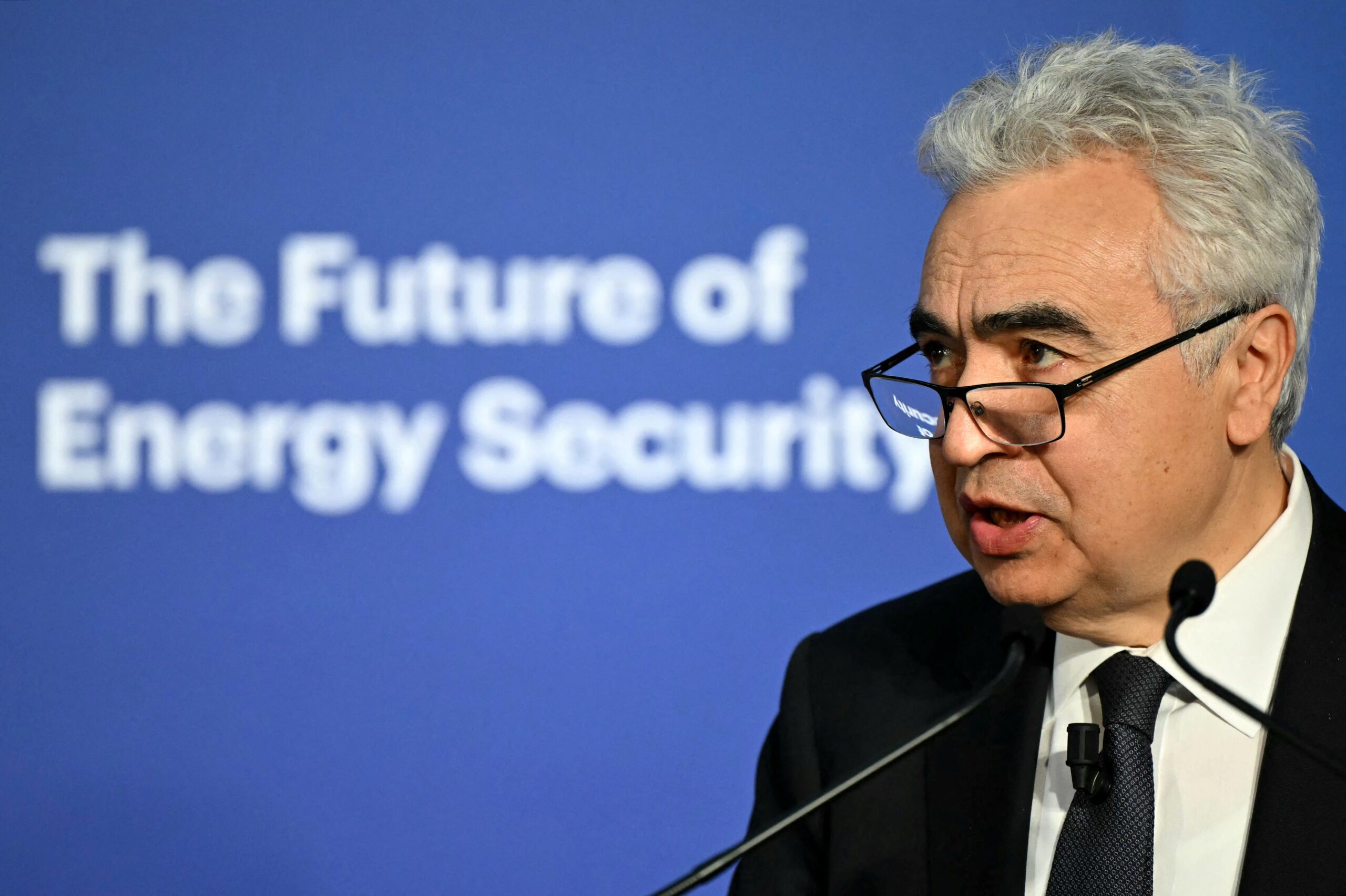
The International Energy Agency sees demand increasing as rising living standards in developing countries and geopolitical anxieties push policymakers to favor energy affordability and reliability over aggressive decarbonization.
From the Gulf to the eastern Mediterranean and North Africa, governments are recalibrating fiscal terms, monetization strategies, and partnership models to attract international players.
A founding member of OPEC is now effectively under external control, raising questions about sovereignty, influence, and the resilience of producer-led market management.
The International Energy Agency sees demand increasing as rising living standards in developing countries and geopolitical anxieties push policymakers to favor energy affordability and reliability over aggressive decarbonization.
Without mutual recognition mechanisms, Gulf exporters may face higher compliance costs and potential exclusion from European markets despite genuine emission-reduction efforts.