The Esports World Cup’s staging in Paris showcased Saudi Arabia’s global gaming ambitions, and the booming sector is also helping to narrow the regional gender gap in technology and entertainment.
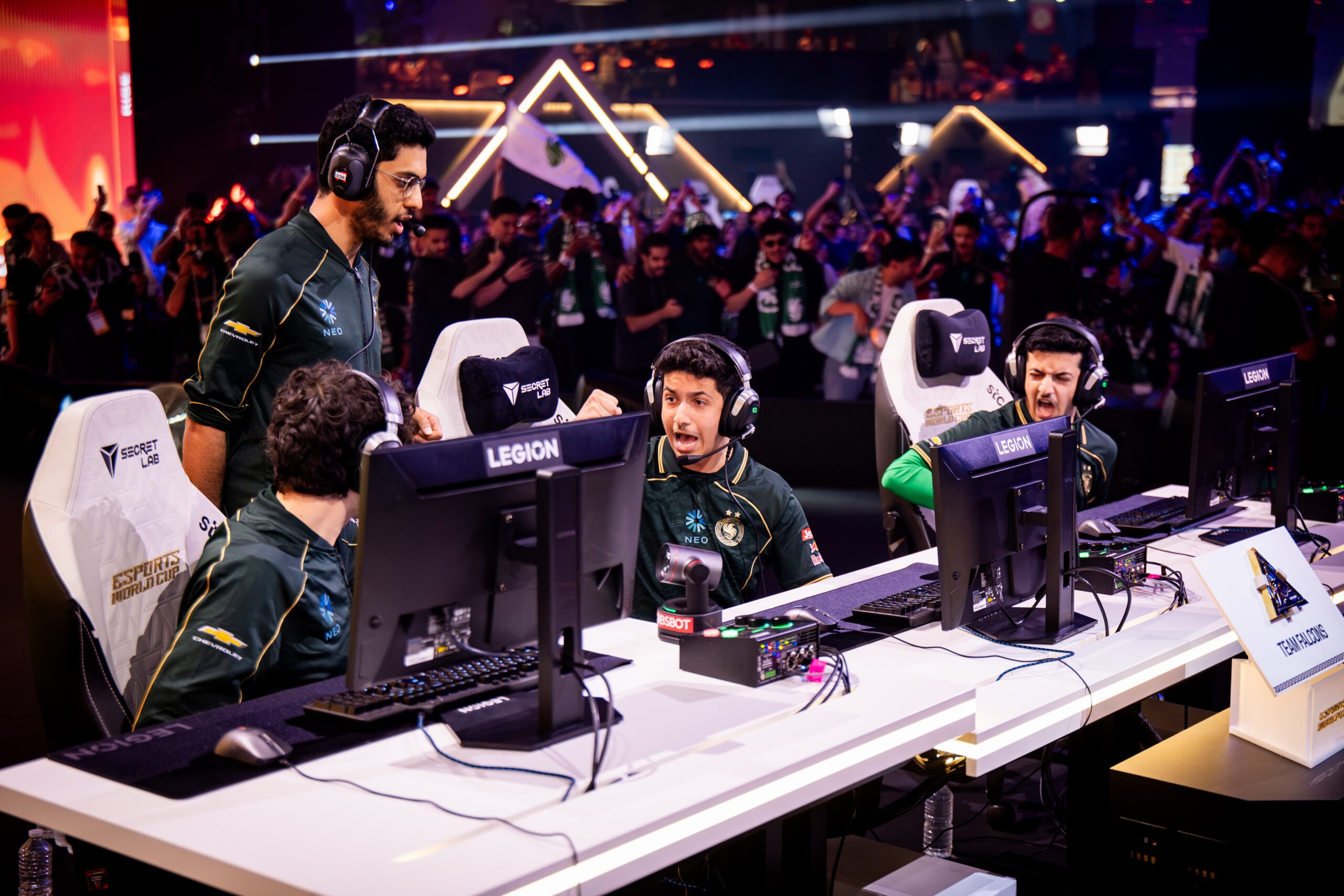
Saudi Arabia's Team Falcon competes in the Esports World Cup, in Paris, France. (Image courtesy of Esports World Cup)
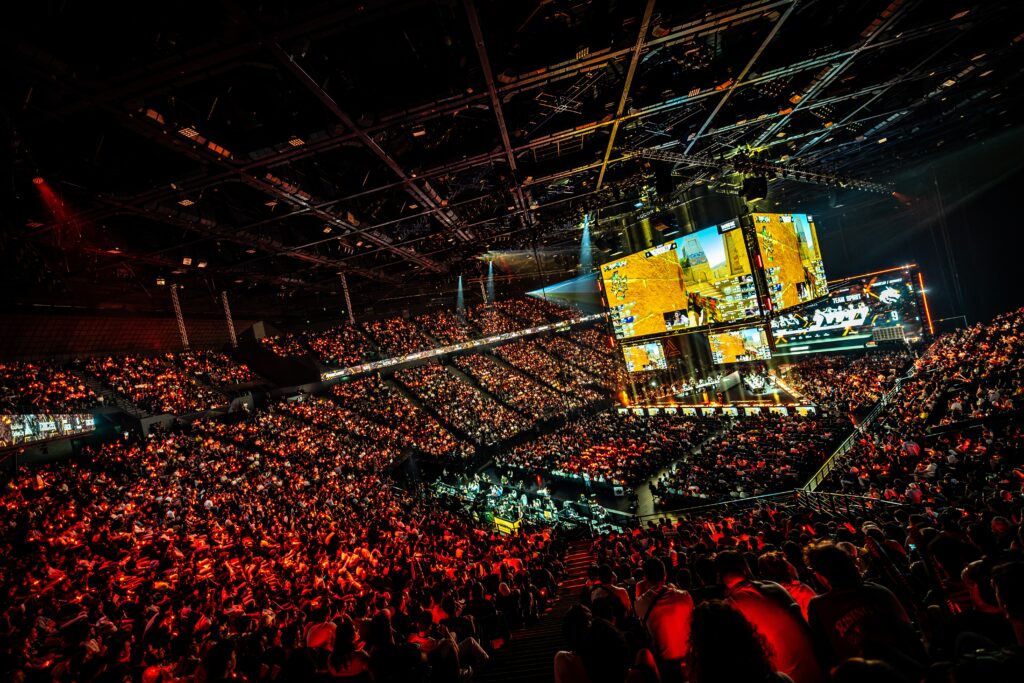
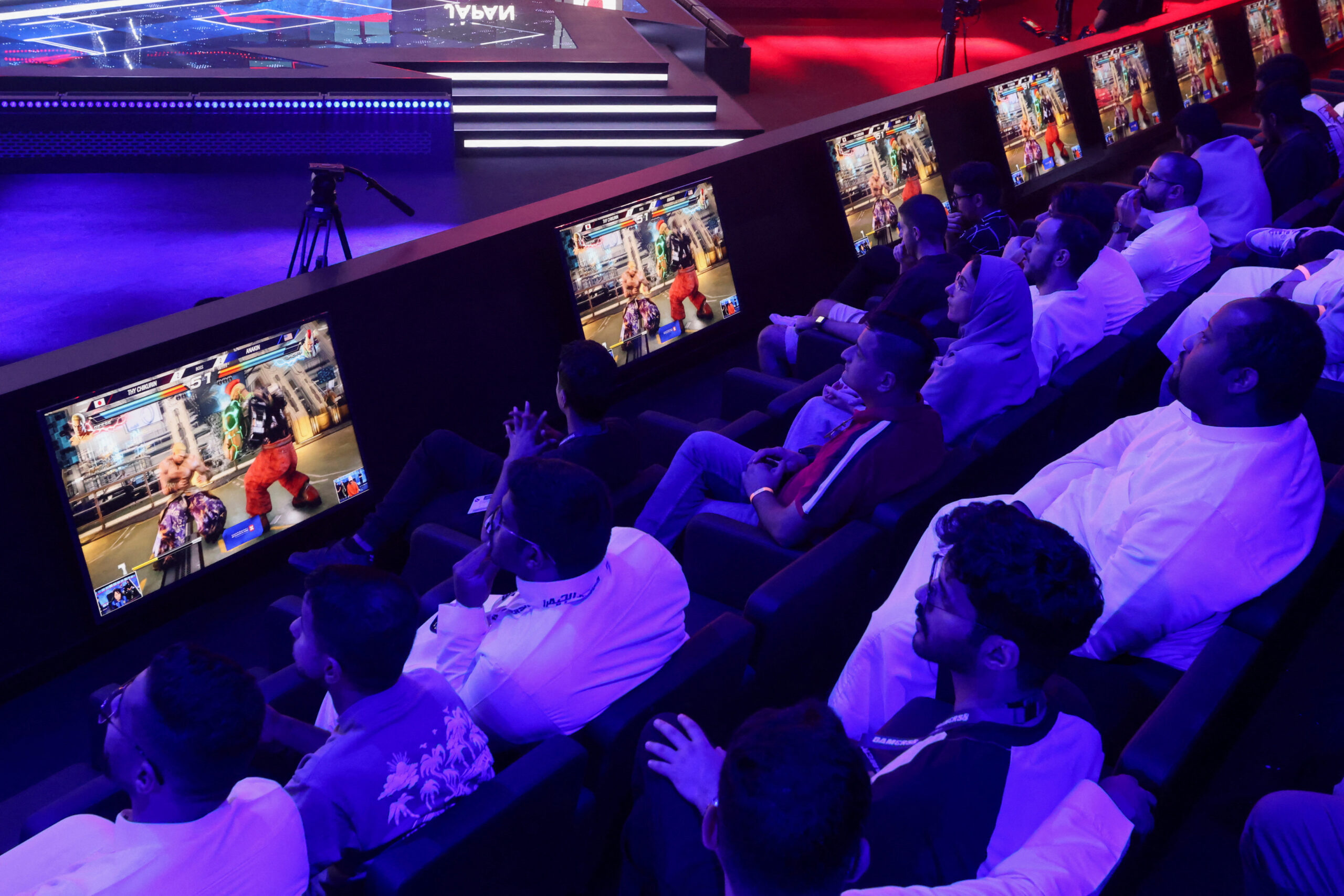
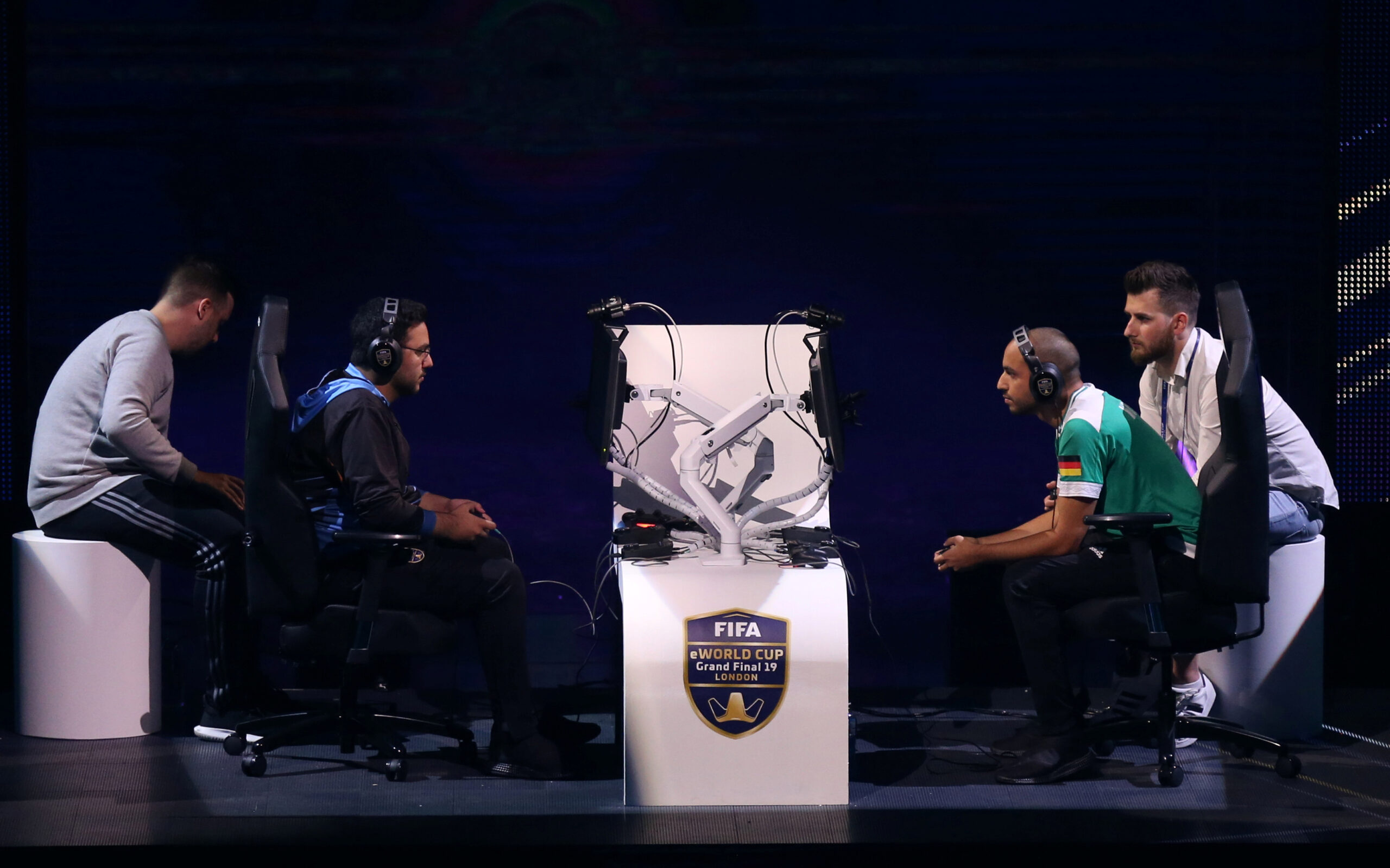
Thousands of people gathered at the Accor Arena in Paris on August 23 for the electrifying final matches of the third Esports World Cup. The 7-week event had to swiftly relocate from Riyadh to Paris due to security issues and travel disruptions in the Gulf caused by the ongoing Iran war. The event was an awe-inspiring spectacle of the power of the gaming industry and digital culture to grip the hearts and minds of youth. But it also solidified the Gulf’s position as an architect of modern gaming culture and demonstrated how a geopolitical crisis could not undermine the over $38 billion that Saudi Arabia has committed to gaming and esports through its sovereign wealth fund, the Public Investment Fund, and its gaming arm, Savvy Games Group. The Esports World Cup was once again staged by the Esports Foundation, a nonprofit based in Riyadh, backed and funded by the PIF through Savvy Games. Esports Foundation is developing and professionalizing the global gaming and esports ecosystem while supporting the kingdom’s broader gaming strategy.
Paris has historically been celebrated as an epicenter for fashion and art, but over the summer, Saudi Arabia and the French government, which received $290 million from the Esports Foundation to organize the event in Paris, transformed the City of Lights into a digital playground. The event had the pulse of an electronic music concert. The French provided logistical, diplomatic, and promotional support. Esports campaign banners were displayed across the city – on the metros, bus stations, and major landmarks, including the Champs-Élysées and Champs-de-Mars, directly in front of the Eiffel Tower.
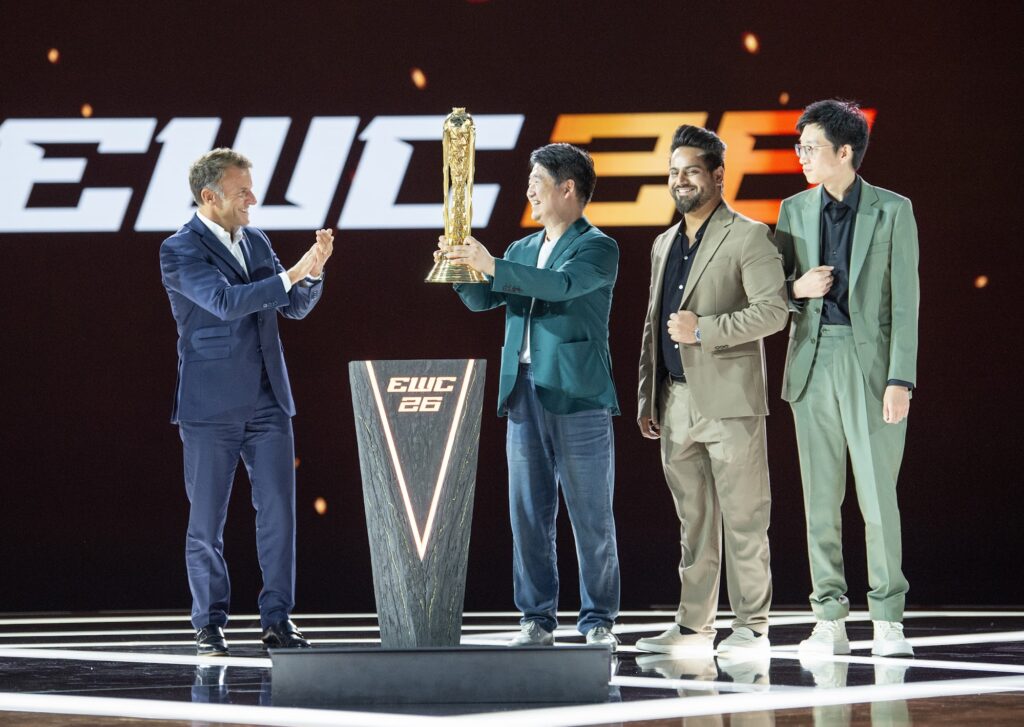
French President Emmanuel Macron awards China’s team AG.AL the Esports World Cup award in Paris, France, August 23. (Image courtesy Esports World Cup)
The event concluded with a star-studded finale attended by French President Emmanuel Macron and Saudi Crown Prince Mohammed bin Salman, where the Chinese team AG.AL was crowned the club champion over the reigning champions, Saudi Arabia’s Team Falcons. AG.AL claimed the $7 million top prize at a private ceremony in the historic Grand Palais in Paris.
“From a product perspective, we didn’t change much, and I think that’s the beauty of the industry; it has the international quality and standards to be anywhere,” said Faisal Bin Homran, chief product officer at the Esports Foundation, emphasizing how in Paris the Esports World Cup chose to integrate more with the city – something he said they hope to do when the event returns to Riyadh in 2027.
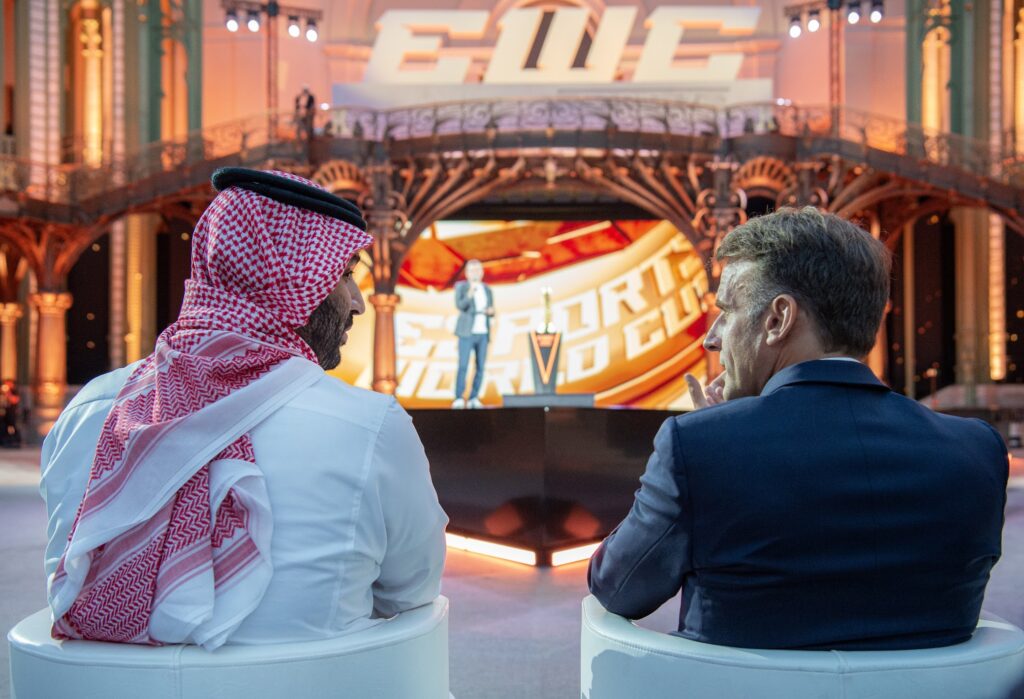
Saudi Crown Prince Mohammed bin Salman and French President Emmanuel Macron attend the Esports World Cup award ceremony, in Paris, France, August 23. (Image courtesy of Esports World Cup)
Mohammed bin Salman, himself, is also an avid gamer, with a reported passion for games such as Call of Duty and Dota 2. His personal interest has translated into state policy under his ambitious Vision 2030 blueprint to diversify the economy away from oil through investment in entertainment, culture, and tourism. “There’s an emotional angle to the EWC,” added Bin Homran. “Having role models and leaders being involved such as Macron hosting us in Paris helps us grow faster.”
The Esports World Cup brought together over 2,000 elite players from 100 countries. The prize pool, a record-breaking $75 million, was up from $60 million in 2024 and $71.5 million in 2025. According to figures following the event, it garnered 850 million viewers globally – a 13% increase from 2025. Additionally, ticket sales in Paris surged by 94% compared to the 2025 event.
Saudi Esports Ambitions
By successfully funding and executing the world’s largest gaming festival on European soil through the Esports Foundation, Saudi Arabia demonstrated how it is establishing itself as a driver for both regional and global entertainment. The kingdom’s investment in this sector is part of its effort to shift the narrative from its traditional dependency on oil production to its role as a leader in global tech and youth culture. While Saudi Arabia is leading the way through massive investment and state-wide strategy, other Gulf Arab states are also investing in gaming as a part of their own economic diversification goals.
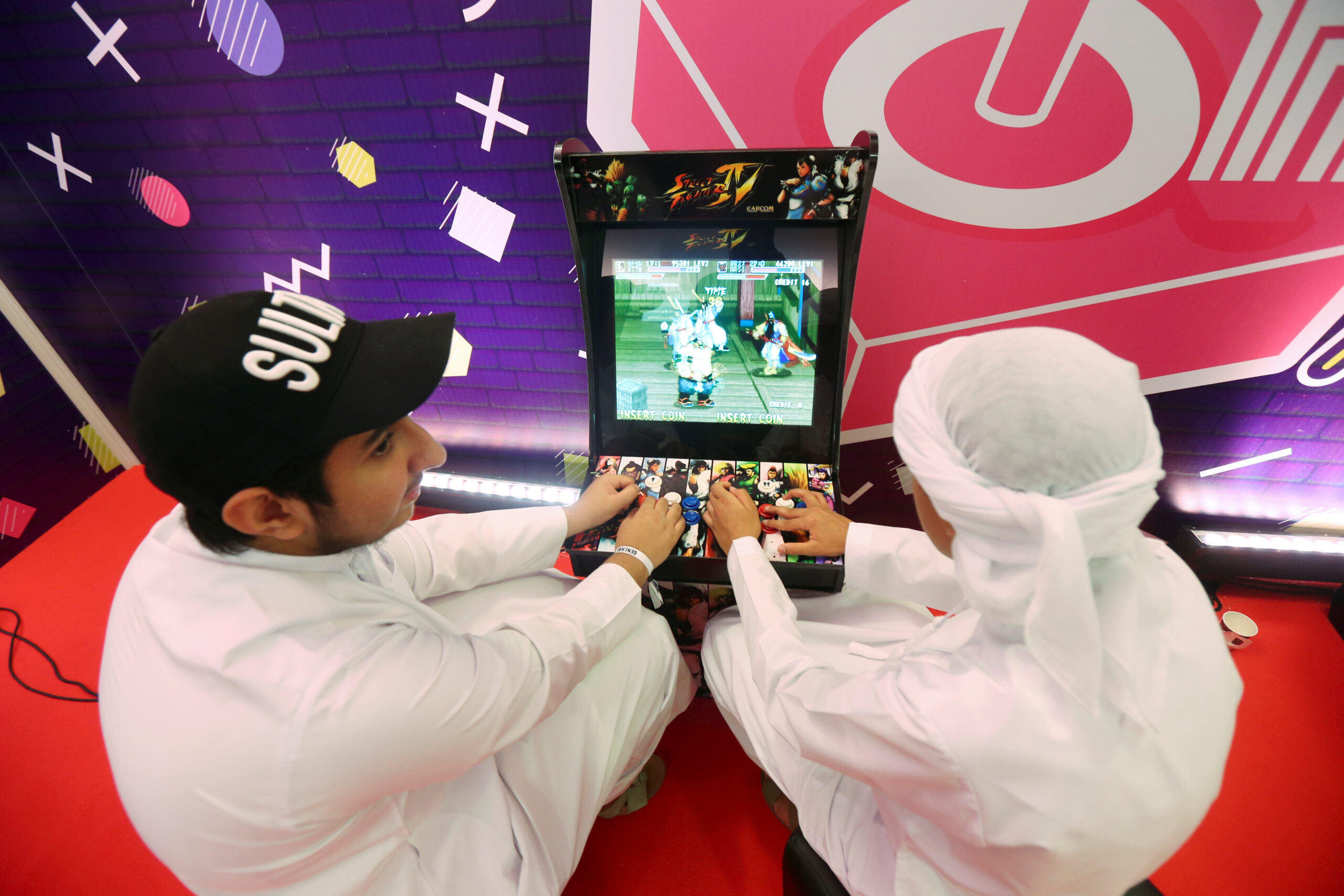
The United Arab Emirates and Qatar have also entered the lucrative and addictive world of esports, signaling a wider regional push to elevate gaming. Grassroots gaming communities and local tournaments, such as Super Smash Qatar, began organizing events back in 2015, and official national investments in gaming began to scale toward the start of the 2020s. These were accelerated with the establishment of the Qatar Esports Federation and major state-backed economic diversification strategies tied to Qatar National Vision 2030. Additionally, Qatar has built high-end physical spaces, including the Virtuocity gaming arena in Doha Festival City, is planning specialized esports training facilities, and has expanded digital connectivity. Qatar is also funding local Arabic-language game developers and publishers, including Mezan Studios, COREGAME Studios, Digital Dunes, and SekGames.
The UAE government began investing in gaming around 2021, with the launch of Abu Dhabi Gaming, a collaborative government initiative to build a self-sustaining gaming and esports ecosystem. Abu Dhabi is also building the world’s first Esports Island – a $280 million initial investment, part of a projected $1 billion total development, led by developer True Gamers. The island will feature luxury gaming hotels, competition arenas, and professional training facilities.
While gaming is growing across the Gulf, it has for decades held a special place in Saudi culture due to its uniquely young population, historically limited public entertainment options (with commercial movie theaters and large public concert venues restricted until recently), and a desert climate that naturally gravitated social activities indoors.
According to the Saudi General Authority for Statistics, in 2024 approximately 71% of Saudi nationals were under the age of 35, making gaming a primary generational form of daily entertainment. According to Boston Consulting Group’s 2021 report “Gaming & Esports: Media’s Next Paradigm Shift,” 67% of Saudis identify as gamers. And what was once a bedroom hobby can now be a career.
“Around 10 years ago, esports was a career only for the professional players,” explained Bin Homran. “No one knew about it. No one believed in it. Even the parents of gamers didn’t believe in it. I think what changed in the past five years is that generations before them started to realize the potential of esports and see more and more parents supporting their children. I am super proud to see how different generations now support the industry and that, aside from being a professional player, you can also be a commentator, analyst, club owner, or manager.” Bin Homran said that in Saudi Arabia he and his friends grew up with gaming. “Seeing MBS go to the media and say he is a gamer and he plays – that’s a strong message. Parents seeing that realize that their children who play are doing something important.”
Closing the Gender Gap
Something else stood out at the Accor Arena in Paris among the throng of young people eagerly watching their favorite gamers. There appeared to be a healthy mix of both female and male attendees and players. According to Statistica, women account for around 46% of gamers in the United States (down from 47% in 2025), a near-even split that is largely driven by the growth of mobile and social gaming, where women are highly active. However, women make up only a small fraction of those who compete or work in esports – around 5% according to data compiled by advocacy group Women in Games.
While there is a large global gender divide in esports, in the Gulf, this gap seems to be closing. According to official data and statements by the Saudi Esports Federation, chaired by Prince Faisal bin Bandar, Saudi women account for 20% of the 2,000 competitive players in the kingdom, significantly higher than the global average.
For women in the Gulf, esports and gaming are generally seen as accessible. Part of it is because the industry is new, so long-held ideas of who belongs and who doesn’t just aren’t there. The other part goes back to gaming being so prevalent in Saudi households – Saudi youth grew up with gaming when there wasn’t much other entertainment available.
Prince Faisal bin Bandar said during the eighth Future Investment Initiative in Riyadh in October 2024 that “Saudi women didn’t see gaming as a male-dominated industry like oil and gas and banking. They felt they had an opportunity to gain a foothold and build a career.”
Huda Al-Faqihi is a prominent professional Saudi esports athlete. She gained widespread recognition as a pioneer for women in the Gulf gaming community after she became the only Saudi woman to compete in the Tekken 8 tournament at the 2026 Esports World Cup in Paris. “Moving from Saudi Arabia to the global stage is a wonderful Saudi and international achievement,” she said. “It was an experience that gave me more expertise, greater confidence, and a stronger passion to compete.”
Her love of gaming began as a casual hobby at home before she enrolled at the Saudi Esports Academy for professional training. After that, she joined the official Saudi national esports team. “As an esports player, I must create a healthy balance between my daily tasks to maintain a healthy routine,” she said. “This allows me to complete my assignments and work, eat well, sleep, exercise, and dedicate enough time to playing and training.”
While staging the esports World Cup in Paris could be seen as a setback due to the instability in the Gulf region, the transition is demonstrating that a Gulf-backed event possesses the cultural gravity required to dominate the Western gaming ecosystem even if not taking place on home turf. Additionally, the participation of Saudi women reflected an important aspect of the sector’s broader transformation and social benefits.
The Esports World Cup grand finale in Paris, France, August 23. (Image courtesy of Esports World Cup)
After Paris, Saudi Arabia’s ambitions for esports are clear. “Saudi is one of the only countries in the world that has sector strategy and economic and social strategy dedicated to gaming and esports,” said Mohammad Al Nimer, commercial officer at the Esports Foundation. “There is a mission and vision to create social and economic opportunities for all citizens through esports. There’s also being the catalyst behind the sport and owning that space and making it the biggest sport globally.”
The views represented herein are the author's or speaker's own and do not necessarily reflect the views of AGSI, its staff, or its board of directors.
Discussions over establishing an esports free zone in Dubai reflect the high-growth potential of competitive online gaming across the broader Gulf region.
Following the high of the inaugural Art Basel Qatar, and the low of the ongoing Iran war, Qatar is doubling down on global and regional cultural diplomacy.
The war has hit the United Arab Emirates during a period of cultural and economic flourishing. While life goes on amid continuous Iranian attacks, the country’s residents rally for its postwar return.