A New Generation Is Putting Bahraini Cuisine on the Map
Chefs Suman Ali Sayed and Dona Murad are introducing Bahraini cuisine to eateries abroad, attracting international diners increasingly interested in distinct food cultures and histories.
When people ask Suman Ali Sayed where she is from, she says Bahrain. Often, she gets the response: “Where is that?”
For Suman, the question isn’t frustrating but rather an opportunity. The chef and founder of House of Khaleej in Canada uses food to introduce diners to Bahrain, an island country whose cuisine has been shaped by its geography and centuries of trade, migration, and cultural exchange. Its long maritime history is reflected in dishes such as machboos samak (fish and rice) and murabyan (shrimp and rice). At the same time, decades of trade and migration from India, Iran, Iraq, the Levant, and beyond have helped shape the flavors of Bahraini cooking.
Today, Suman as well as Dona Murad, co-founder of Librae Bakery in New York City, and a handful of other Bahraini millennials are bringing these flavors to new audiences, preserving the ingredients and traditions that define their cuisine while reinterpreting them for global diners. In doing so, they’re offering a more nuanced understanding of Gulf cuisine.
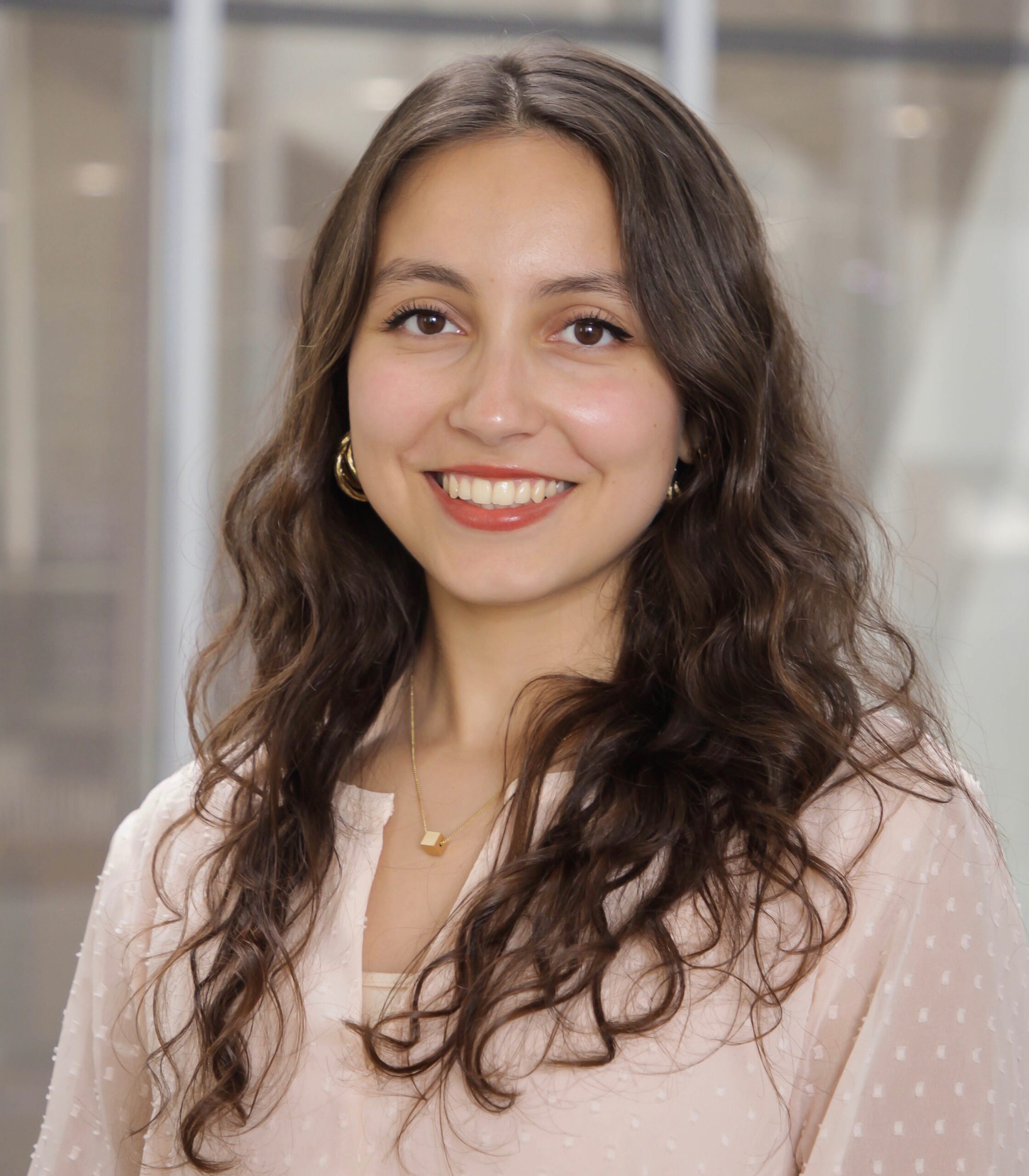
Suman Ali Sayed (Photo: Jessica Blaine Smith)
A Cuisine Shaped by Migration
Suman grew up in a diverse area of East Riffa, Manama. “The neighborhood community had Bahraini, Baloch, Yemeni, and Pakistani families,” she said. “We exchanged food during Ramadan and other celebrations.”
Home cooking evolved in its own way. Suman’s family had migrated from India in the early 1960s, and, over time, their meals came to reflect both their Indian heritage and the Bahraini traditions they had adopted. Friday lunches were comprised of daal (lentils) with al-shari (a type of sea bream commonly found across the Gulf), seasoned with loomi (black lime). For Suman, these adaptations are not departures from Bahraini cuisine but a reflection of how generations of South Asian migration have shaped local tastes and become woven into Bahrain’s culinary identity through families, workers, and neighborhood communities.
She cites matai, a savory wheat and nut mix commonly served with tea in Bahraini homes, and aloo basheer, a potato samosa served with a spiced chickpea curry, as examples of how these ingredients found their way into local kitchens.
“This amalgamation – something borrowed from another culture and adapted to a new country – is exactly what Bahraini, or khaleeji, cuisine is,” Suman said.
The same ethos shapes her work with House of Khaleej in Toronto. After working through the ranks in kitchens across Bahrain, Jordan, and Canada, Suman started her own culinary venture. Through culinary projects like pop-ups, collaborations, and catered events, Suman brings Bahraini food and traditions to Canadian and global audiences. At a recent pop-up, for example, Suman served chicken tikka marinated in black lime and a machboos bowl featuring chicken marinated in baharat (a blend of warm spices commonly used in Gulf cooking), topped with crunchy chaat (Indian-style snack mix), chutney, and shug, a Yemeni-style hot sauce made with chilies, cilantro, and garlic.
In the James Beard Foundation Award-nominated documentary series “From the Wild,” Suman brought her Bahraini culinary background to the Canadian wilderness, where chefs hunt, forage, and cook with ingredients sourced from the land. She prepared deer meat kebabs over an open fire, combining Canadian wild game with flavors and techniques from her culinary tradition. She also recently launched a spice line featuring Bahraini ingredients.
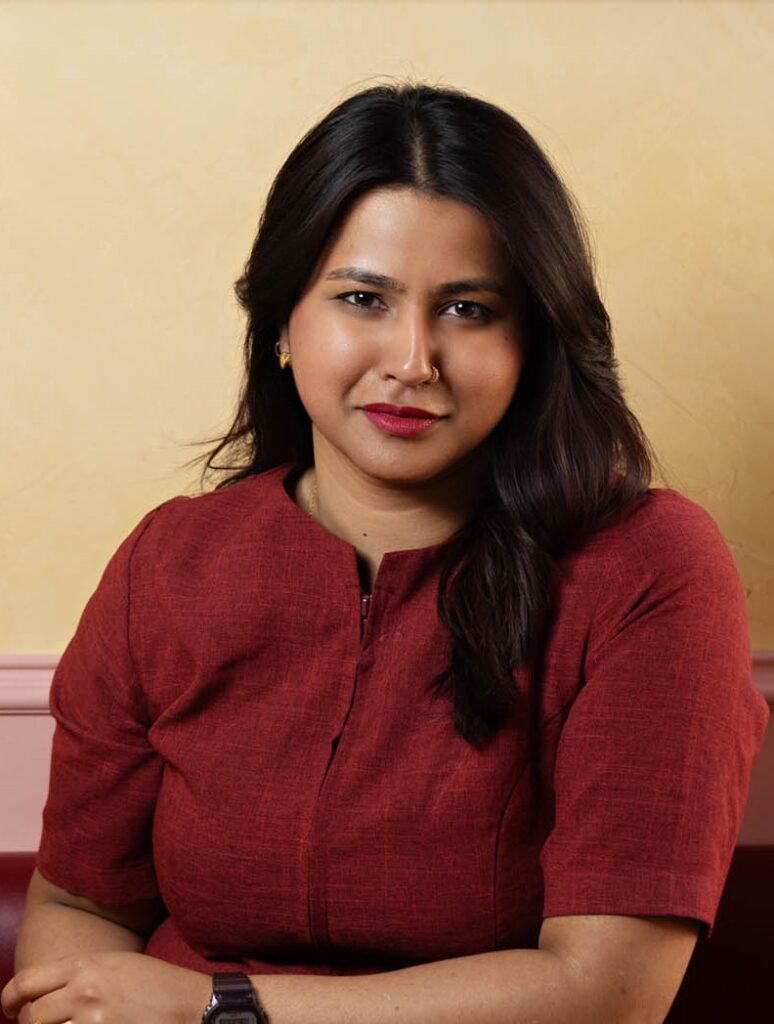
Dona Murad. (Courtesy Dona Murad)
Making Space for Bahraini Cuisine
Dona Murad describes herself as a third culture kid who was born to Bahraini and Indian parents and grew up in Bahrain. Her connection to the kitchen began at home, where watching her mother and grandmother cook gave Dona an early appreciation for the time, skill, and dedication that go into making good food. “These experiences shaped the way I think about food,” Dona said. It is “constantly evolving through migration, trade, and shared experiences.”
In 2015, Dona founded Hopscotch Bakery and Café and, later that year, Grind Micro Roastery in Manama. Her businesses were born partly from a gap she had noticed in Bahrain. “Many of my friends would travel to major cosmopolitan cities,” she said, and there, they would “seek out” the coffee culture. After years of building a bakery and coffee business in Bahrain, Dona eventually took that experience to New York City, the hometown of her husband, restauranteur Andre Gerschel.
During their time in the city, the couple noticed that khaleeji food had little presence in New York’s culinary landscape. “While Middle Eastern food was often represented through Levantine or Turkish cuisine, Bahrain and the Gulf were largely absent from the conversation,” she said.
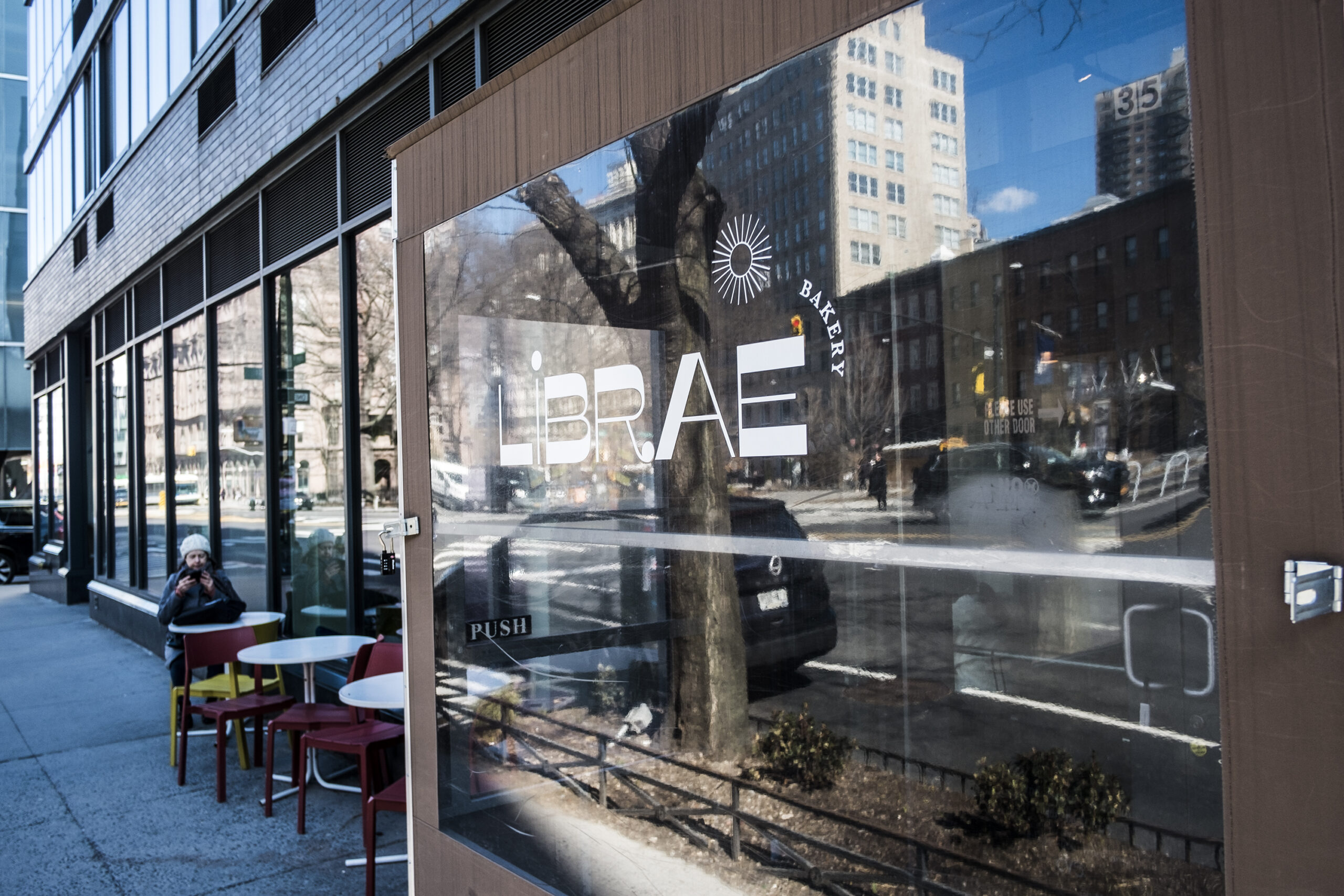
That realization led them to open Librae Bakery in 2022. Librae brings together the cultural influences that shaped the couple, combining Bahraini hospitality and Copenhagen baking techniques with New York’s café culture. At Librae, modern European pastry techniques are used to reinterpret ingredients, such as loomi, cardamom, saffron, rose water, and tahini. One example is its black lime curd babka, which puts loomi, traditionally used in savory dishes, into a sweet pastry. Dona said she enjoys the ingredient for its versatility and ability to work across both sweet and savory applications. “It has an incredible floral, citrusy acidity that works beautifully in baking,” she explained. The bakery also draws on Dona’s family food memories. Their date-filled pop tarts, for example, draw on a childhood memory of her grandmother cooking dates with milk powder and cardamom.
Looking Beyond “Middle Eastern”
Dona also sees her food as a way to introduce people to the lesser-known khaleeji cuisine. “One of the nicest things people tell us is, ‘I’ve never tasted anything like this,’” she said. Guests often ask about ingredients, such as loomi or mehyawa (a fermented fish condiment), and where those flavors come from. These conversations become an opening to talk about her home, a country many know little about. “Food makes people naturally curious, and suddenly they’re asking about a country they often aren’t familiar with,” Dona added.
Both Suman and Dona said that curiosity can also challenge the idea that Gulf food is all the same or that it can be reduced to a handful of familiar Middle Eastern dishes. Each Gulf country has its own culinary identity, with Bahrain’s cuisine shaped by its layered history.
For a generation of Gulf kids who grew up navigating different cultures and communities, food can be a way to stay connected to home while sharing those traditions beyond the region. Many Gulf cooks and chefs are reinterpreting familiar ingredients and flavors through new formats and techniques, allowing khaleeji food to evolve while remaining rooted in the places and memories that shaped it. This is happening as international diners become more interested in the distinct food cultures and histories behind broad regional labels.
For Bahraini cooks, chefs, and entrepreneurs, however, the motivation is more personal: It is about taking ingredients, flavors, and food memories from home and finding new ways to share them with people who may have never encountered them before.
The views represented herein are the author's or speaker's own and do not necessarily reflect the views of AGSI, its staff, or its board of directors.
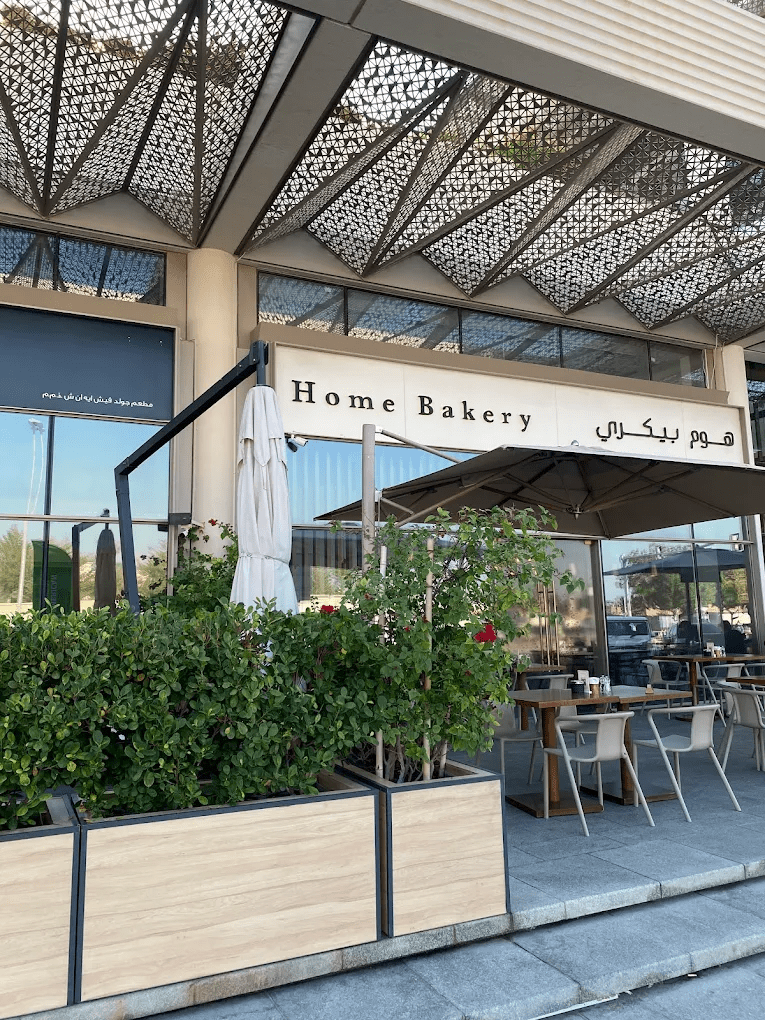
After building highly successful restaurants in the UAE and Saudi Arabia, Emirati pastry chef Hind Al Mulla plans to take the Home Bakery group global while providing a platform for other Emirati entrepreneurs.