The war is demonstrating that missile defense can blunt Iran’s strategy – but only if the United States and its regional partners ensure that their defenses can keep pace with the scale and speed of future conflicts.
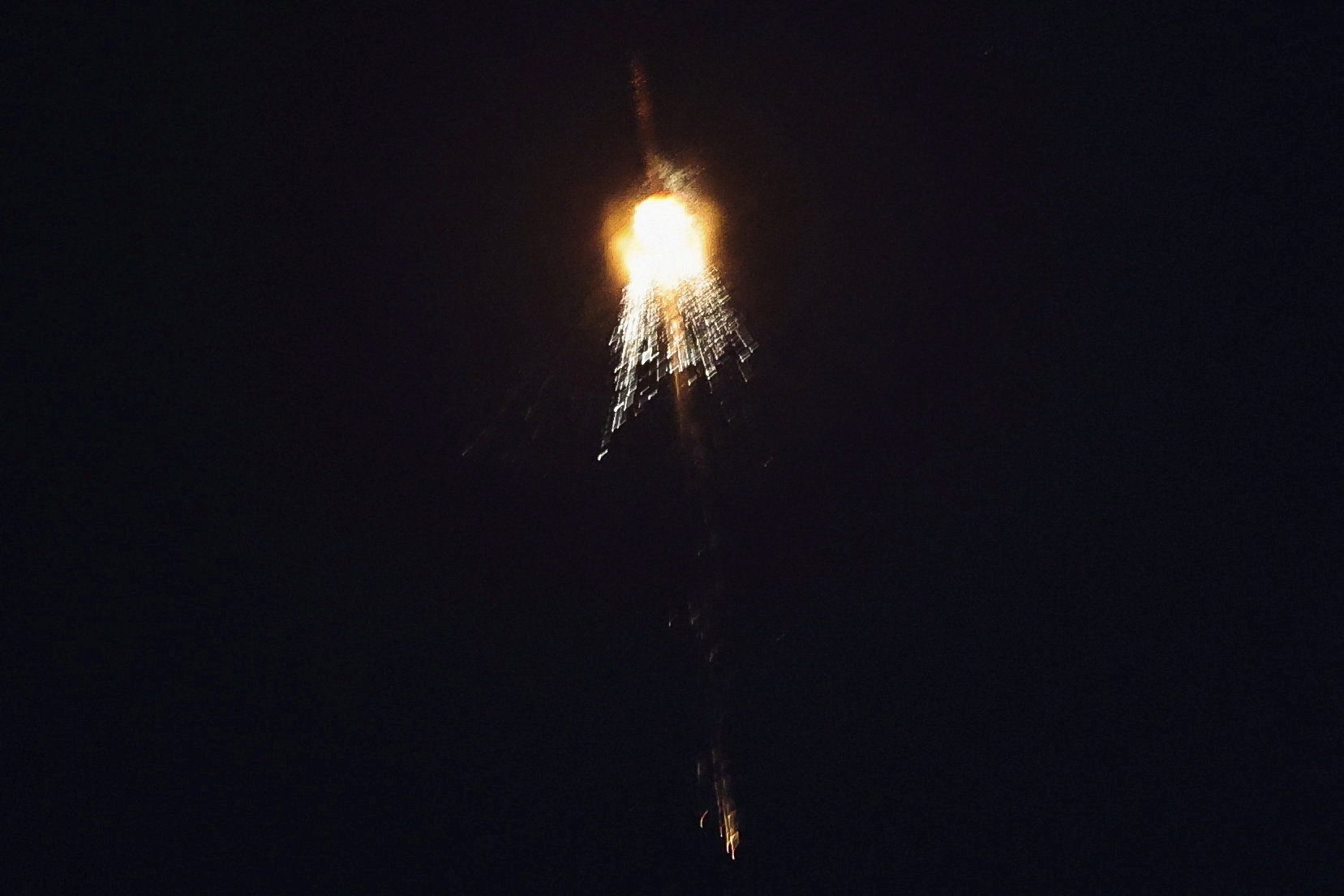
A missile is intercepted after Iranian missiles are launched, as seen from Doha, Qatar, February 28. (REUTERS/Saleh Salem)
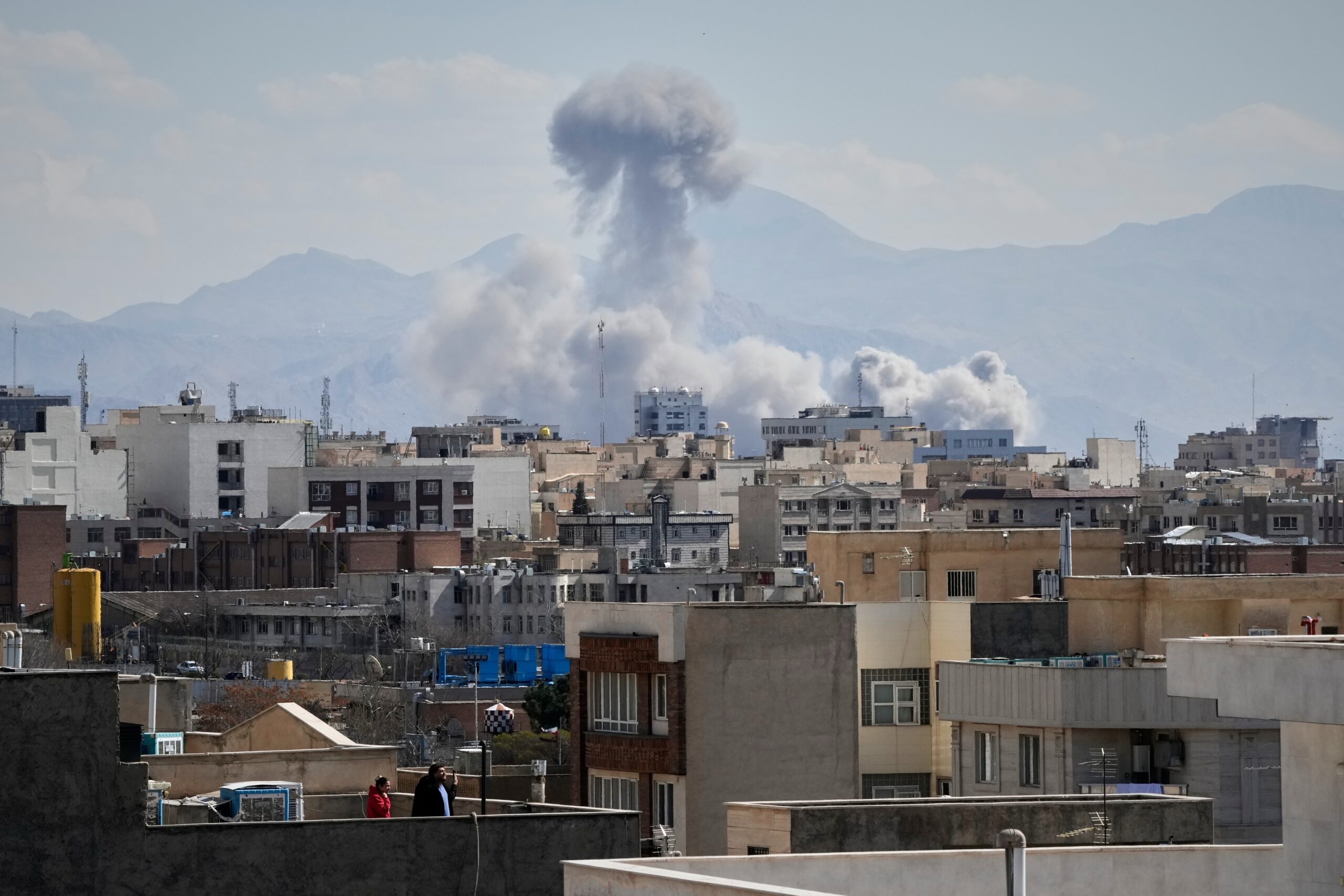
Over the past several weeks, in response to sustained Israeli and U.S. strikes against its military and nuclear facilities, Iran has launched thousands of drones and ballistic missiles against Israel, Iraq, Jordan, the Gulf Arab states, and U.S. military facilities across the region. At the same time, Iran has effectively closed the Strait of Hormuz to commercial shipping, threatening one of the world’s most critical energy chokepoints. The strategic logic behind these attacks is clear. Iran’s leadership is attempting to place political pressure on regional governments – particularly the Gulf Cooperation Councilstates – in hopes that they will push Washington to end the war on terms favorable to Tehran.
Yet despite the scale of these attacks, Iran’s missile and drone campaign has so far achieved only limited success. Preliminary assessments from the U.S. Department of Defense and several Gulf ministries of defense indicate that U.S. and partner air and missile defense systems have intercepted roughly over 90% of incoming Iranian drones and missiles. Meanwhile, U.S. and Israeli strikes have destroyed significant numbers of Iranian ballistic missile launchers and related infrastructure.
The war is still ongoing, and its ultimate outcome remains uncertain. But one conclusion is already clear: Iran’s attempt to use drone and missile attacks to coerce its Gulf neighbors into pressuring Washington has largely failed – due in large part to effective U.S. and GCC air and missile defenses.
This raises several important questions:
What factors led the Gulf states to invest so heavily in air and missile defenses?
How have those systems performed in the current war?
And what lessons should the United States and its regional partners draw for the future?
The Strategic Shock of the First Gulf War
If there was a single moment that shaped strategic thinking about missile warfare in the Gulf, it was the 1991 U.S.-led coalition war to expel Saddam Hussein’s Iraqi forces from Kuwait. Facing the overwhelming military power of the United States and its coalition partners, Saddam Hussein recognized that Iraq had little chance of defeating coalition forces in a conventional fight. Instead, his strategy focused on breaking the political cohesion of the coalition.
The most effective way to do this was to bring Israel into the conflict. To accomplish this goal, Iraq began launching Scud ballistic missiles against Israeli cities shortly after coalition air operations began in January 1991. The attacks immediately created enormous pressure on Israeli Prime Minister Yitzhak Shamir to retaliate. Had Israel responded militarily, there was a real risk that Arab members of the coalition would have withdrawn their support for the war.
To prevent this outcome, the United States deployed early versions of the Patriot air and missile defense system to Israel. While later analyses questioned the Patriot’s technical performance against Scud missiles, its strategic effect was undeniable. Combined with coalition air operations targeting Iraqi missile launchers – the so-called “Scud hunt” – the deployment helped prevent Israeli intervention and preserved the coalition.
Iraq also launched missiles against Gulf states, including Saudi Arabia and Bahrain, causing casualties among coalition forces and demonstrating the vulnerability of regional states to missile attack.
Diverging Lessons From the Gulf War
The first Gulf War left a profound impression on both Iran and the GCC states – but they drew very different lessons.
For Iran, the lesson was straightforward: If it ever faced direct conflict with the United States, it could not win a conventional military confrontation. Instead, Tehran would need to rely on asymmetric capabilities designed to exploit perceived U.S. vulnerabilities. Over the following decades, Iran invested heavily in: proxy forces, such as Hezbollah and regional militias; naval capabilities designed to disrupt shipping in the Strait of Hormuz; large inventories of short- and medium-range ballistic missiles; and, more recently, low-cost drones, including the Shahed family of systems. These drones – often costing roughly $25,000 to $40,000 each – are intended to overwhelm missile defenses through sheer volume.
For the United States and its Gulf partners, however, the lesson was the opposite. The Scud attacks demonstrated that effective missile defenses would be essential to protecting military forces, cities, and critical infrastructure. As a result, the United States invested heavily in the development of new theater missile defense systems, including: improved Patriot (PAC-3) interceptors; the Terminal High Altitude Area Defense system; and the Aegis Ballistic Missile Defense system with its Standard Missile-3 and Standard Missile-6 interceptors.
The Gulf states followed suit. Beginning in the mid-1990s, Saudi Arabia, the United Arab Emirates, Kuwait, and Qatar began purchasing advanced Patriot systems, and Saudi Arabia and the UAE later acquired the THAAD system, providing them with a layered defense capable of protecting major population centers and strategic facilities.
Building Regional Missile Defense Cooperation
Beyond individual weapons purchases, U.S. policymakers increasingly recognized the importance of integrating regional air and missile defenses. The logic of integration is straightforward: By sharing radar data and operational information, countries can improve interception rates while reducing unnecessary interceptor launches – an important consideration when dealing with limited inventories.
However, prioritizing the exercise of sovereignty and political rivalries among Gulf states often proved to be greater obstacles than technical challenges. Recognizing this, the administration of President Barack Obama at the time launched a diplomatic push to improve cooperation, in which this author played a major role as assistant secretary of state.
Secretary of State Hillary Clinton laid the groundwork at the March 2012 U.S.-Gulf Security Forum in Riyadh, followed by Secretary of Defense Chuck Hagel’s call for greater missile defense integration at the 2013 Manama Dialogue, where he emphasized that a multilateral framework was the best path toward interoperable regional missile defense. These efforts culminated at the 2015 Camp David Summit between Obama and GCC leaders, where the parties committed to developing a regionwide ballistic missile early warning capability and conducting joint exercises to improve coordination.
By the end of the Obama administration, the basic building blocks for regional missile defense cooperation were in place. These efforts were largely continued by the administrations of Presidents Donald J. Trump and Joseph R. Biden Jr.
Dress Rehearsals
Recent regional conflicts provided important previews of how these systems might perform in a larger war. Saudi Arabia and the UAE have repeatedly used Patriot systems to intercept ballistic missiles launched by Houthi forces in Yemen, protecting both civilian infrastructure and military facilities. At the same time, the September 2019 Iranian attack on Saudi oil facilities at Abqaiq and Khurais exposed vulnerabilities in traditional missile defense systems, particularly against coordinated attacks involving cruise missiles and drones. The strikes temporarily knocked out roughly half of Saudi Arabia’s oil production and underscored the need to adapt missile defense systems to evolving threats.
These lessons were quickly incorporated into U.S. and allied doctrine. In April 2024, when Iran launched a large-scale missile and drone attack against Israel, a coalition of the United States, the United Kingdom, France, Jordan, and Israel intercepted the overwhelming majority of incoming threats. A similar outcome occurred during the June 2025 12-day war, when U.S. and Israeli air and missile defenses intercepted multiple Iranian drone and missile barrages targeting Israel. At the same time, U.S. Patriot batteries deployed in Qatar intercepted Iranian missiles aimed at U.S. forces. These engagements served as a preview of the much larger conflict unfolding today.
Missile Defense Effectiveness – and the Interceptor Inventory Challenge
The current war has demonstrated both the strengths and limitations of modern air and missile defenses.
On the positive side, U.S. and partner air and missile defense systems have performed remarkably well. The ability to intercept roughly 90% of Iranian missiles and drones represents a significant operational success and has prevented Iran from achieving its central strategic objective – coercing regional governments through missile and drone attacks.
However, the conflict has also highlighted a serious structural challenge: interceptor inventory shortages.
Iran’s strategy relies heavily on launching large numbers of relatively inexpensive drones and missiles. By contrast, many missile defense interceptors are extremely expensive and produced in relatively small quantities. For example, interceptors for systems such as the Patriot, THAAD, and Aegis can cost millions of dollars each, while Iranian drones may cost only tens of thousands of dollars. This cost imbalance creates a dangerous dynamic. Even if defenses successfully intercept the majority of incoming threats, defenders risk exhausting their interceptor inventories during a prolonged conflict. Indeed, in the current conflict, the rapid expenditures of THAAD interceptors has caused the United States to redeploy assets from the Indo-Pacific to the Middle East.
Concerns about interceptor shortages are not new. When this author served as a professional staff member on the House Armed Services Committee in 2007, Congress was already warning that missile defense interceptor inventories were falling short of operational requirements. Nearly two decades later, that concern remains unresolved.
Key Air Missile Defense Lessons
Several important lessons are already emerging from the war. First, sustained investment in missile defense has paid off. The Gulf states’ decades-long effort to build layered air and missile defense capabilities has dramatically reduced the effectiveness of Iranian missile and drone attacks. Second, regional integration matters. Information sharing and operational coordination among the United States, Israel, and Arab partners have significantly improved interception rates. Third, quantity matters as much as technology. Iran’s reliance on mass drone and missile attacks highlights the importance of ensuring sufficient interceptor inventories and developing more affordable defensive technologies.
For the Gulf states themselves, several policy priorities should follow from this conflict to improve missile defense. First, GCC members should accelerate efforts to create a truly integrated regional air and missile defense network capable of sharing real-time radar data and coordinating intercept operations across national boundaries. Second, Gulf governments should also invest more heavily in lower-cost counterdrone defenses – including electronic warfare systems, high-power microwaves, and directed-energy technologies – to address the growing threat posed by large numbers of inexpensive unmanned systems. Third, GCC states should explore partnerships with the United States and allied defense companies to expand regional production and sustainment capacity for missile defense systems, ensuring that interceptor inventories can be maintained during prolonged conflicts.
The conflict reinforces a broader strategic truth: Missile defense alone cannot win wars, but it can deny adversaries the ability to achieve political leverage through terror attacks and against population centers and critical infrastructure with ballistic missiles and drones.
Iran’s Campaign is Failing
For decades, Iran has built its military strategy around the belief that mass missile and drone attacks could intimidate its neighbors and force political concessions. The current war is putting that theory to the test – and so far, it is failing. Layered U.S., Israeli, and Gulf missile defenses have blunted Iran’s most important asymmetric weapon.
But success on today’s battlefield should not obscure the warning embedded in this conflict. Future wars are likely to involve even larger salvos of missiles and drones, launched at lower cost and in greater numbers than ever before. If the United States and its allies want to preserve the defensive advantage demonstrated in this war, they must expand interceptor production, invest in lower-cost defensive technologies, and deepen regional missile defense integration.
The war is demonstrating that missile defense can blunt Iran’s strategy of coercion – but only if the United States and its regional partners ensure that their defenses can keep pace with the scale and speed of future conflicts.
The views represented herein are the author's or speaker's own and do not necessarily reflect the views of AGSI, its staff, or its board of directors.
Caught between Iranian strikes and U.S.-Israeli pressure to join the fight, Gulf Arab states strive to maintain their autonomy over decision making, playing defense and preserving the space to maneuver when the war ends.
The “Make It in the Emirates” forum showcased how far the UAE’s growing defense manufacturing capabilities and ambitions have come – and how far they have left to go.