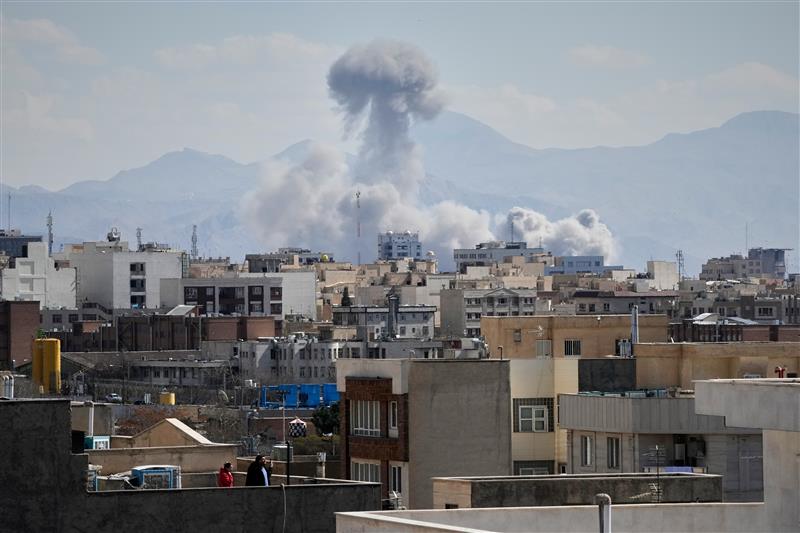
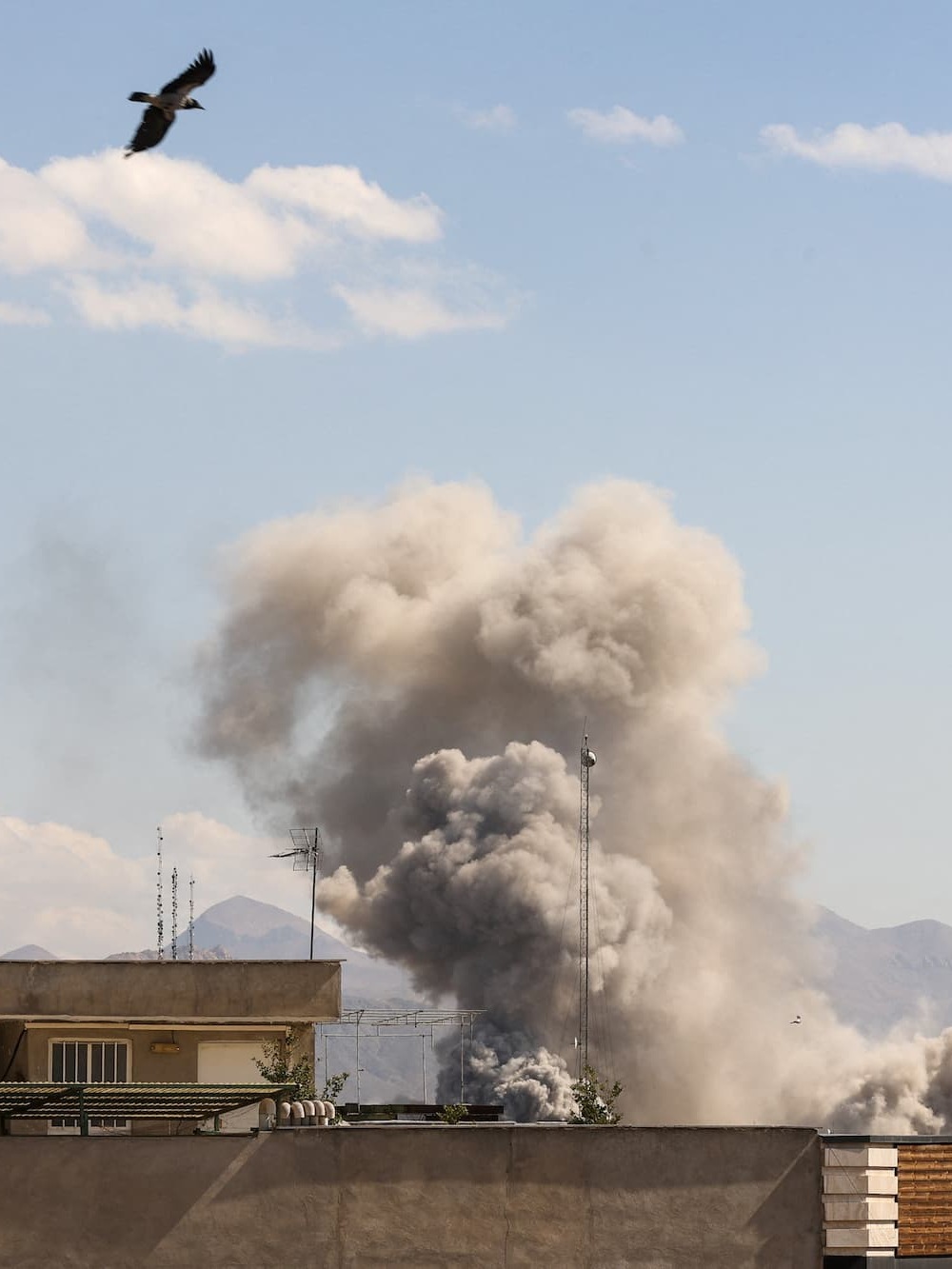
Gulf Arab countries urged the United States not to strike Iran, but now that is happening, they are in danger of being sucked into a conflict they cannot control but that will likely reshape their present and future realities.
The U.S.-Israeli attack on Iran has exposed Iraq’s structural fragilities: territorial permeability, economic monoculture, energy dependence, and politically mediated sovereignty.
Iran is signaling that it will not absorb attacks passively. But whether this strategy ensures the regime’s survival, seals its fate, or accelerates a broader catastrophe will shape the region for years to come.
With young Saudis continuing to enter their working age years in large numbers, robust employment gains need to continue, but slower non-oil growth may present a challenge.
Ayatollah Ali Khamenei was killed in his office in Tehran at age 86, leaving behind a country in ruins and on the verge of civil war and potential disintegration.
There was a growing war risk premium in the oil markets tied to escalating regional tensions; the shift from shadow confrontation to direct military action changes the calculus.
The erosion of the regime’s legitimacy across broad segments of society, combined with the breadth of the 2025-26 protest coalition, raises the possibility that a new confrontation could trigger renewed anti-regime mobilization.
From the Gulf to the eastern Mediterranean and North Africa, governments are recalibrating fiscal terms, monetization strategies, and partnership models to attract international players.