Blueprints for Autonomy: Turkey and the Gulf Partnership on Defense Industrialization
As the Gulf states pursue defense localization and seek to reduce dependence on the United States and Europe, Ankara offers cost-effective technology and a model of how to build capacity.
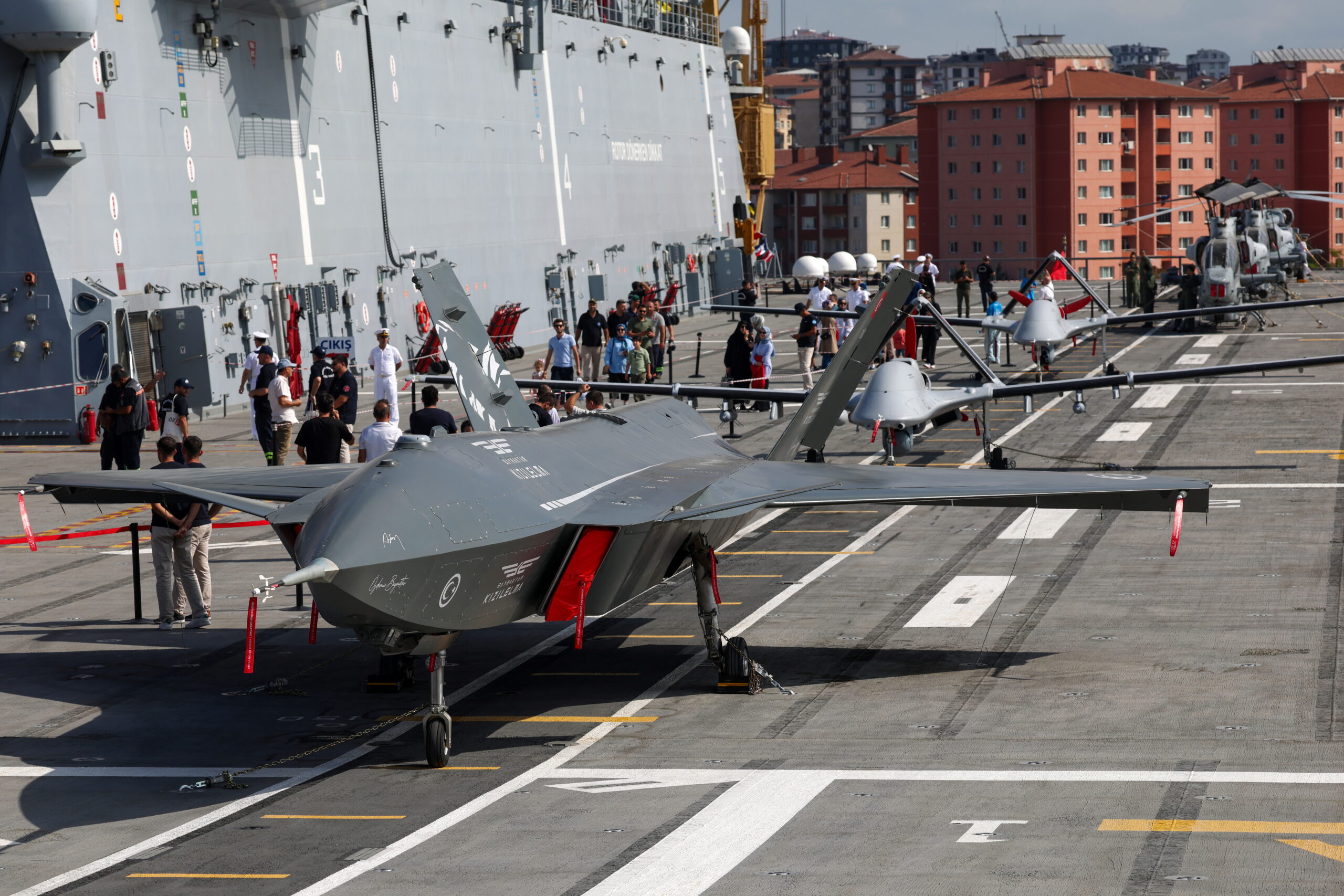
Kizilelma, an unmanned fighter aircraft developed by Turkish defense firm Baykar, stands on the deck of the TCG Anadolu, Turkey's first amphibious assault ship, during the Teknofest Blue Homeland event at the Naval Shipyard Command, in Istanbul, Turkey, August 29. (REUTERS/Murad Sezer)
The IDEF 2025 defense fair in Istanbul took place as regional security debates were intensifying in the aftermath of Israel’s September Doha attack and amid the continuing war in Gaza. With the display of armored vehicles, drones, and the new KAAN fighter jet, the exhibition showcased Turkey’s growing technological capacity and also its expanding role as a defense partner for the Gulf countries.
Over the past two decades, Turkey has moved from dependency to self-reliance in the defense sector. Through political will, sustained investment, and public-private collaboration, Turkey has built a diversified ecosystem in which state-owned firms and agile private companies compete and cooperate under the guidance of the Presidency of Defense Industries. The results are visible: a broad portfolio of indigenous systems, expanding export markets, and a growing network of co-production agreements across Asia, Africa, and the Middle East. This industrial rise has also altered Turkey’s regional posture, turning defense cooperation into a key instrument of foreign policy.
For the Gulf states, the appeal of a partnership with Turkey lies in a convergence of strategic and industrial objectives. As the Gulf states pursue defense localization and seek to reduce dependence on the United States and Europe, Ankara offers not only cost-effective technology but a model of how to build capacity within constrained political and financial environments. The readiness of Turkish firms to share their know-how, adapt their production, and establish joint ventures aligns with the Gulf’s drive toward diversification. In this sense, through its defense-industrial trajectory, Turkey has become a partner and is providing a blueprint for Gulf localization, linking industrial pragmatism with strategic autonomy.
Among Gulf states, the United Arab Emirates and Saudi Arabia have taken the lead in shifting from procurement-heavy to production-oriented defense sectors. Both have tied localization to strategic autonomy and economic diversification, yet they differ in institutional design, speed, and outcomes.
Turkey’s Defense Industry Model
Turkey’s transformation from a dependent arms importer to an increasingly autonomous producer is rooted in both strategic necessity and institutional design. The 1974 U.S. arms embargo following the Cyprus intervention exposed the vulnerabilities of dependence on Western suppliers. Over the following decades, Ankara built a defense ecosystem through state guidance, private entrepreneurship, and export orientation.
The creation of the Presidency of Defense Industries, originally as the Defense Industry Development and Support Administration in 1985, and the consolidation of firms under the Turkish Armed Forces Foundation gave coherence and financing to this effort. Successive governments, from Turgut Ozal’s liberalization to Recep Tayyip Erdogan’s state-driven modernization, turned the sector into a pillar of national industrial policy. The Presidency of Defense Industries now operates as a central coordinator for procurement, research and development funding, and technology transfer. At the same time, firms such as ASELSAN, HAVELSAN, Roketsan, Baykar, Turkish Aerospace Industries, and numerous small and medium enterprises populate an increasingly export-oriented ecosystem.
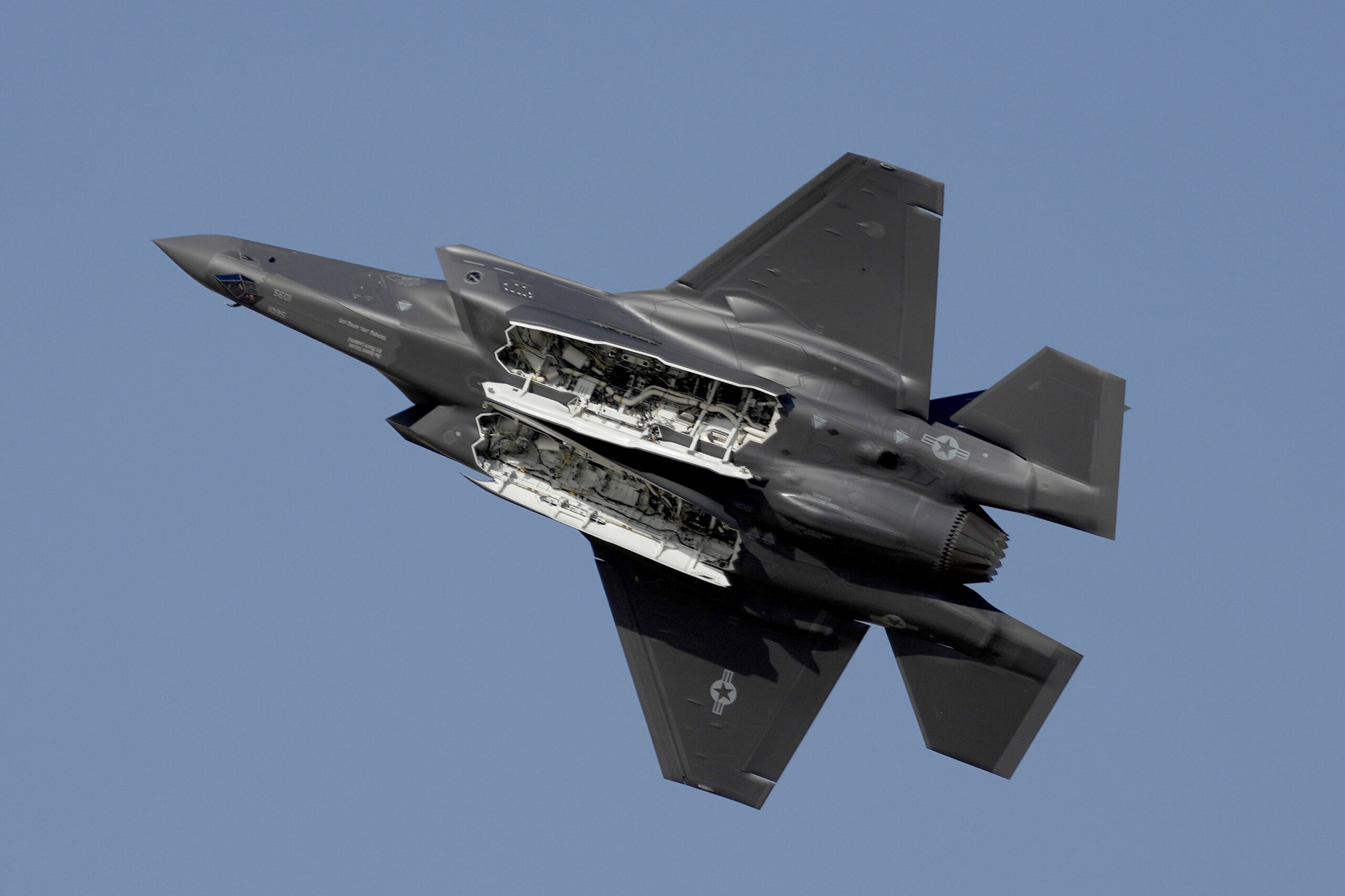
In 2019, the United States expelled Turkey from its F-35 program after Ankara decided to purchase and deploy the Russian-made S-400 air-defense system, which Washington viewed as incompatible with NATO security standards and a risk to the F-35’s sensitive technology. This accelerated investment in indigenous systems, including the KAAN fifth-generation fighter, Bayraktar unmanned aerial vehicles, the Altay tank, and new naval platforms. These flagship projects symbolize Turkey’s ambition to achieve strategic autonomy while remaining embedded in NATO’s technological ecosystem. In 2024, Turkey’s defense and aerospace exports reached approximately $7.1 billion – a 29% increase compared to 2023 – placing the country’s defense industry among the top exporters globally.
Unlike Western suppliers, which are bound by rigid export frameworks, Turkey emphasizes flexibility and partnership. Its co-production offers, offset agreements, and willingness to localize production resonate with partners seeking capability transfer rather than dependency.
Yet Turkey’s rapid ascent in defense production also carries structural and strategic vulnerabilities. The sector’s dependence on public financing and political patronage raises concerns about transparency, accountability, and long-term sustainability. Export growth relies heavily on markets exposed to conflict volatility or Western export restrictions, such as the Gulf, North Africa, and Central Asia. Moreover, localization often masks enduring dependencies on imported components, software, and critical technologies, leaving key projects – like the KAAN fighter or Altay tank –susceptible to supply-chain disruptions. Finally, the increasing militarization of industrial policy risks conflating national prestige with commercial viability, creating incentives for overexpansion and reduced oversight.
The UAE Case: From Importer to Innovator
The UAE’s defense sector over the last two decades has demonstrated notable success in moving from dependency on foreign arms to developing a technologically advanced domestic industry. In the early 2000s, the UAE was still making large-scale acquisitions from Western suppliers, including high-end platforms such as the United States’ F-16 jet and France’s Leclerc tanks. These purchases, driven by security concerns over Iran, reflected an import-based model typical of Gulf defense procurement.
Faced with regional volatility during the 2011 Arab Spring uprisings, Abu Dhabi began to view defense industrialization as both a means of ensuring military self-reliance and as a pillar of economic diversification. UAE Vision 2021 and National Defense Strategy 2023 emphasized technological sovereignty and innovation, laying the foundations for an integrated defense ecosystem. The decisive turning point came in 2019 with the creation of EDGE Group, a state-owned conglomerate that brought together more than 25 entities under one umbrella. With revenue of roughly $5 billion in its first year, EDGE became the centerpiece of a wider national framework that includes the UAE’s Fourth Industrial Revolution (4IR) Strategy, Operation 300bn, and the Tawazun Council, which manages offsets and enforces local content requirements of up to 60%.
By the early 2020s, the UAE had shifted from buying weapons platforms to mastering the technologies behind them – data, software, artificial intelligence, and integration systems. This transition was accelerated by the Houthi drone attack on Abu Dhabi in 2022 and by lessons from Ukraine and Gaza, which underscored the need to invest in AI-driven unmanned and counter-UAV systems. Subsidiaries such as ADASI (autonomous systems), HALCON (precision-guided munitions), and SIGN4L (electronic warfare) positioned EDGE at the forefront of the future battlefield, while acquisitions of Estonia’s Milrem Robotics and Switzerland’s Anavia embedded advanced design capabilities into Emirati research and development.
EDGE’s rise has been both commercial and strategic. In 2024, the company generated $4.9 billion in contracts, including $2.1 billion in exports – a threefold increase from the previous year. Its $2.45 billion FALAJ-3 missile boat contract with Kuwait in June was the region’s largest shipbuilding export deal. And manufacturers such as NIMR and Calidus have been showcasing modular platforms, including the Wahash 8×8 APC and B-250 aircraft, integrating Turkish and European components. The UAE has also built one of the most advanced counter-drone architectures in the Global South, featuring AI-enabled systems, such as the SkyKnight missile and REACT electronic systems.
This momentum has elevated Abu Dhabi into the ranks of emerging defense exporters. According to SIPRI data, the UAE accounted for 5.3% of the Middle East and North Africa’s arms exports from 2020-24. This is a notable achievement for a country long viewed mainly as an importer, in an arms export market dominated by Israel and Turkey. And EDGE has expanded its presence across Asia, Latin America, and Africa, accounting for roughly one-third of the UAE’s defense exports.
Saudi Arabia: Defense Industrialization as Strategic Bargain
Saudi Arabia’s defense industrialization has become a main component of Vision 2030, designed to convert military spending into a driver of diversification and sovereignty. Riyadh has pledged to localize 50% of defense procurement by 2030, creating two institutional pillars: the General Authority for Military Industries as regulator and enabler and Saudi Arabian Military Industries as the primary production and integration arm.
Defense remains a fiscal heavyweight, with the 2025 budget allocating $72.5 billion – about 21% of total spending – to the sector. Under the General Authority for Military Industries’ Industrial Participation Policy, any contract estimated over 150 million Saudi riyals ($40 million) must dedicate up to 60% of its value to local firms, helping raise localization from 4% in 2018 to nearly 20% in 2024. Yet the pace has slowed, reflecting structural limits in skilled labor, research and development absorption, and reliance on imported subsystems. Frustration within the royal leadership has grown as local content targets have fallen short of expectations, with several senior reshuffles in mid-2025 exposing tension between vision and delivery.
Ultimately, Saudi localization operates more as a strategic bargaining tool than a quest for full self-reliance. By embedding foreign prime contractors within its industrial networks and offset rules, Riyadh converts dependency into negotiation leverage, asserting political and economic control while signaling credibility to investors and allies. Inspired in part by the UAE’s EDGE model, the kingdom’s localization drive aims not to achieve autonomy but to maintain strategic room to maneuver – a recalibration of power that strengthens Saudi Arabia’s hand in a more multipolar defense order.
Turkey-GCC Joint Ventures and Emerging Defense Synergies
Over the past five years, Turkey and its Gulf partners have transformed competition into cooperation. What began as a cautious political rapprochement has matured into defense-industrial diplomacy linking technology, trade, and security.
The deepening defense-industrial engagement between Turkey and the Gulf has become one of the clearest expressions of the region’s shift from arms importation to co-production. Over the past three years, Ankara has established structured partnerships with the UAE’s EDGE Group and Saudi Arabia’s SAMI, bringing Turkish engineering capacity to help meet the Gulf’s localization and diversification goals.
Early cooperation between Turkey and the UAE focused on technology integration across air and unmanned systems. EDGE and Baykar partnered to integrate Emirati sensors and targeting payloads into the Bayraktar UAV family, while Calidus Aerospace and ASELSAN collaborated on the design of advanced cockpit displays for the B-250 light attack aircraft. EDGE and TAI also signed a memorandum of understanding to incorporate Emirati payloads into intelligence, surveillance, and reconnaissance platforms and the KAAN fighter, combining Emirati strengths in avionics with Turkish production expertise. These programs – supported by EDGE’s global acquisitions in defense tech – created new synergies in AI, mission control, and precision-guided weapons.
At IDEF 2025, cooperation entered a new phase with the launch of KEY4, a joint venture between EDGE and Turkey’s Pavo Group, headquartered in Abu Dhabi. KEY4 is a platform for joint research, development, and export-oriented production in AI, cybersecurity, cryptography, electronic warfare, and smart surveillance. The initiative complements the broader partnership between EDGE and SAHA Istanbul, which connects over 1,000 Turkish defense firms through the MALATH coordination framework established to streamline bilateral supply chains and co-production programs.
In parallel, Saudi-Turkish defense cooperation has gained steady momentum. In July 2023, SAMI and Baykar signed a landmark agreement for the local production of Bayraktar Akinci UAVs in Turkey’s largest-ever defense export contract. As part of the deal, up to 70% of each UAV will be produced in the kingdom, with the National Company for Mechanical Systems, ASELSAN, and Roketsan handling systems integration, electro-optics, and guidance kits. Through the partnership, Riyadh aims to accelerate the absorption of technology and expand local assembly beyond basic maintenance tasks.
In July 2025, SAMI signed technology-transfer agreements with Nurol Makina, FNSS, and ASELSAN to localize production of 4×4, 6×6, and 8×8 armored vehicles and turrets. Manufacturing will take place at the SAMI Land Industrial Complex, an AI-enabled facility scheduled to open in late 2025. Meanwhile, discussions have continued over Saudi Arabia’s participation in the KAAN fifth-generation fighter jet program, following multiple visits between Defense Minister Khalid bin Salman and Haluk Gorgun, head of the Presidency of Defense Industries.
Together, these initiatives illustrate a shared calculus: Turkey provides combat-tested systems, modular design, and adaptable licensing, while the Gulf contributes capital, infrastructure, and long-term market demand. The result is a pragmatic form of industrial interdependence – one that replaces procurement with partnership as the core mechanism of defense relations.
This cooperation also carries growing strategic weight. Following Israel’s September Doha attack, Turkey and GCC states intensified consultations on regional defense integration, reflecting a broader understanding that industrial cooperation has become as strategic as it is technological. Together, these dynamics embody what Turkish analysts describe as a “New Horizons” approach: engaging the Global South to expand autonomy while maintaining a functional relationship with the West. For Gulf states, collaboration with Turkey provides rapid access to affordable technology and operational expertise. For Ankara, it offers new markets, political influence, and validation of its industrial model.
Challenges nonetheless persist. Technology-transfer sensitivities, intellectual-property disputes, and uneven production capacities could slow progress, while political volatility on both sides may test the resilience of cooperation. Yet the underlying exchange – localization for the Gulf and strategic autonomy for Turkey – continues to bind the two sides. As Turkey evolves from client to competitor in the global defense market, its partnership with Gulf states will determine whether this industrial convergence becomes a durable pillar of the emerging Middle Eastern security order or remains a pragmatic alignment shaped by shifting crises.
The views represented herein are the author's or speaker's own and do not necessarily reflect the views of AGSI, its staff, or its board of directors.
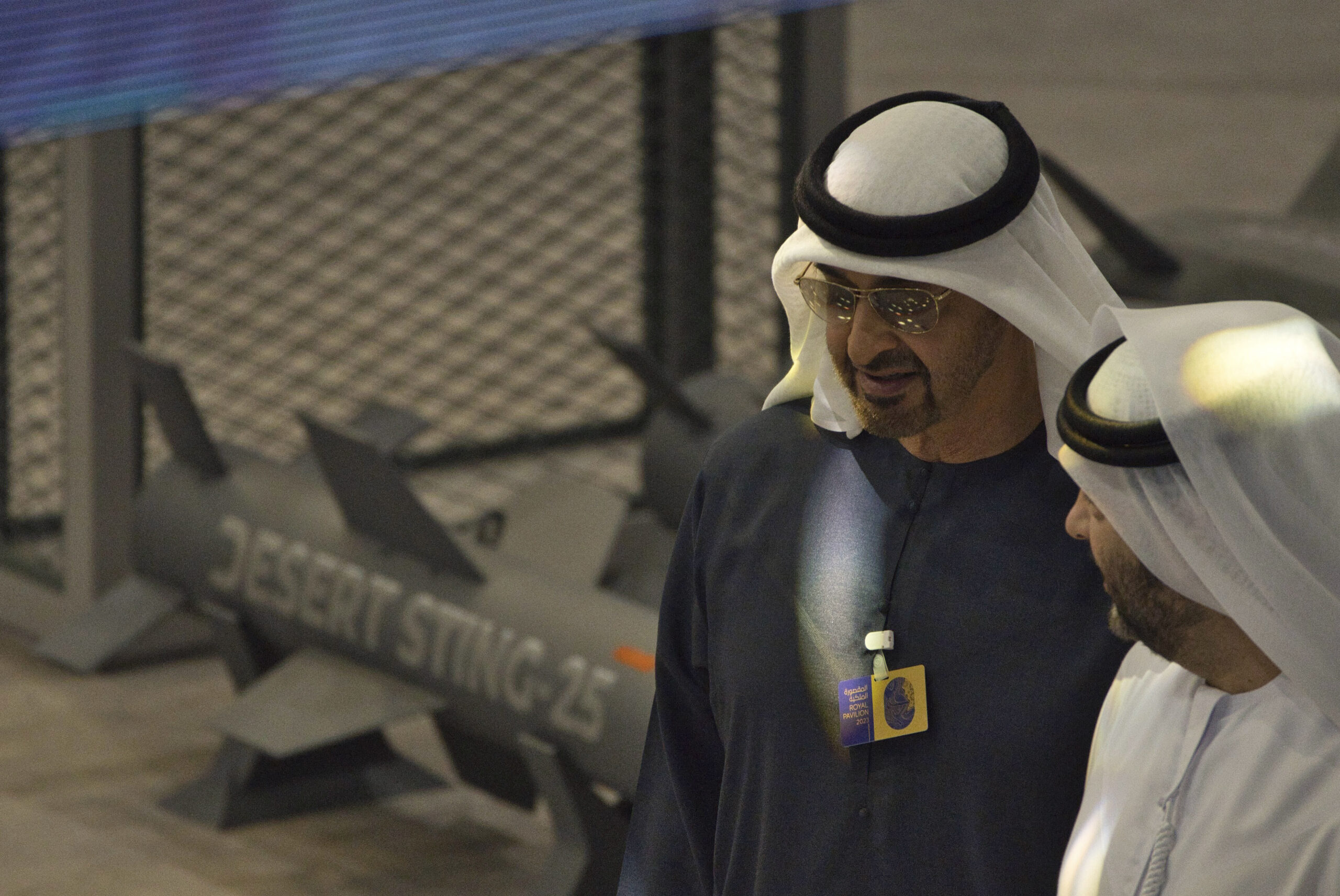
The “Make It in the Emirates” forum showcased how far the UAE’s growing defense manufacturing capabilities and ambitions have come – and how far they have left to go.
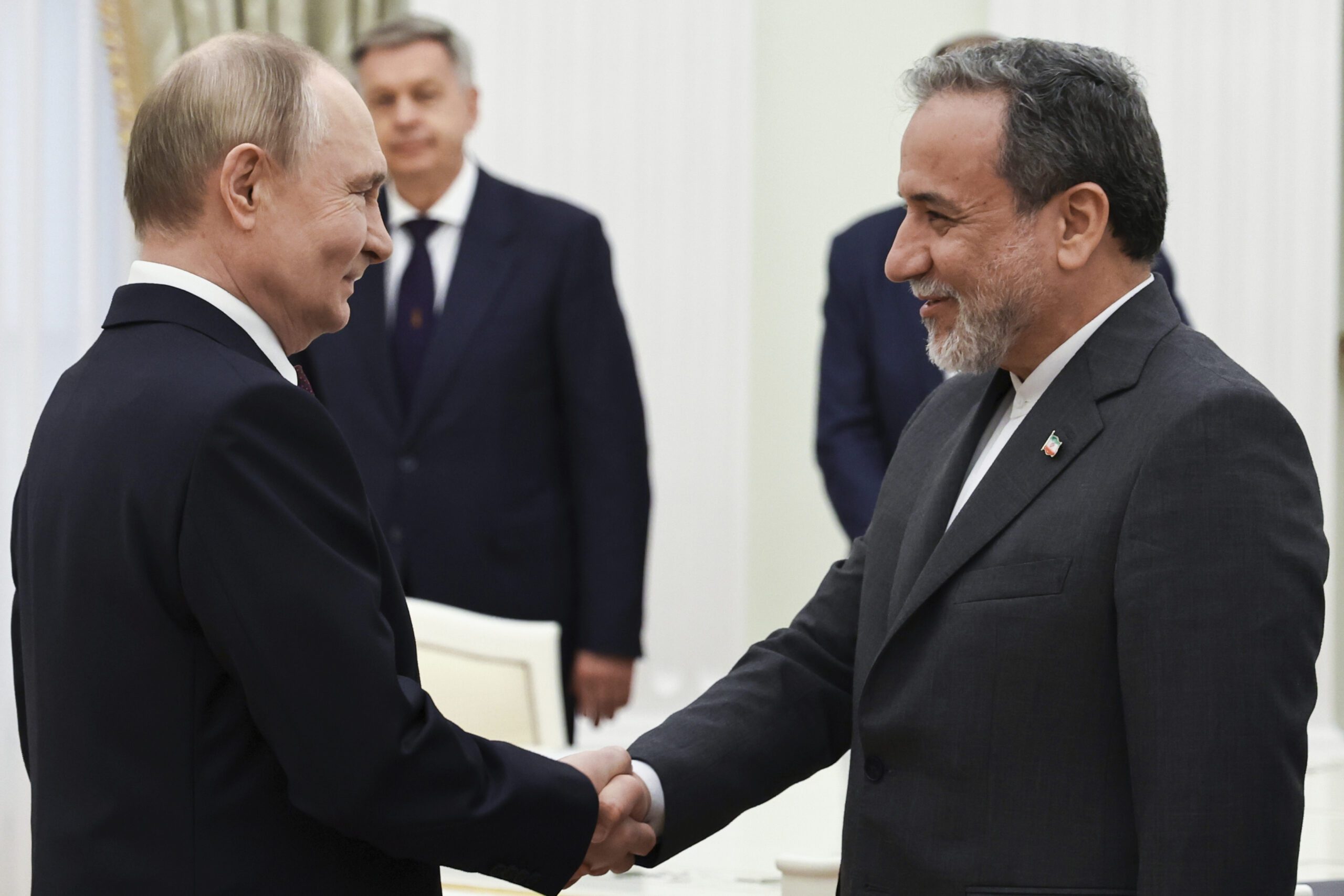
Moscow relied on Iranian drones in Ukraine. Now that the situation is reversed, will Russia help Iran rebuild its deterrence after Israel’s deep strikes?
Artificial intelligence is entering the Yemen conflict through weapons engineering and U.S.-supported targeting operations, extending a regional transformation accelerated by the war with Iran.
As Iranian strikes exposed structural gaps, Gulf states are expanding their air defense architecture through new suppliers, lower-cost systems, and operational partnerships.
Moscow relied on Iranian drones in Ukraine. Now that the situation is reversed, will Russia help Iran rebuild its deterrence after Israel’s deep strikes?
As Tehran and Moscow deepen their nuclear and space technology collaboration, concerns over dual-use applications and regional security implications grow.