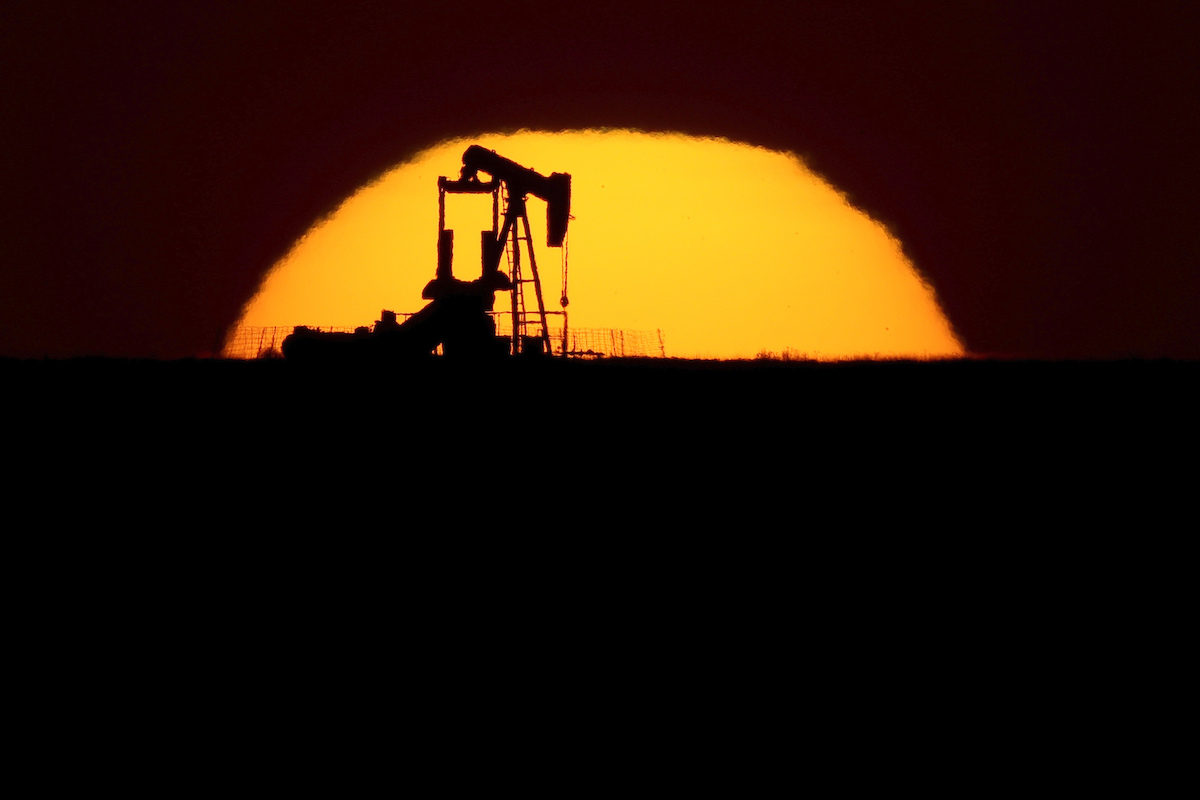
An idle oil pumping unit is silhouetted against the setting sun in a field south of Oakley, Kansas, May 20. (AP Photo/Charlie Riedel)
Executive Summary
The coronavirus pandemic sparked the sharpest energy demand drop in history in early 2020 as a global health crisis tipped the world economy into recession. Billions of people were ordered into full or partial lockdowns by their governments in a bid to control the spread of the virus. Supply chains were disrupted, and offices, factories, and businesses were forced to shut down, leading to massive job losses. Trillions of dollars in fiscal stimulus packages have been pledged by countries, many of which are presented as “green recovery” plans that tighten environmental policies. The European Union has pledged to become a net-zero zone by 2050, while China has set a 2060 target to attain carbon neutrality. International oil companies are in the process of reinventing themselves as clean energy champions with BP, Eni, Total, Shell, and many of their peers announcing plans to decarbonize their businesses.
Regardless of when the global economy returns to growth and what shape the post-pandemic recovery takes, the crisis has exacerbated existing weaknesses in the energy system and may have a far-reaching impact on future demand for fossil fuels as a result of structural changes driven by the climate change agenda. The percentage share of fossil fuels in final energy consumption has been in decline for nearly two decades due to fuel switching, particularly in the electricity sector, where renewable energy has been growing rapidly as costs have declined. All this has led to predictions that oil demand is on the verge of peaking or may already have peaked in 2019, according to the latest BP Energy Outlook.
All these developments will have extensive implications for the oil-producing Gulf Arab states, where revenue from oil and gas exports remain the single largest source of income. Economic diversification is still at an early stage and the Gulf states face the challenge of preserving their role as energy suppliers to a new market system that is more competitive and diverse. The way forward is to decarbonize their oil and gas assets by using existing technologies that can strip harmful carbon and methane emissions and export cleaner products that are acceptable to a more environmentally conscious consumer base. Yet this does not preclude the need to further diversify their economies sooner rather than later as the writing is already on the wall.
This paper is the scene setter for the 2020 Petro Diplomacy conference. For the sixth consecutive year, AGSIW convenes its Petro Diplomacy conference, this year virtually, bringing together private and public sector stakeholders from the United States and the Gulf Arab countries to discuss emerging trends in energy markets and regional politics.
The views represented herein are the author's or speaker's own and do not necessarily reflect the views of AGSI, its staff, or its board of directors.
As part of the sixth annual Petro Diplomacy conference, Wilkinson discussed the ongoing energy transition and the impact of the coronavirus pandemic on energy producers.
Petro Diplomacy is a signature annual event in Washington, DC bringing together private and
public sector stakeholders from the United States and the Gulf Arab countries to discuss emerging
trends in energy markets and regional politics.
Saudi Arabia’s ability to maintain its reputation as a reliable supplier in the months ahead will depend on how quickly it can repair damaged assets and keep several imperfect routes operating at the same time.
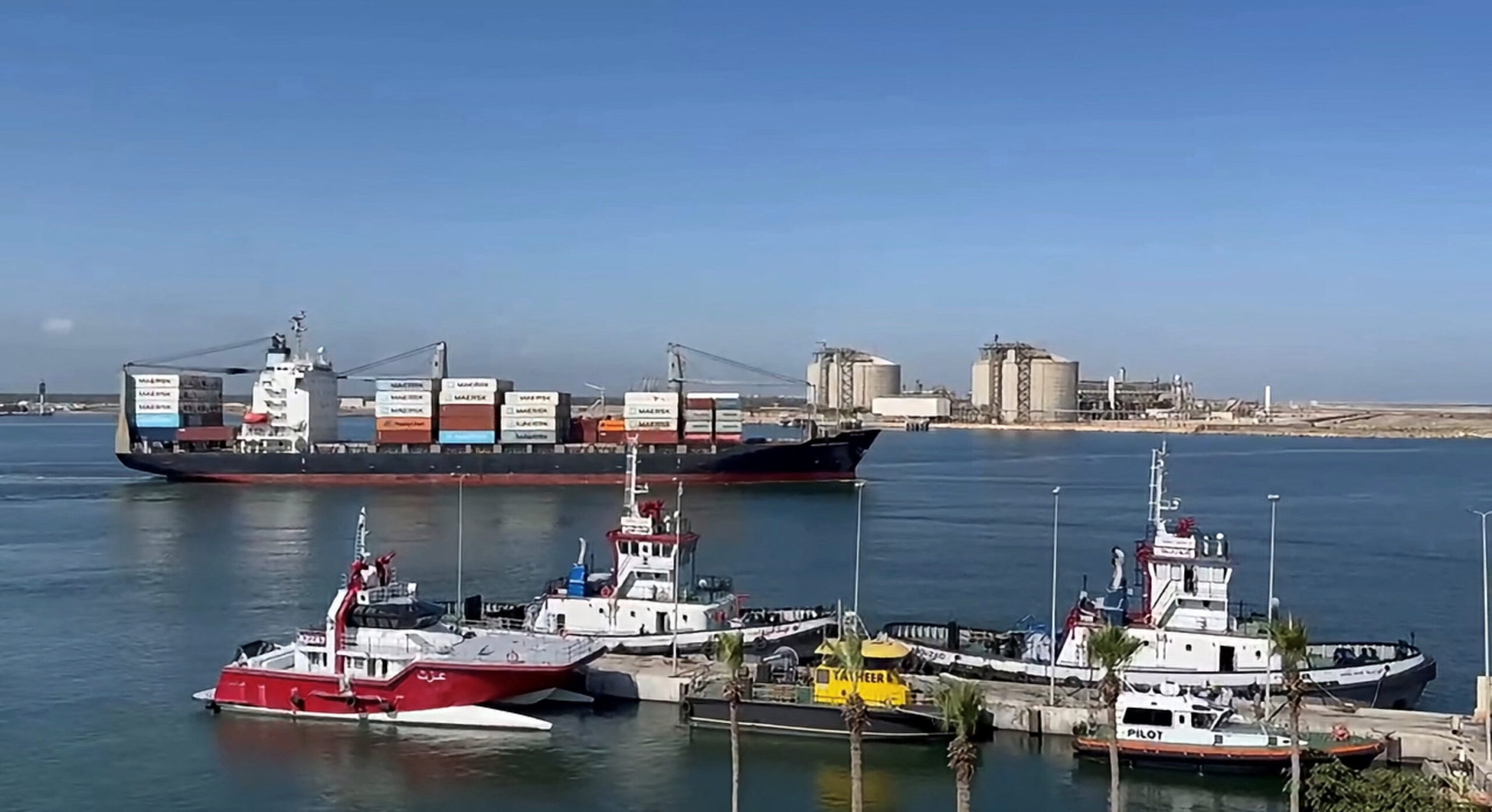
Egypt has become the indispensable transit state linking Saudi Arabia's Red Sea infrastructure with global markets. But that strategic importance may also have exposed it to the same risks facing Gulf producers.
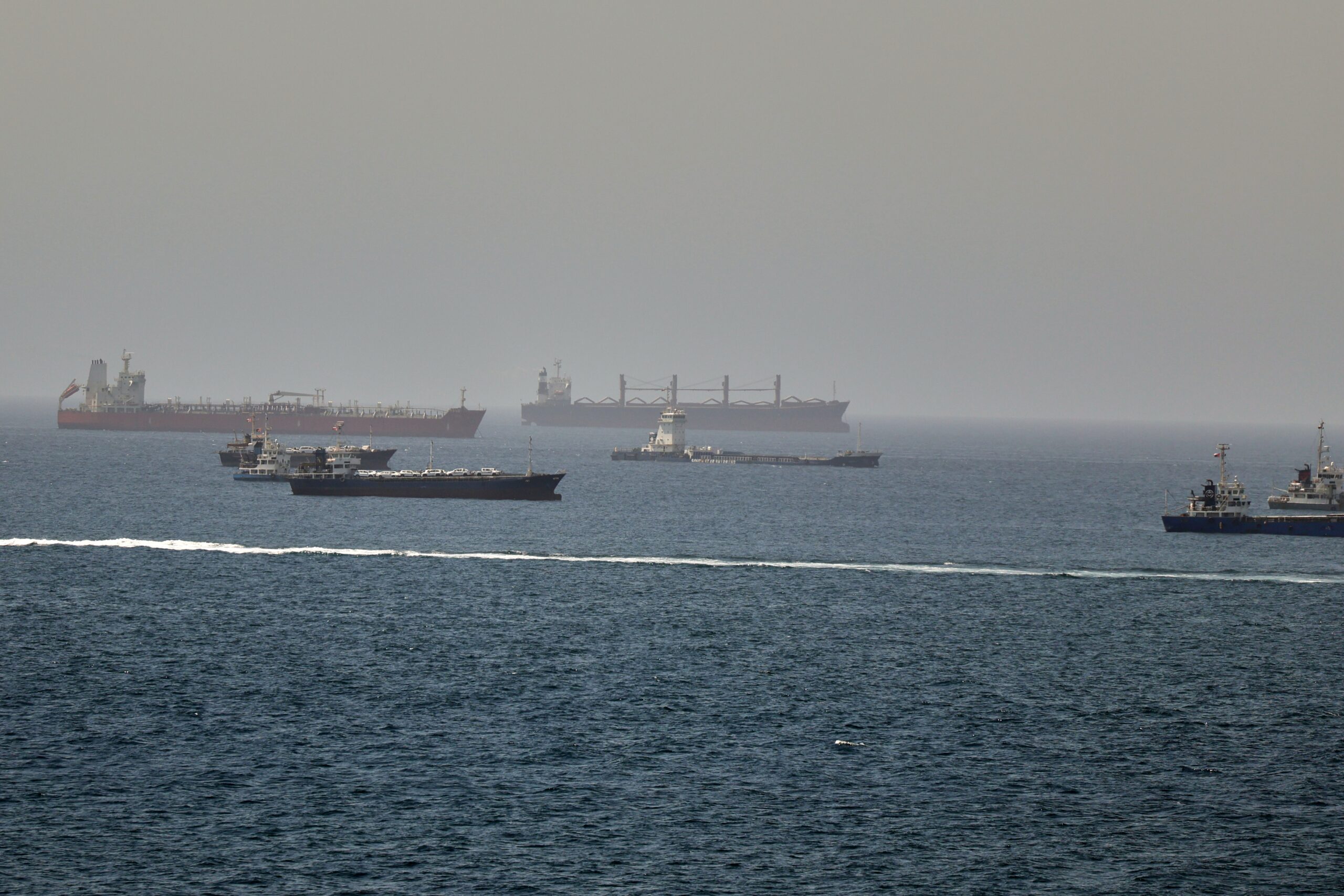
The vulnerability of the world's most important energy chokepoint has been laid bare, setting in motion changes that are likely to outlast the conflict.