Qatar
Mar 18, 2026
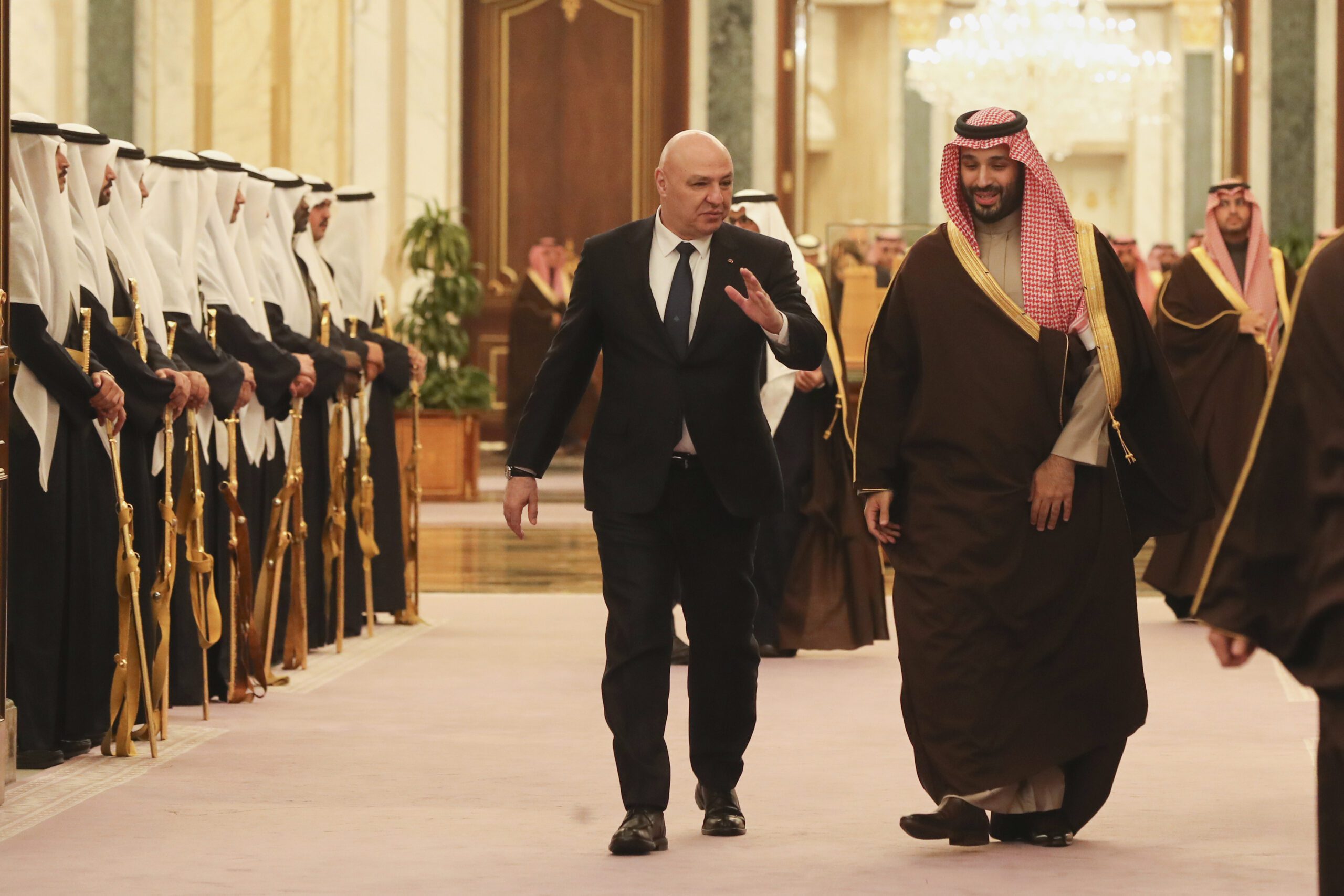
Air and Missile Defense in the Gulf
The war is demonstrating that missile defense can blunt Iran’s strategy – but only if the United States and its regional partners ensure that their defenses can keep pace with the scale and speed of future conflicts.

Mar 11, 2026
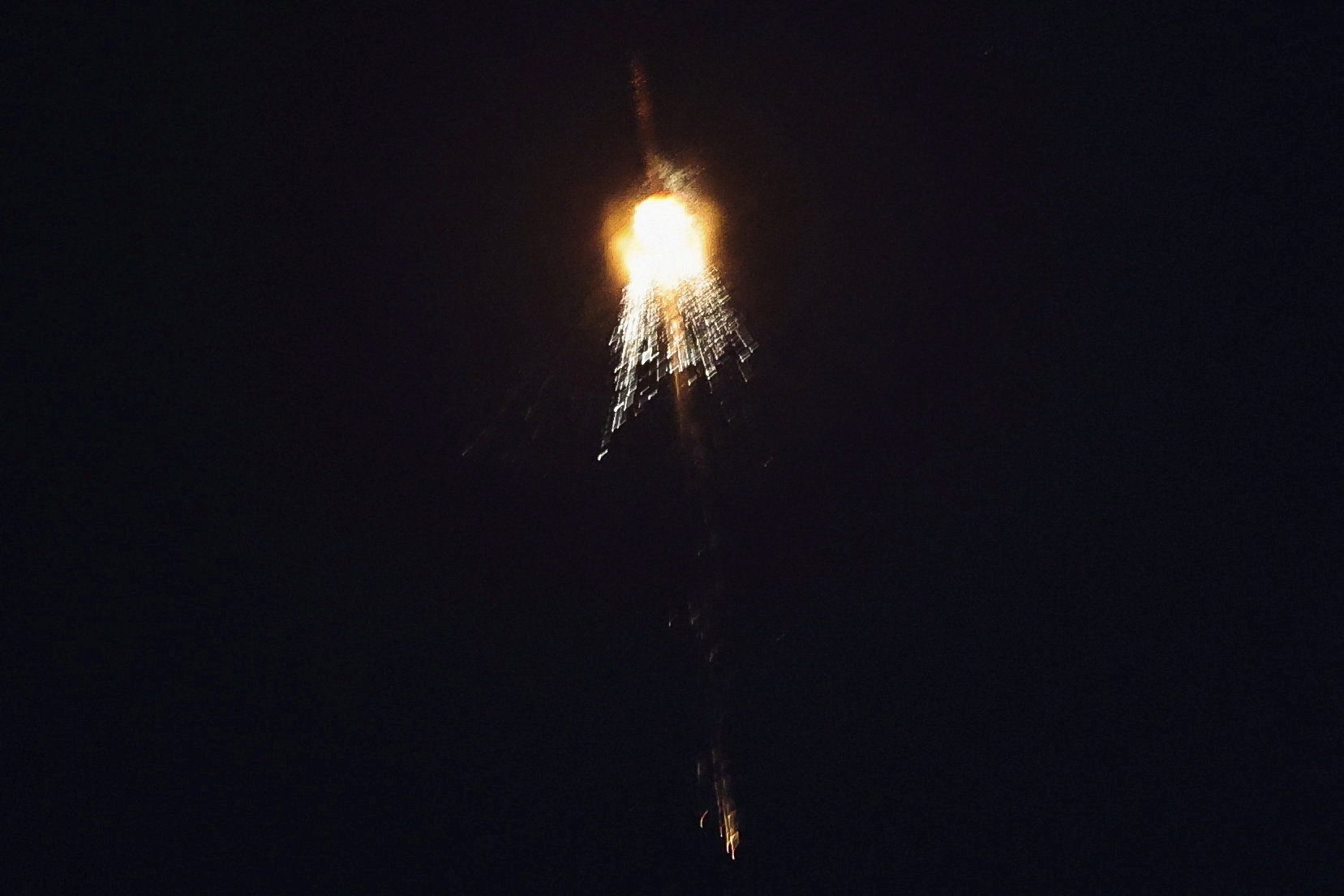
Gulf States Play Defense
Caught between Iranian strikes and U.S.-Israeli pressure to join the fight, Gulf Arab states strive to maintain their autonomy over decision making, playing defense and preserving the space to maneuver when the war ends.


Mar 9, 2026
Markets Respond to the Iran Conflict
The early reactions of regional stock markets reflect serious concerns but not full-blown panic despite an unprecedented escalation of the Iran conflict.

Mar 6, 2026
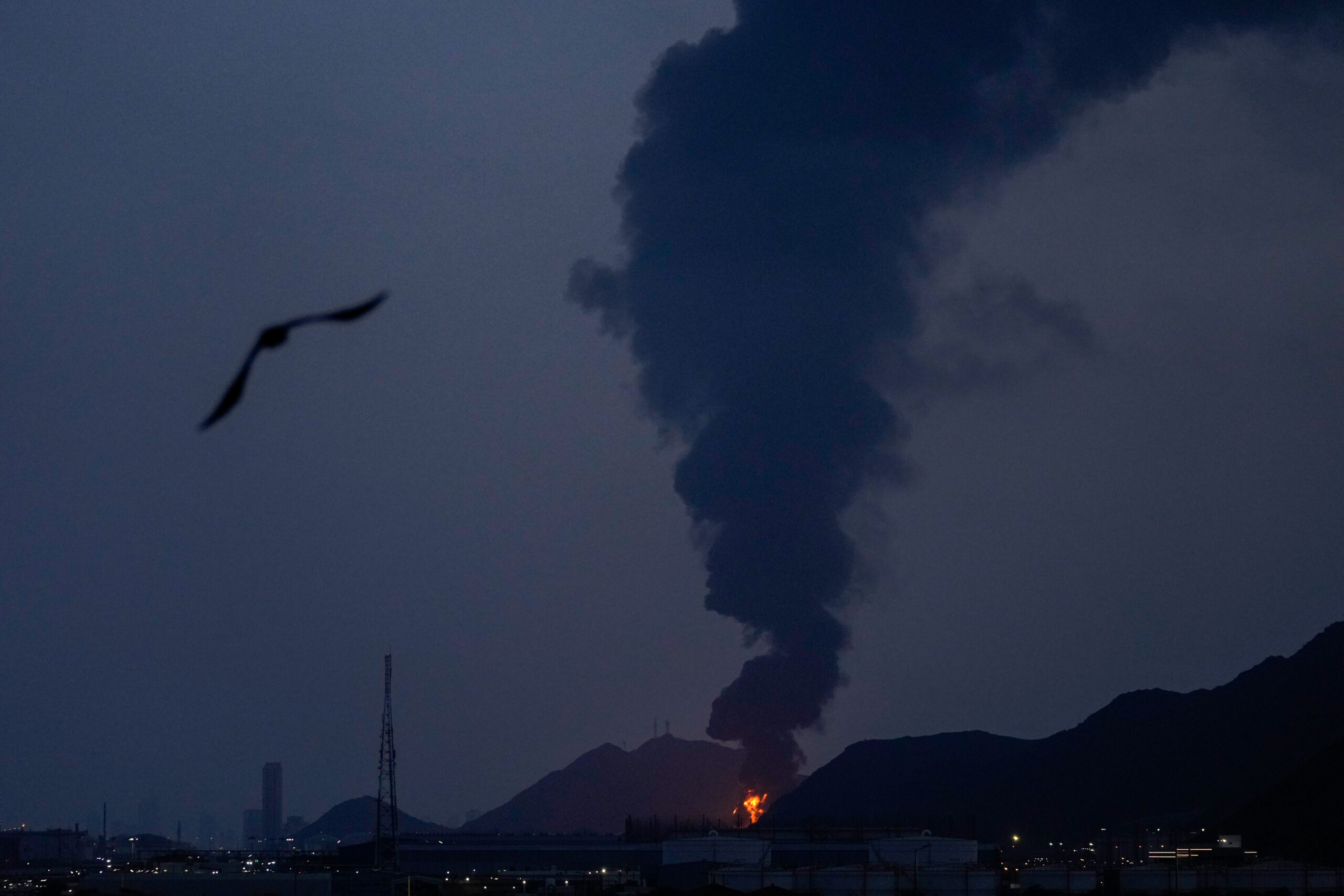
Iran War Tests Qatari Mediation and Diplomacy
Iran’s attacks have perhaps irrevocably damaged Qatari-Iranian bilateral relations and erased the last few years of broader rapprochement efforts between Iran and the GCC states.

Mar 2, 2026
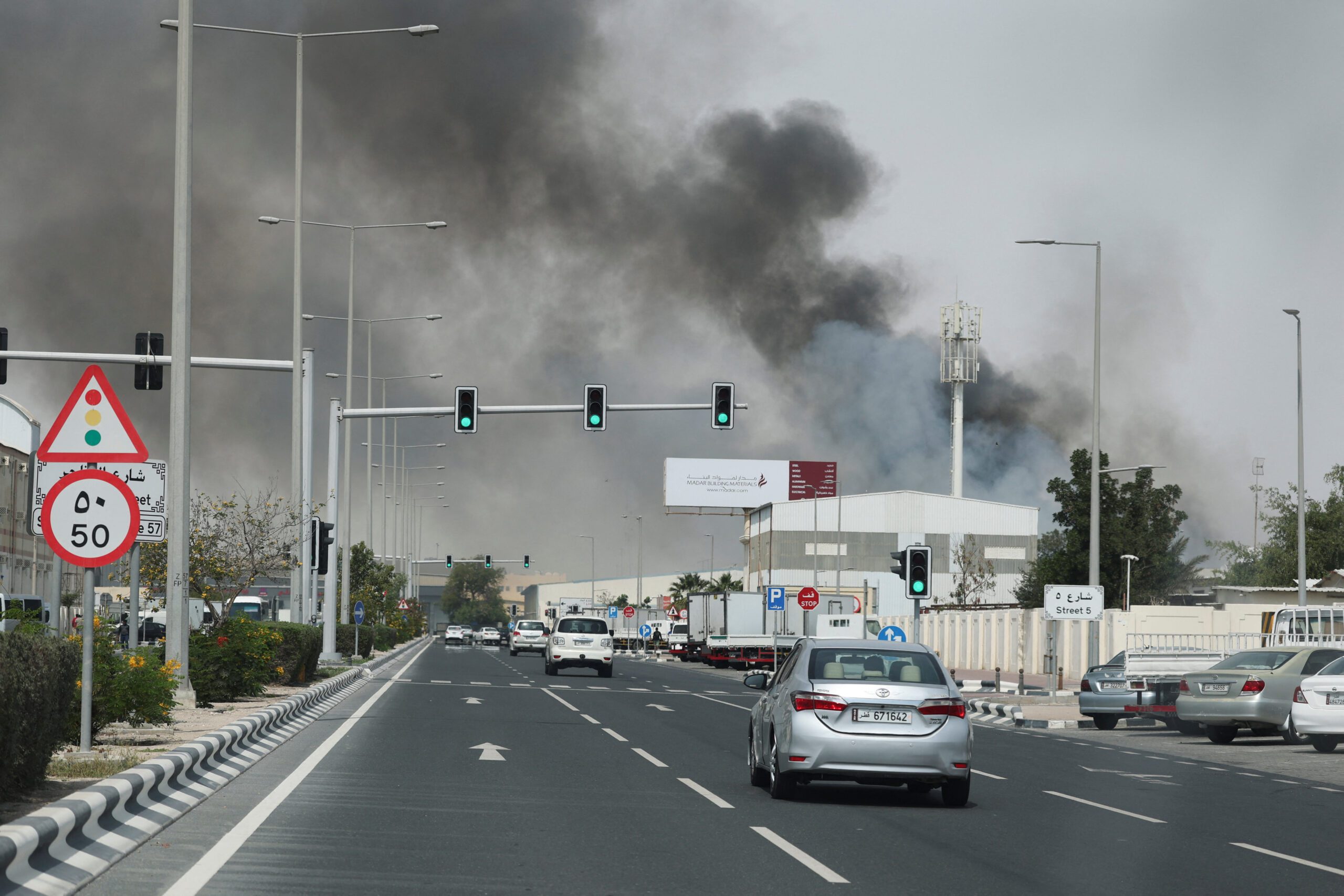
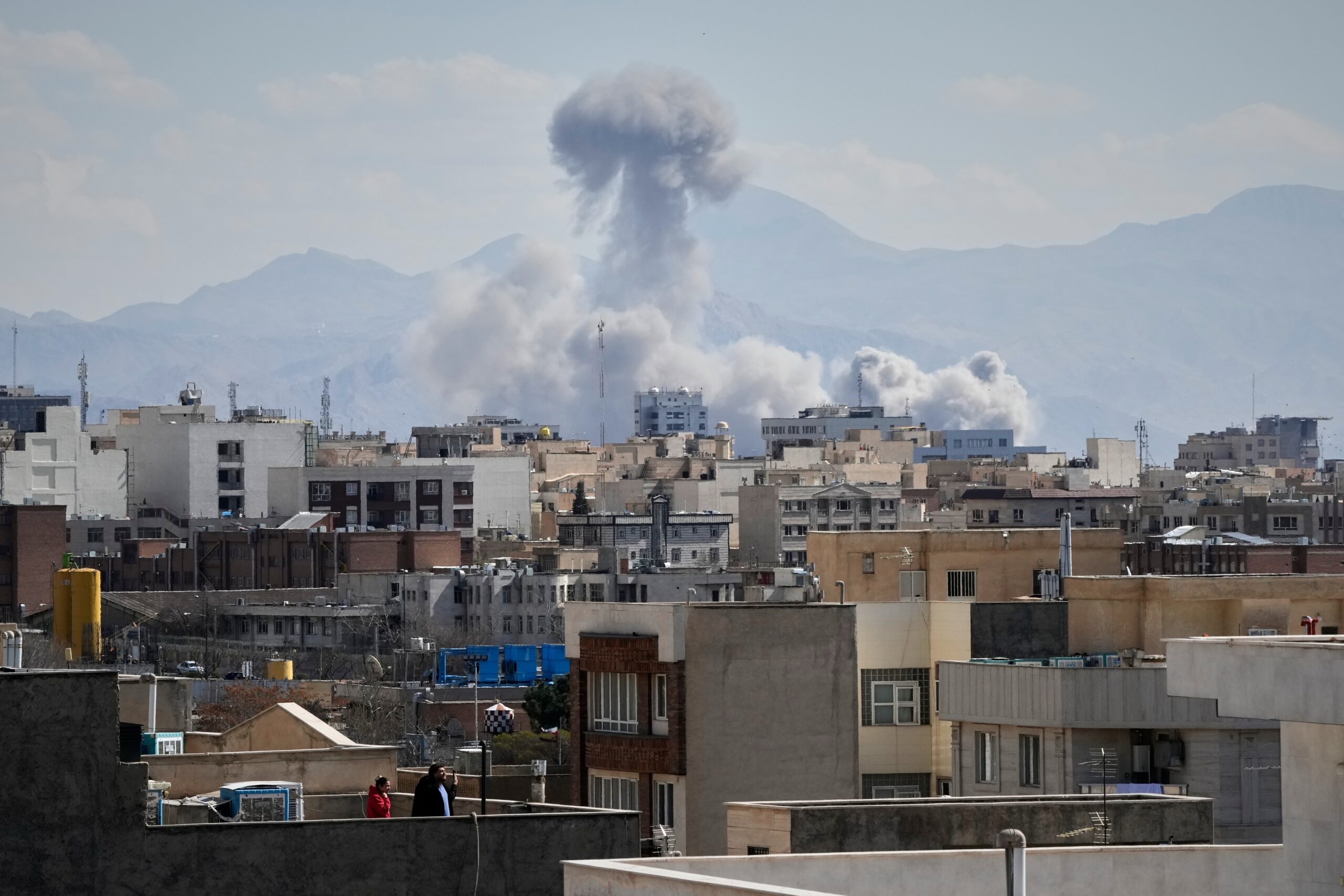
Iran War: Gulf Unity, Economic Shocks, and Regime Scenarios
After a massive U.S.-Israeli campaign against Iran, AGSI explores scenarios for the future of Iran and implications for broader Gulf security.
Feb 17, 2026
Outlook 2026
AGSI experts assess the trends likely to shape the Gulf region and U.S. foreign policy in 2026.

Jan 27, 2026
A Tentative Trust: What the Barzan-EDGE Deal Reveals About Gulf Reconciliation
As Gulf states pursue economic diversification and knowledge economies less dependent on resource extraction, the logic of competition may be becoming less compelling and the benefits of coordination more apparent.


Dec 23, 2025
The Gulf’s Return to Lebanon?
A new government and the movement to disarm a weakened Hezbollah are increasing Gulf states’ trust in Lebanon, but Gulf-Lebanese rapprochement is not yet right around the corner.