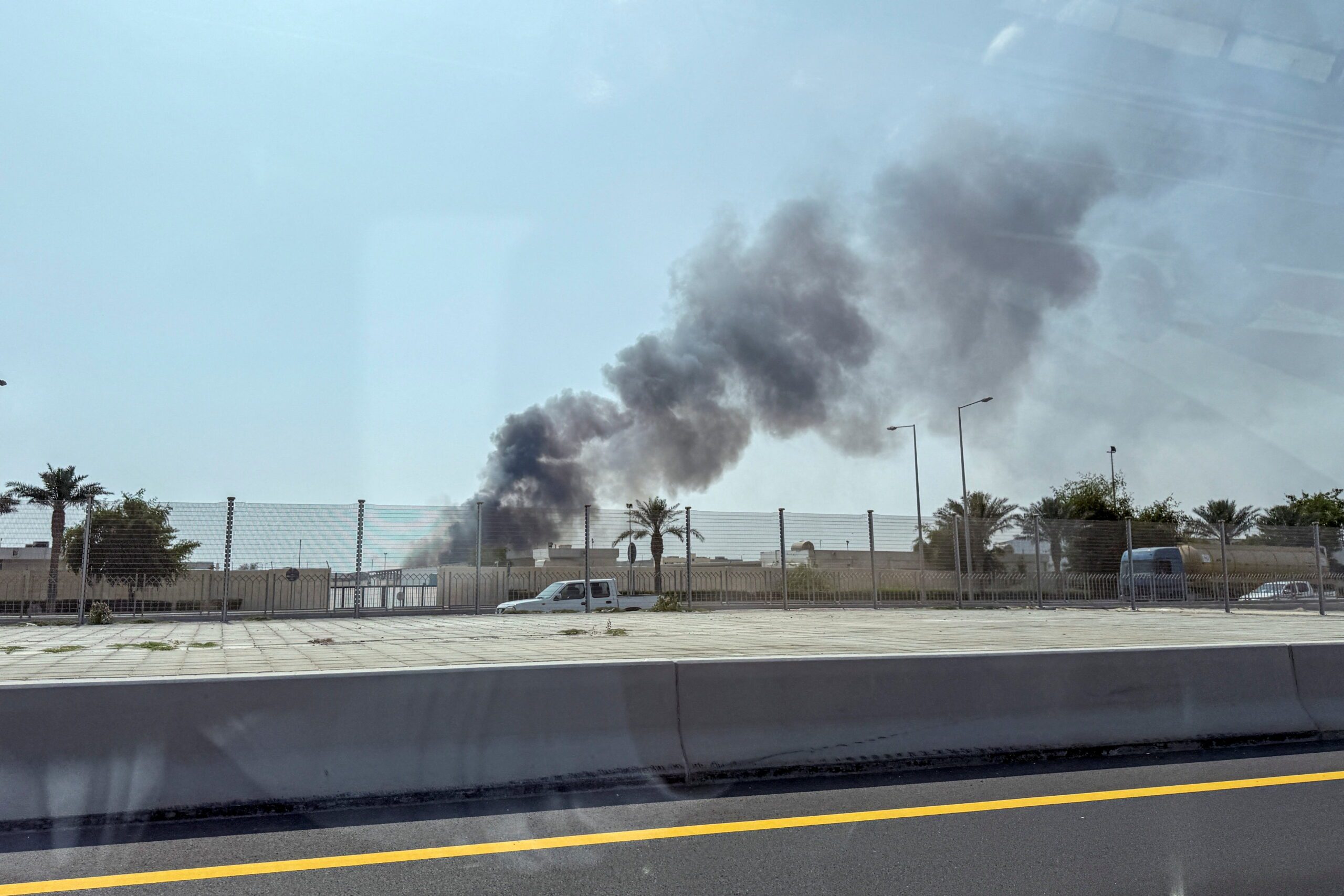
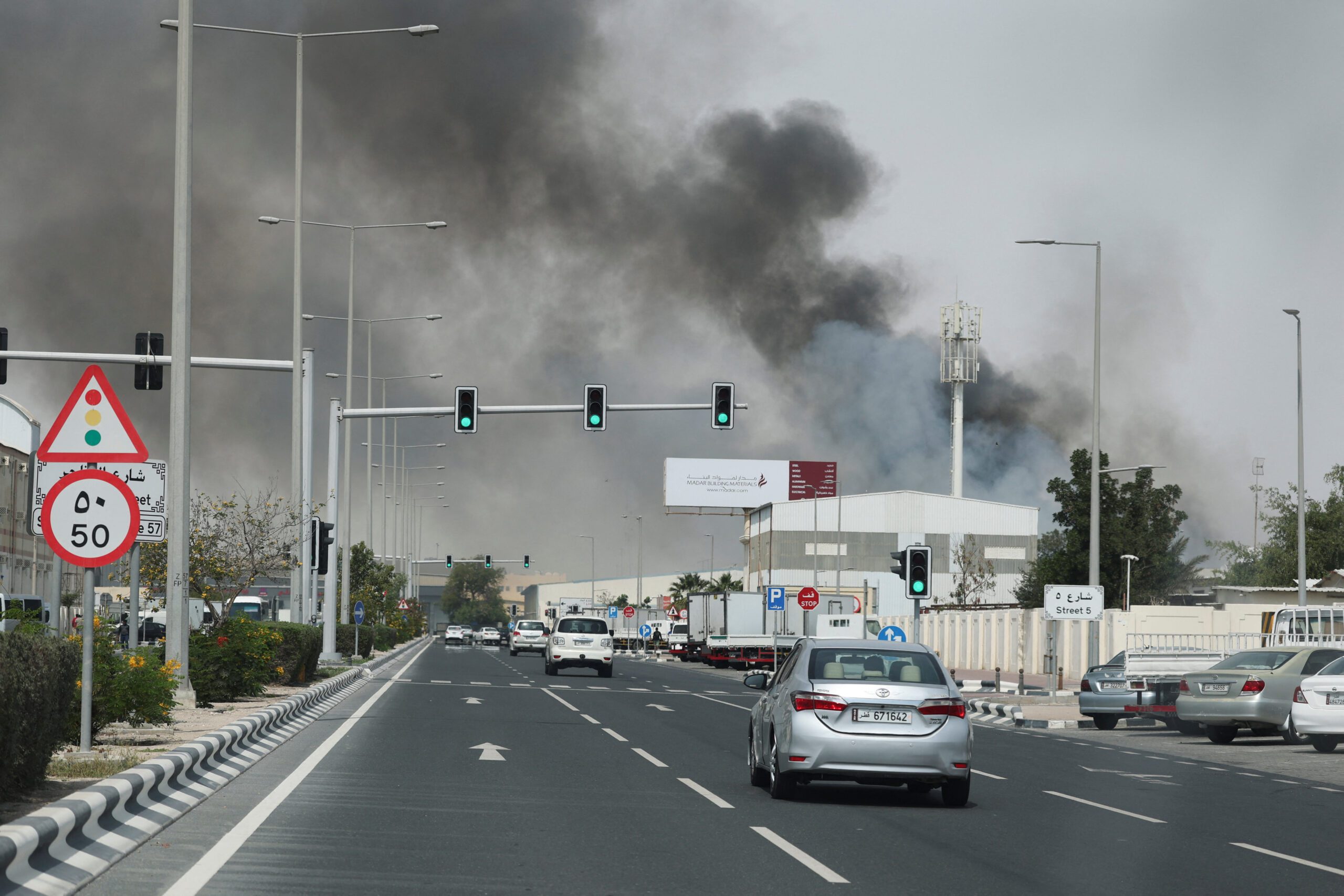
Smoke rises after reported Iranian missile attacks, as seen from Doha, Qatar, March 1. (REUTERS/Mohammed Salem)
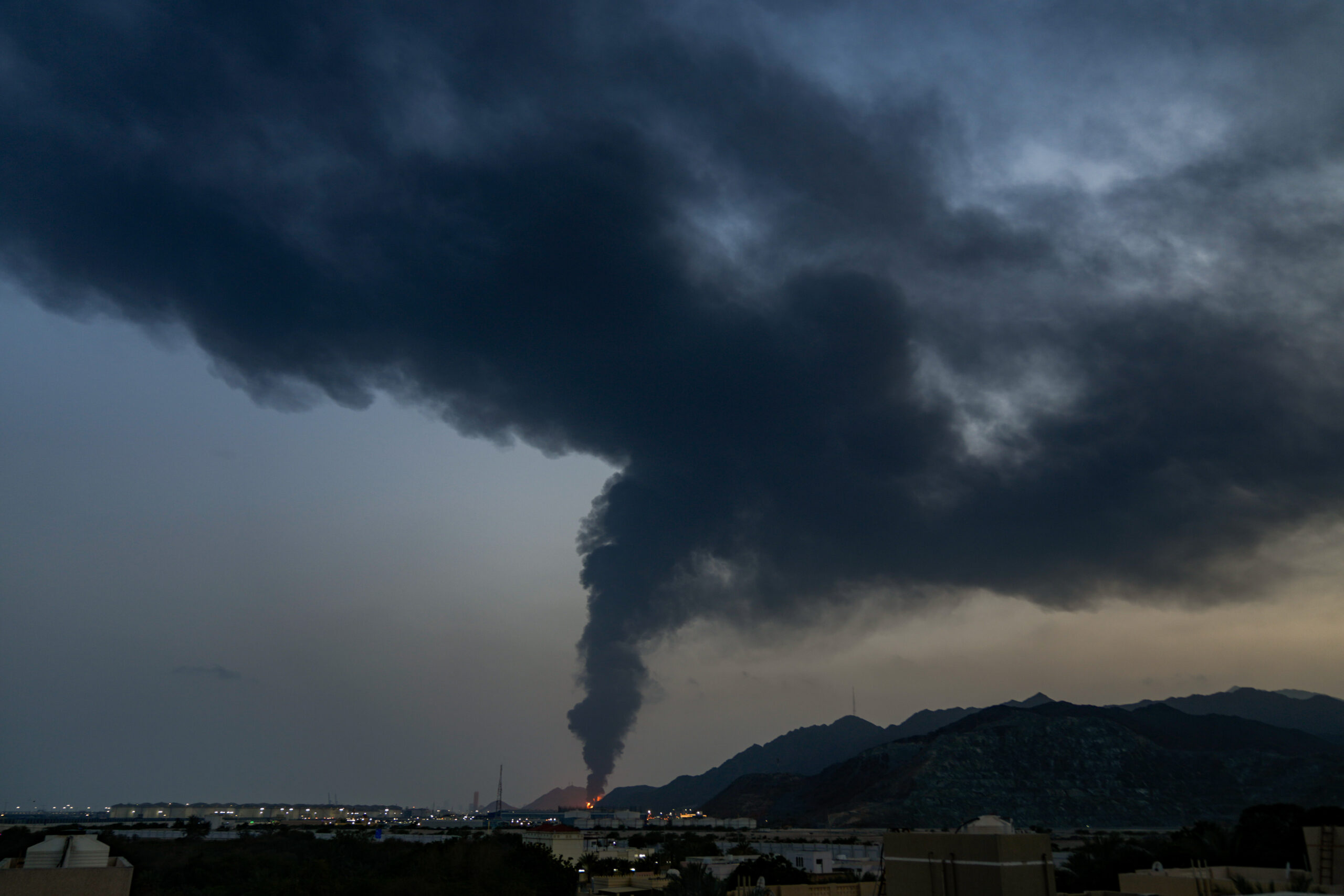
Iranian missile strikes in mid-March on Qatar’s Ras Laffan industrial city, which hosts one of the world’s largest liquefied natural gas facilities, marked a serious escalation in the regional conflict. The attack caused major damage; knocking out 17% of Qatar’s LNG export capacity, according to QatarEnergy’s CEO, with recovery expected to take years. As a major global gas supplier, any disruption in Qatar affects international energy markets. At the same time, Qatar continues to support de-escalation and keep communication open with all sides. However, the attacks on Qatar suggest that mediation alone may no longer be enough, and Qatar is likely moving toward a more complex approach that includes both diplomacy and stronger signals to protect its security.
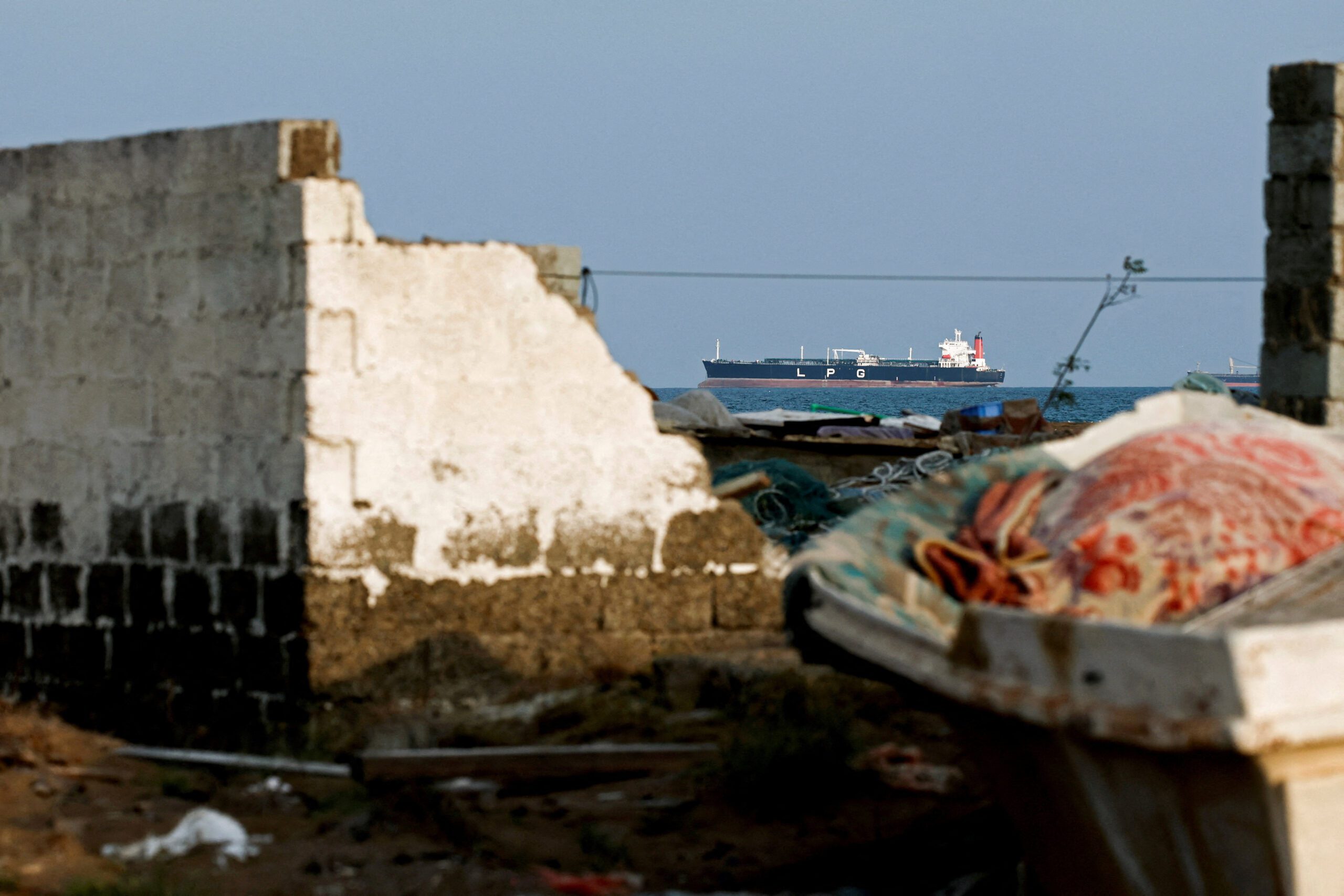
Qatar’s relationship with Iran is largely shaped by structural realities. The two countries share the world’s largest natural gas field – the North Dome/South Pars – making cooperation necessary for both sides. This shared resource forms the backbone of Qatar’s economy, as the country remains one of the world’s leading exporters of LNG. At the same time, Qatar is geographically close to Iran, making regional stability a direct security concern. Escalation in the Gulf and threats to maritime routes have disrupted Qatar’s energy exports and economy and played havoc with crucial imports, such as food supplies, industrial equipment, construction materials, and other essential goods tied to infrastructure and energy operations. For these reasons, Qatar has consistently emphasized de-escalation and diplomatic engagement, warning of the risks of further escalation.
Iran’s attack on Ras Laffan marked a turning point in Doha’s regional posture, however, transforming what had been a manageable diplomatic balancing act into a direct national security challenge. The issue is no longer limited to managing political differences or maintaining open channels with Tehran; it now involves the targeting of Qatari territory and critical energy infrastructure. The strikes on Ras Laffan, a central hub of Qatar’s LNG industry, highlight the vulnerability of the country’s economic backbone and raise the stakes of continued engagement with Iran. In response, Qatar strongly condemned the attack, insisting it was a violation of its sovereignty and a serious threat to its national security. At the same time, Doha emphasized that it had consistently sought to avoid escalation and promote diplomatic solutions, reflecting its long-standing commitment to regional stability. However, the shift from indirect tension to direct targeting places clear limits on the effectiveness of mediation alone. As a result, Qatar is increasingly compelled to reinforce its position, combining its traditional diplomatic approach with stronger signals of deterrence and the protection of its sovereign interests.
While Gulf states broadly share a preference for diplomacy and de-escalation, their approaches differ in important ways. Oman has long maintained a reputation for quiet and discreet mediation, often serving as a backchannel between adversaries, particularly in its engagement with Iran. This neutrality allows Muscat to preserve its role as a trusted intermediary, even if it limits its public positioning on issues of deterrence. Saudi Arabia and the United Arab Emirates, by contrast, have pursued de-escalation within a more structured strategic framework in which diplomacy is closely tied to economic priorities and the protection of critical infrastructure. Their approach reflects a balance between reducing tensions with Iran and maintaining a credible deterrent posture. Qatar’s position differs from both models. While it shares Oman’s emphasis on mediation and communication, it also faces pressures similar to those of Saudi Arabia and the UAE, particularly in safeguarding its economic assets and national security. However, Qatar’s situation is uniquely complex, as it is simultaneously a mediator, a direct target of recent attacks, and a state with deep economic interdependence with Iran. This combination places Doha in a more constrained and delicate position than its regional counterparts.
Qatar is unlikely to pursue a complete rupture with Iran, given the structural realities that tie the two countries together. At the same time, recent attacks have made it increasingly difficult for Doha to treat Iran solely as a partner with whom tensions can be managed through dialogue alone. Instead, Qatar’s current approach reflects a more calibrated strategy that seeks to preserve diplomatic engagement and its role as a mediator while reinforcing its security posture in response to a more volatile regional environment. This suggests a shift toward a model that combines de-escalation with clearer signals of deterrence and sovereignty.
This shift was clear in Qatar’s response to the recent escalation, which was not limited to rhetorical condemnation but included calibrated diplomatic and security signaling. Doha condemned Iran’s attacks as a violation of its sovereignty and warned that they were having “catastrophic effects” on bilateral relations while simultaneously maintaining open communication channels with Tehran. Qatar also declared the Iranian military and security attaches persona non grata, reflecting a significant shift toward a more assertive stance. While these moves remain in the domains of rhetorical and diplomatic signaling, they reflect a somewhat harsher, more confrontational register than Doha has usually chosen to deploy with its looming, traditionally powerful neighbor to the north. If Doha wanted to move one or two notches more, without becoming confrontational, it could quietly deepen security coordination with Gulf partners or external allies and slow certain bilateral engagements with Tehran in low profile but meaningful areas: allowing structured dialogue mechanisms to be postponed or move forward with a lower-level delegation and an agenda narrowed to mere technical issues, for example, or dialing back economic and regulatory facilitation connected with the shared gas field and considering reducing for a time high-level, symbolic contact and the welcoming supportive rhetoric that usually envelops such visits.
For now, Doha has made an initial adjustment. With these moves, Doha is sending a clear signal that while it remains committed to de-escalation, it will not tolerate direct threats or violations of its territory. Qatar’s response is no longer based on mediation alone but on balancing dialogue with credible deterrence. It also signals that further adjustments, focused on slowing long-standing momentum in the relationship, without creating a rupture, could be considered if necessary.
The views represented herein are the author's or speaker's own and do not necessarily reflect the views of AGSI, its staff, or its board of directors.
The imperative for Gulf states to unify their position has grown since the onset of Iranian attacks on their countries. Yet under conditions of uncertainty about the U.S. position and the war's outcome, Gulf states are demonstrating differing regional alignments and preferences for managing the crisis.
Iranian attacks on Omani ports and oil tankers are straining Oman’s long-standing “friend to all” regional foreign policy, but Muscat still has a part to play in achieving peace.
Iran’s attacks have perhaps irrevocably damaged Qatari-Iranian bilateral relations and erased the last few years of broader rapprochement efforts between Iran and the GCC states.