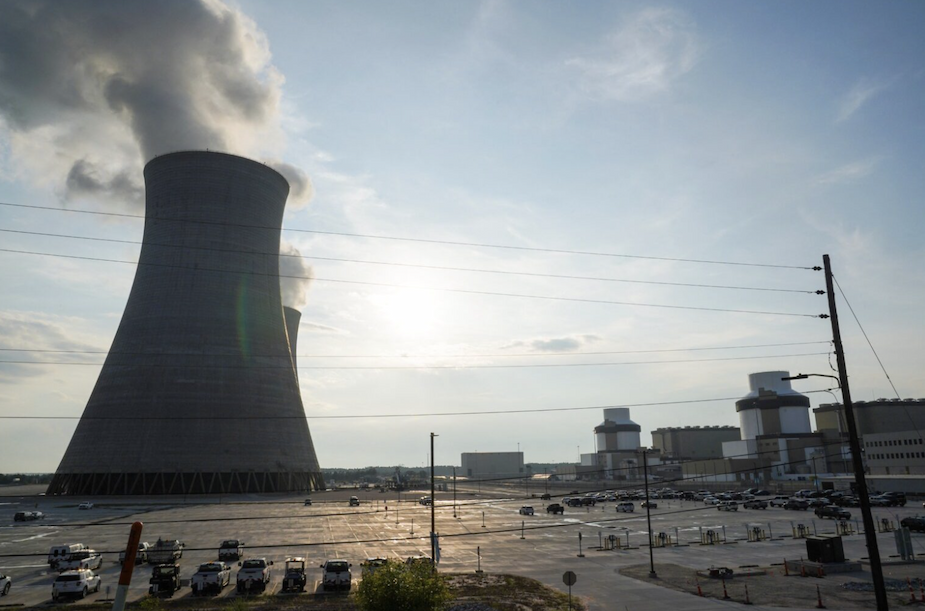
The United States and Saudi Arabia signed a joint declaration cementing U.S. interest in nuclear cooperation, but they have yet to settle the more divisive issues, mainly domestic enrichment.
Saudi Arabia seeks a U.S. security umbrella strong enough to deter Iran but a diplomatic posture measured enough to avoid provoking Iran unnecessarily.
Undersea cables are necessary for the rapid movement of information that the Gulf’s AI ambitions require, but they are uniquely vulnerable to disruption and sabotage.
The International Energy Agency sees demand increasing as rising living standards in developing countries and geopolitical anxieties push policymakers to favor energy affordability and reliability over aggressive decarbonization.
The protracted presence of aircraft carrier strike groups has only partially restored U.S. deterrence and comes with significant economic and strategic costs.
The $1 trillion Saudi trade and investment commitment to the United States will be extremely difficult to achieve given the size of the Saudi economy and its current financial situation.
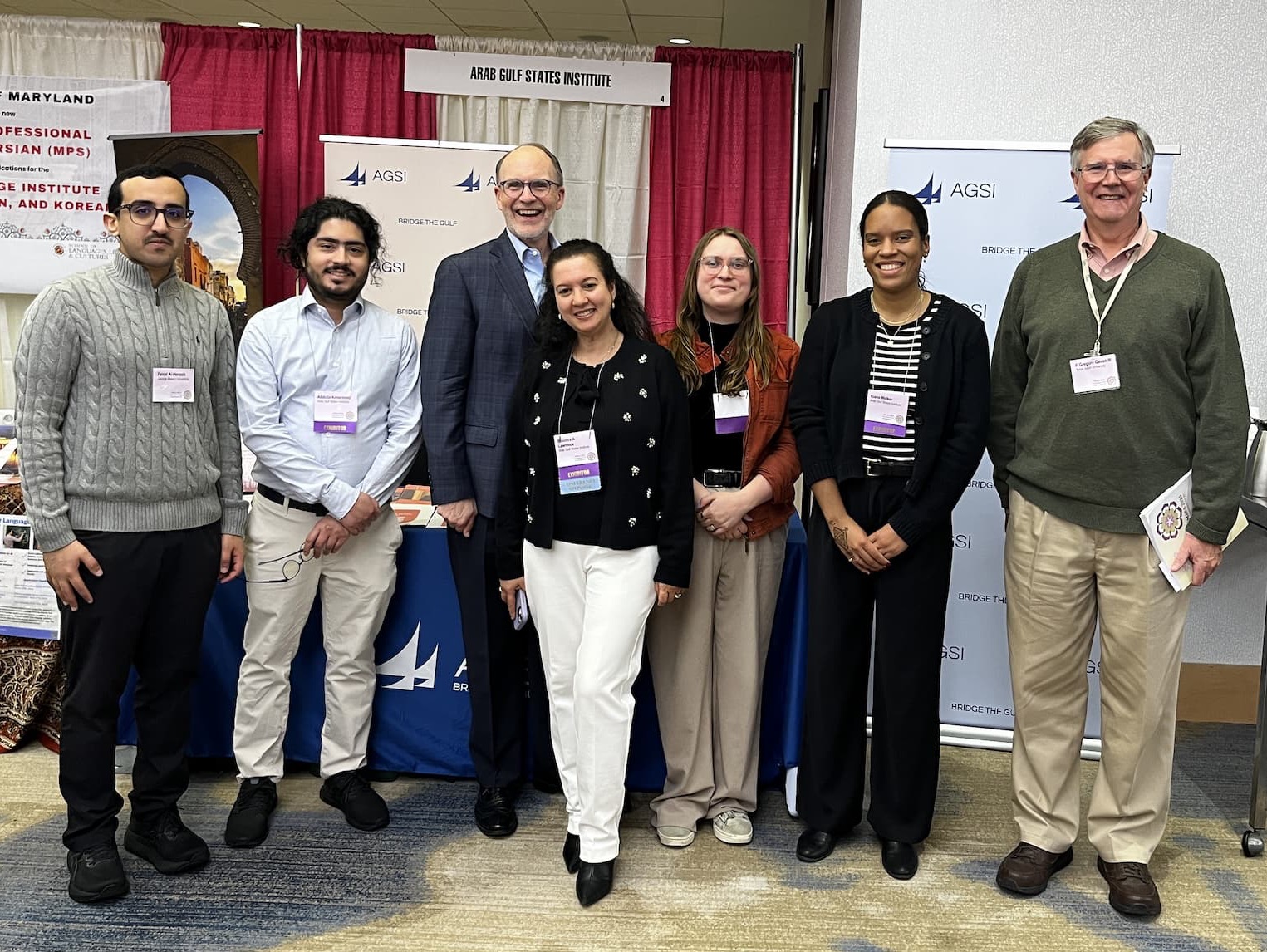
AGSI leadership, staff, and scholars participated in the Middle East Studies Association's 59th annual meeting in Washington and introduced participants to AGSI's work and mission to Bridge the Gulf.