Riccardo Gasco
Contributor
Riccardo Gasco is the foreign policy program coordinator at IstanPol Institute. He is also a political analyst and PhD researcher in international relations at the University of Bologna. Based in Istanbul since 2019, he is currently a visiting research fellow at the Istanbul Policy Center, where he works on Turkish foreign policy. He previously held a visiting fellowship at Sabanci University.
Gasco’s research focuses on Turkey’s foreign policy and strategic positioning between NATO and Russia and the broader behavior of emerging middle powers in a shifting global order. He holds degrees in international relations and diplomatic sciences from the University of Genoa and SOAS, University of London.
He frequently contributes analysis to Italian, Turkish, and international media, offering commentary on Turkey’s domestic politics, regional dynamics in the Middle East, and Turkey’s complex relationships with Europe, the United States, China, and Russia. His publications cover topics such as Turkey-China relations, the Kurdish issue, Turkish defense policy, European Union-Turkey relations, and broader questions of transatlantic diplomacy and strategic autonomy.
Analysis
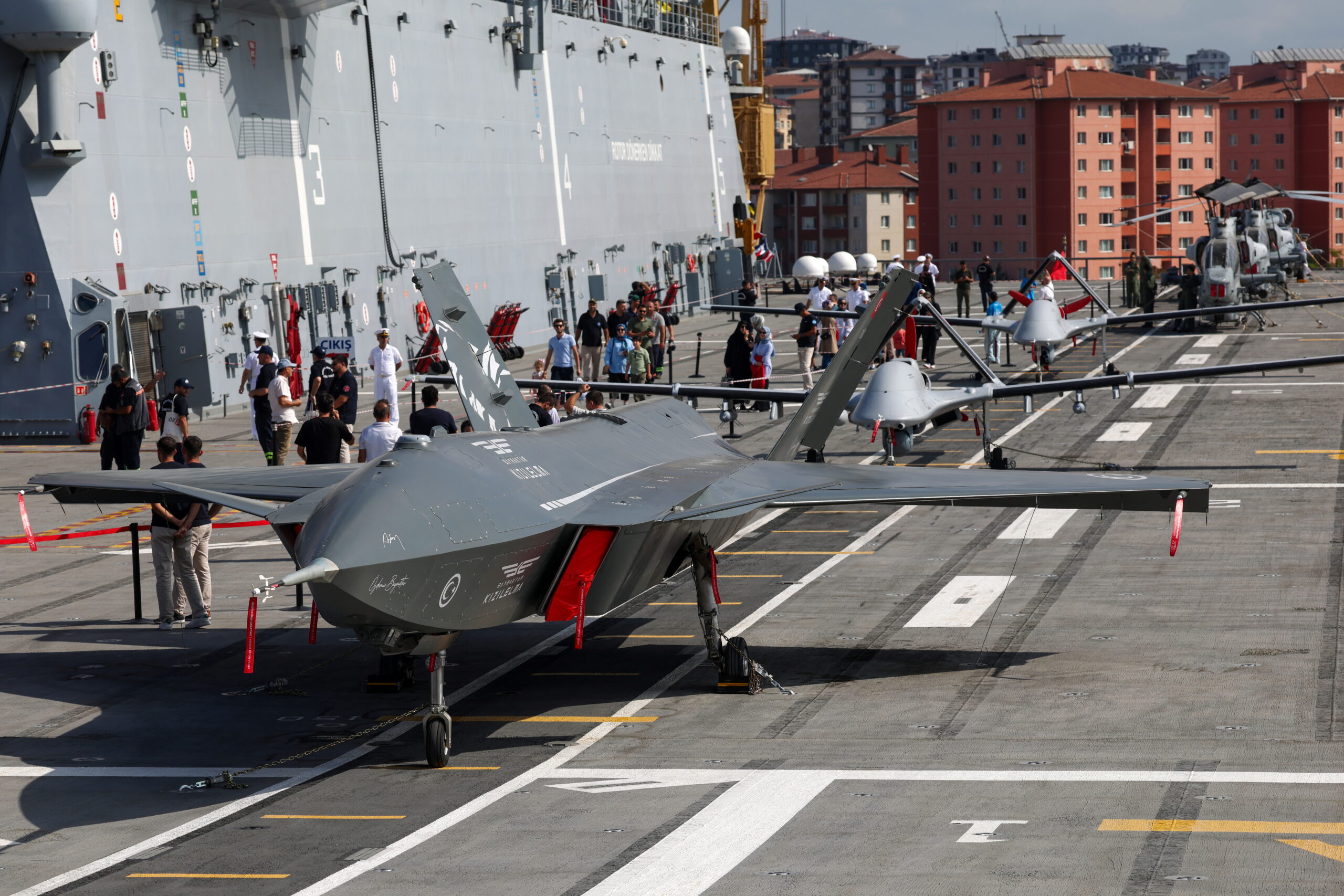
Blueprints for Autonomy: Turkey and the Gulf Partnership on Defense Industrialization
As the Gulf states pursue defense localization and seek to reduce dependence on the United States and Europe, Ankara offers cost-effective technology and a model of how to build capacity.
19 min read