Chaos in Yemen: Implications for its Future and the Region
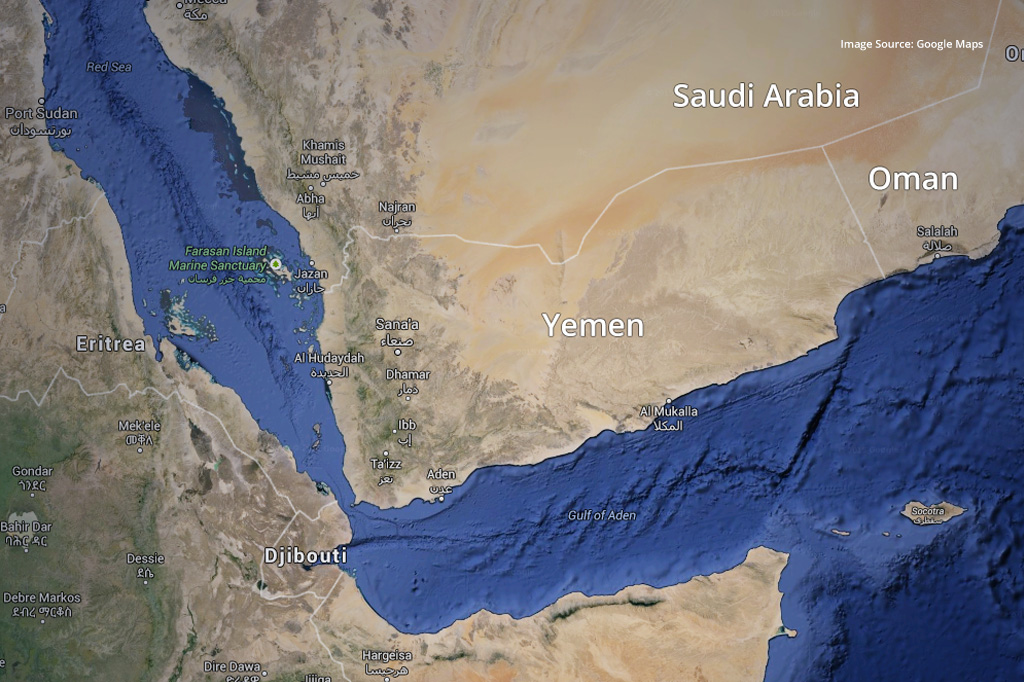
Less than three weeks after Houthi militants forced the resignation of Yemen’s president, Abd Rabbu Mansour Hadi, the U.S. Embassy in Sanaa evacuated its staff on Wednesday February 11 after UN mediation attempts failed to bring the country’s various political factions to the negotiation table.
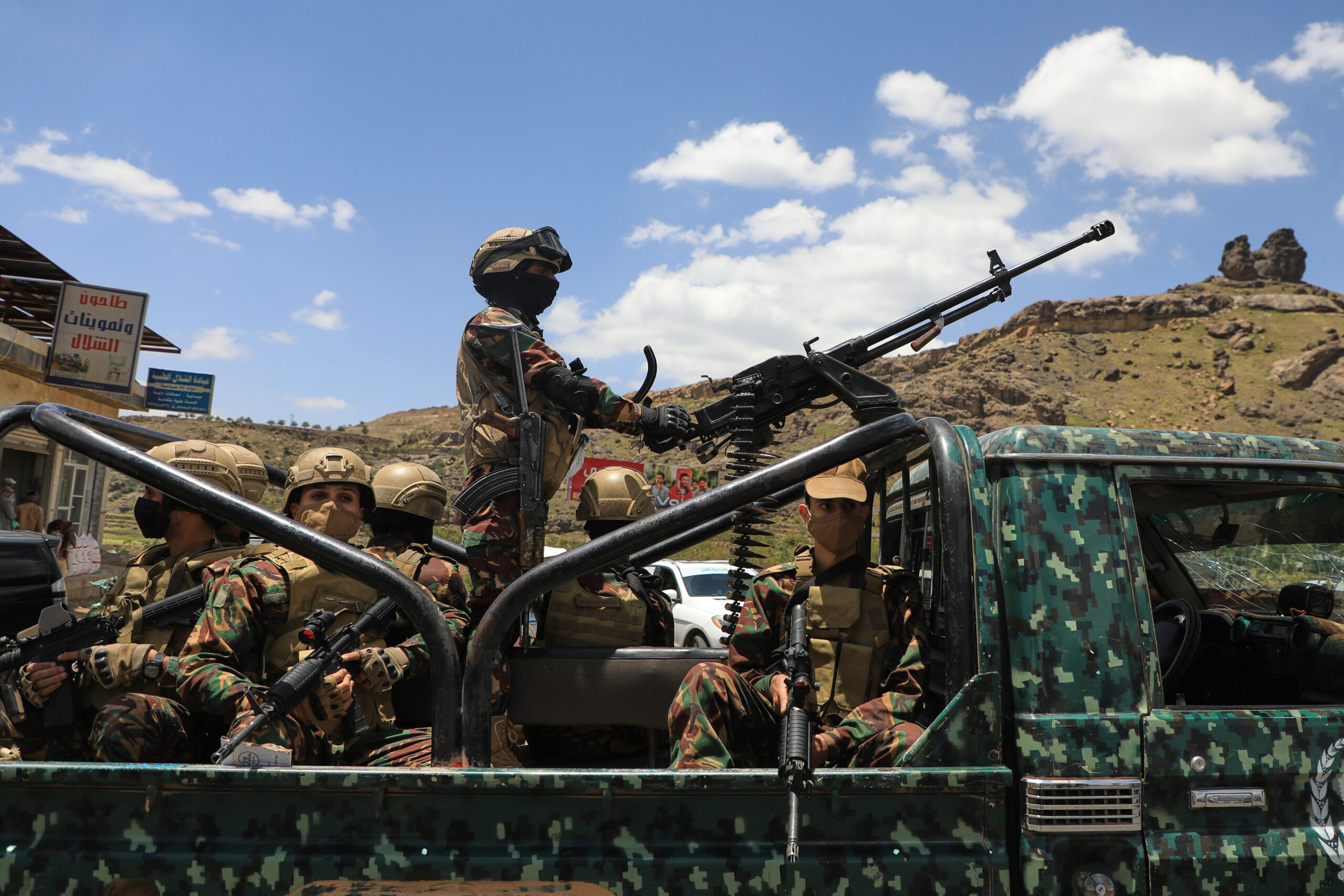
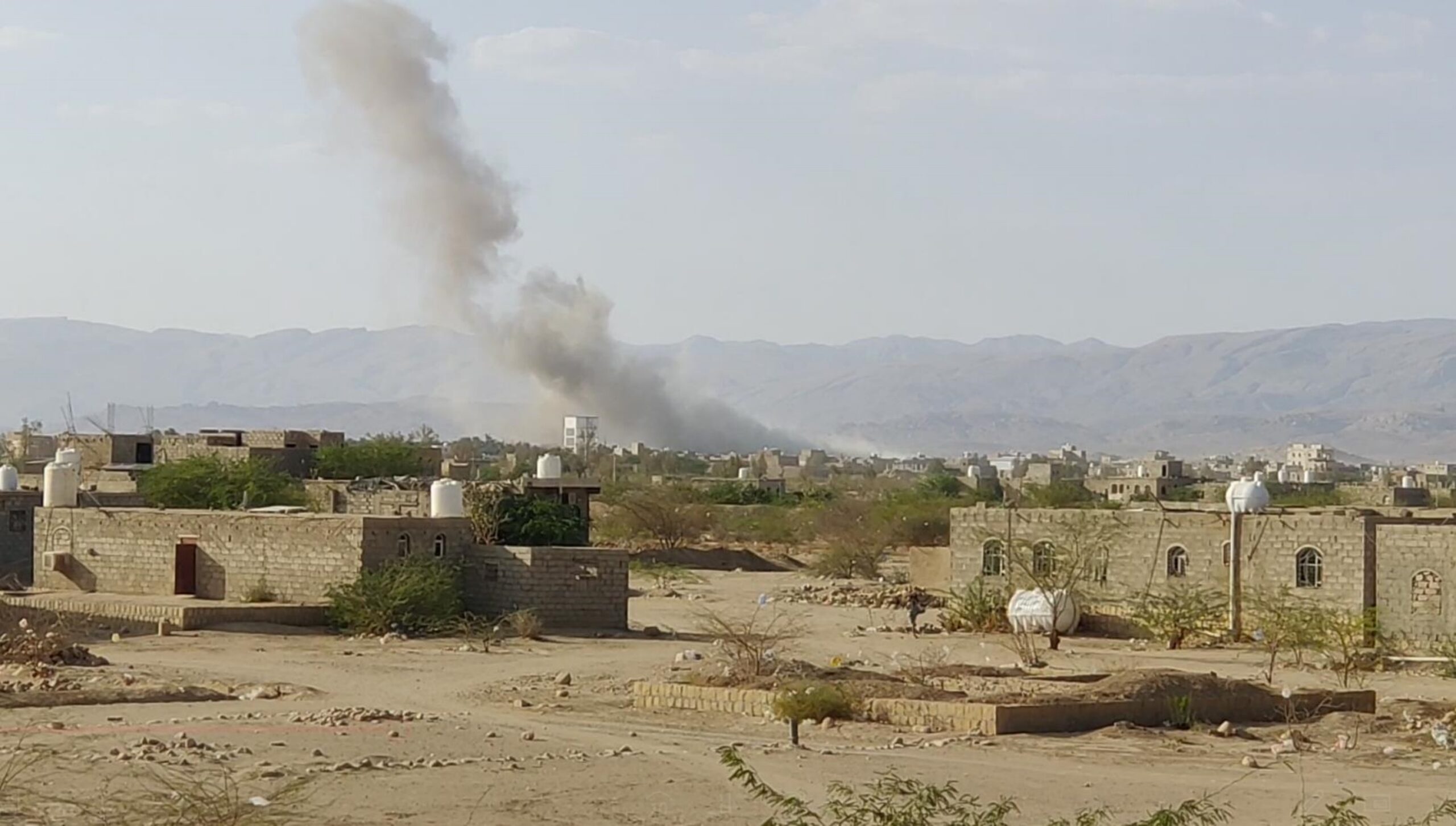
Less than three weeks after Houthi militants forced the resignation of Yemen’s president, Abd Rabbu Mansour Hadi, the U.S. Embassy in Sanaa evacuated its staff on Wednesday February 11 after UN mediation attempts failed to bring the country’s various political factions to the negotiation table. It is, however, far from certain whether the Zaidi-Shiite clan’s momentum to shape the country’s politics is motivated by a sectarian agenda or by political aspirations to establish itself as the arbiter of the country’s political process. What is clear is that despite the group’s pronounced support for the National Dialogue Program that followed the ouster of President Ali Abdullah Saleh in 2011, the chain of events leading to President Hadi’s resignation appear to have been part of a strategy meticulously executed by the group’s leader, Abdul-Malik al-Houthi. The group, however, does not have significant governing experience nor does it have the ability to repair the country’s battered economy. Despite being the country’s strongest political actor, as the leading arbiter of Yemen’s divisive and messy political process, the Houthis cannot govern alone and is therefore expected to explore a number of power-sharing arrangements beneficial to its positions and acceptable to its neighbors.
In tandem with President Trump’s refusal to offer help with the Houthis, the Saudis are facing grim options to reverse Houthi military successes and a chokehold over their oil exports.
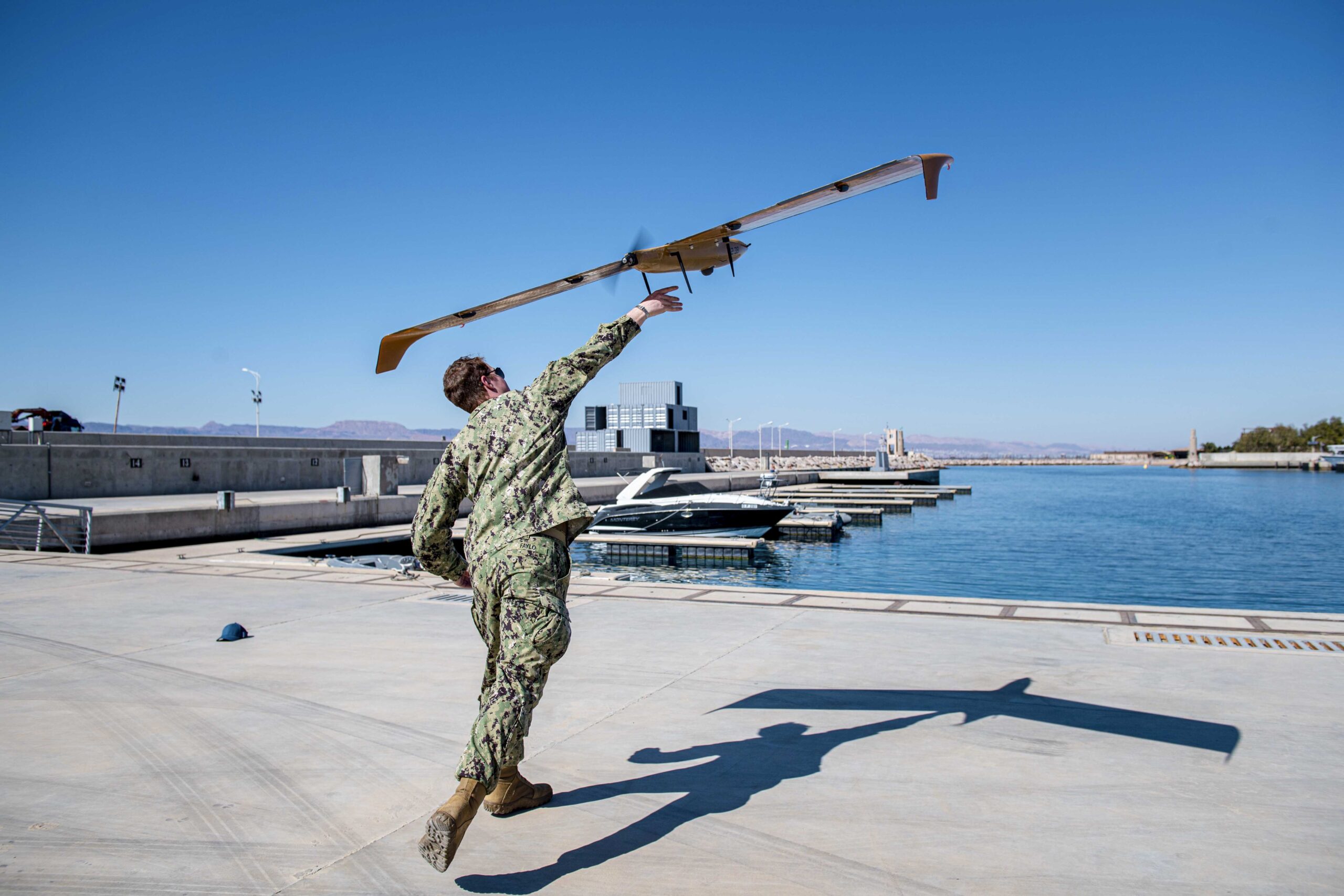
U.S. force projection in the Gulf is increasingly relying on artificial intelligence, unmanned platforms, and space technology, using these systems to augment existing military infrastructure.
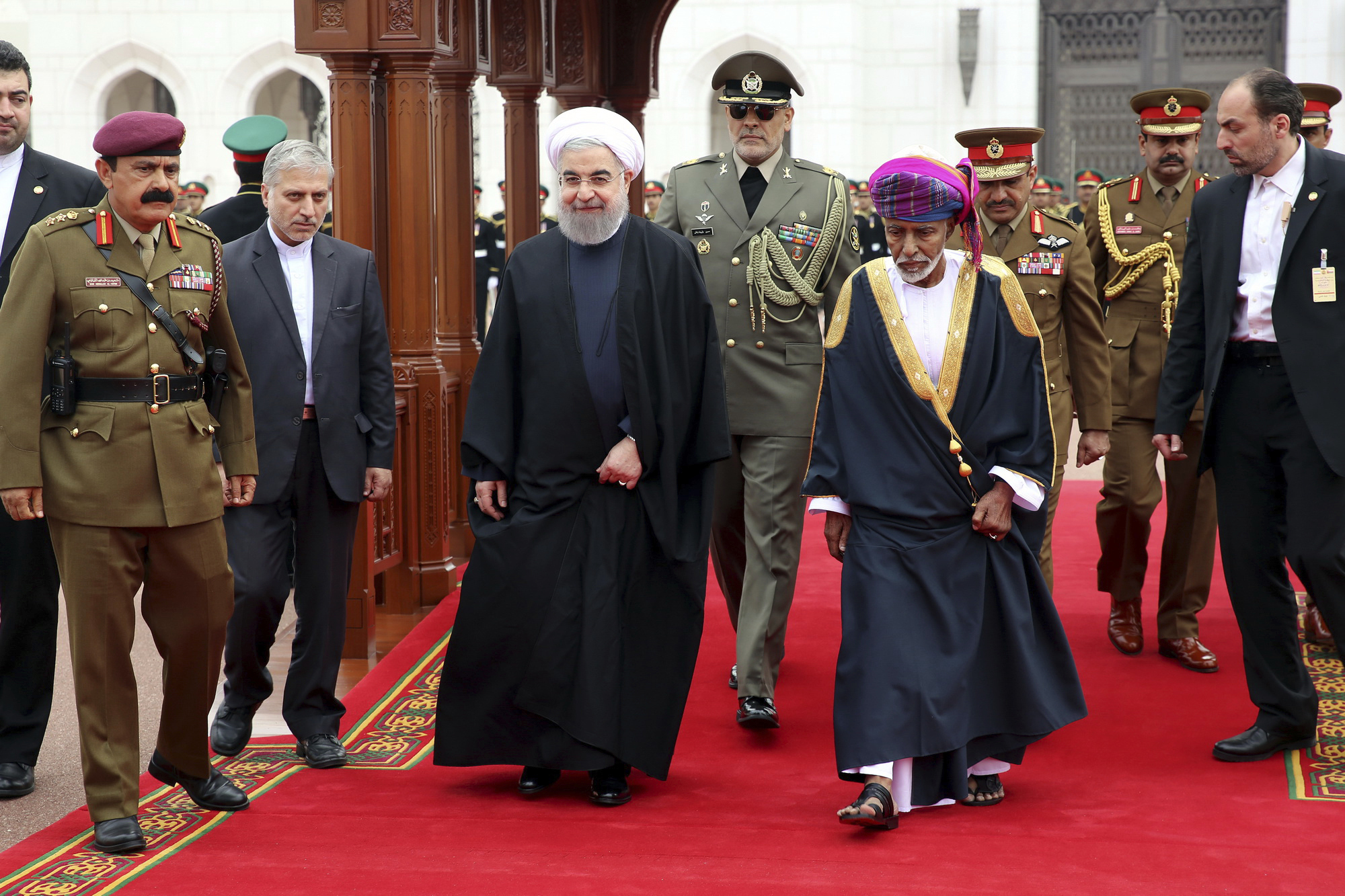
Oman’s established links to both Tehran and the political leadership of Yemen’s Houthi insurgents – clearly valued by the administration of former President Barack Obama – may be seen now as reasons to keep Oman at arm’s length.
Sultan Qaboos bin Said of Oman appointed on March 2 Sayyid Assad bin Tariq al-Said as deputy prime minister for international cooperation. The appointment triggered immediate speculation among Western observers that Assad is being groomed to become Qaboos’ successor.
Since winning the greatest political upset in modern American history, Donald Trump has since taken on the US defense industry by publicly questioning whether Boeing was overcharging the American taxpayer for its government contract to build the next version of Air Force One, the presidential jet.
This week’s terrorist attacks in Ankara, Berlin and Zurich underscore once again that Syria’s entrenched conflict extends well beyond Syria’s borders and that the failure to pursue a comprehensive political solution, which is required to bring the war to an end, is bound to increase the flow of refugees seeking a better future in Europe.




Jan 3, 2017
Will Trump Preserve Obama’s Iran Policies?
Since winning the greatest political upset in modern American history, Donald Trump has since taken on the US defense industry by publicly questioning whether Boeing was overcharging the American taxpayer for its government contract to build the next version of Air Force One, the presidential jet.
6 min read