Energy
Mar 10, 2026
Shockwaves From Iran: Implications for Energy Markets and the Global Economy
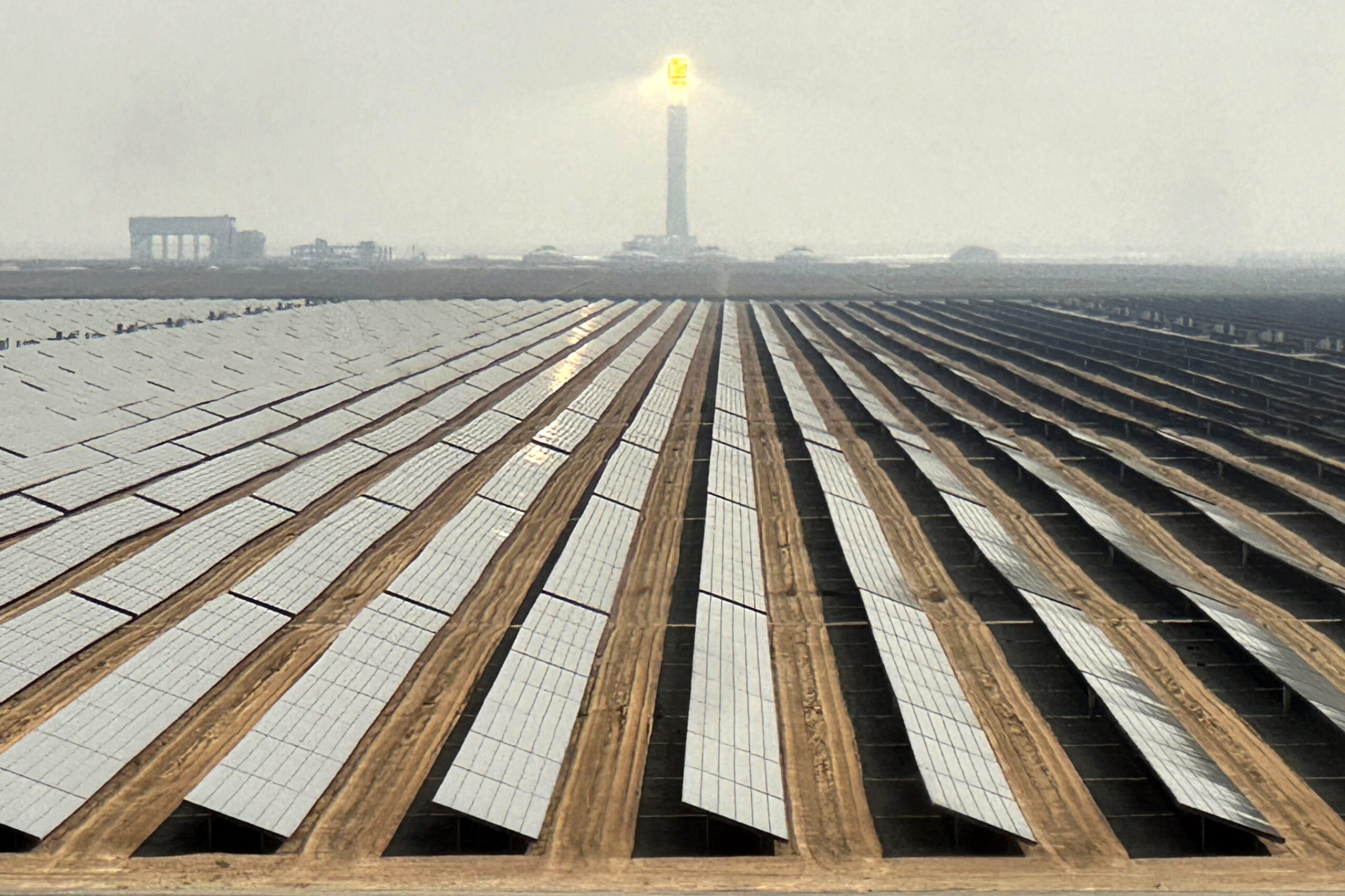
On March 11, AGSI hosted a discussion on global energy and economic market volatility.





Mar 9, 2026
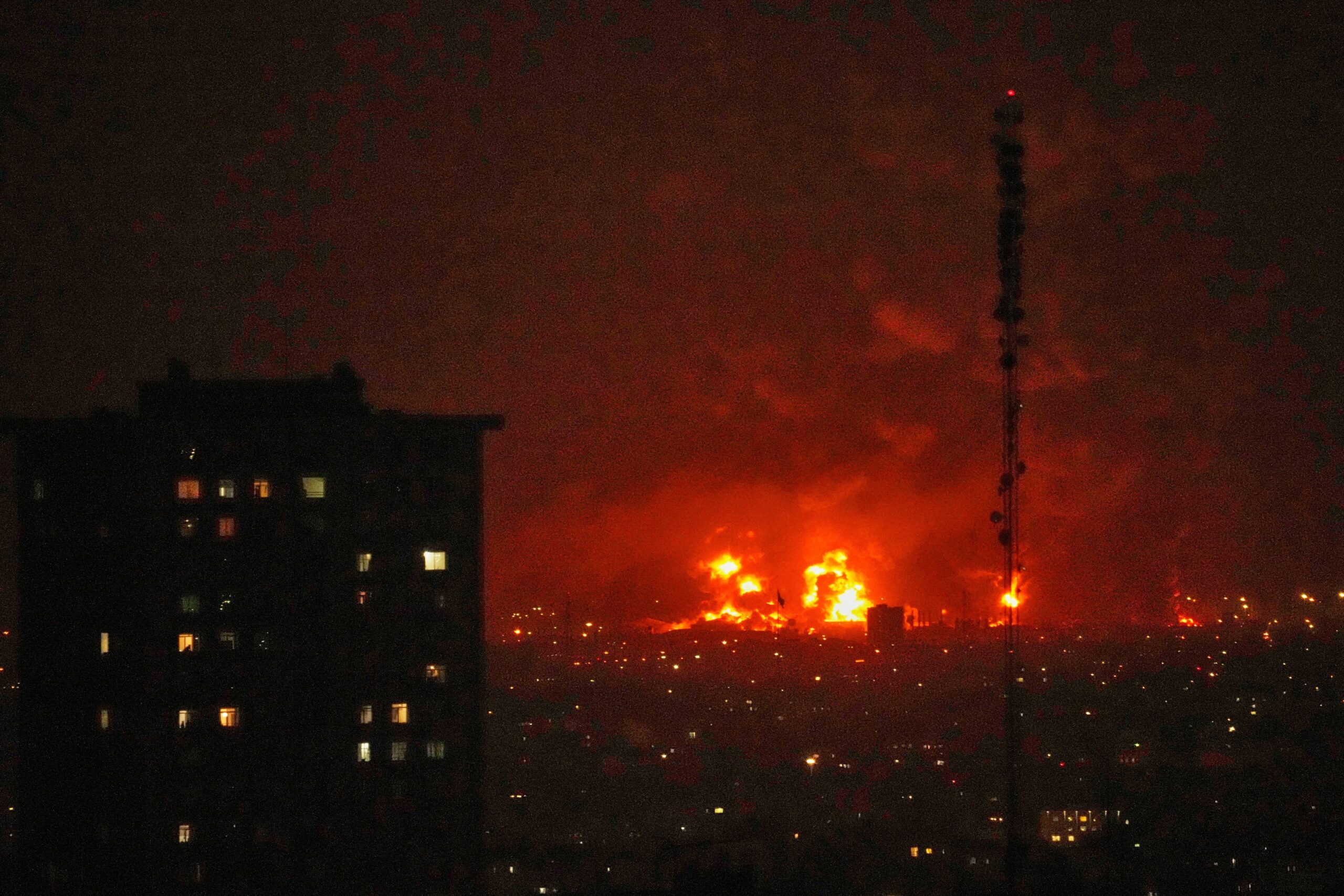
Oil Prices Jolted Higher as Gulf Export Route Blocked
Roughly 20% of global oil supply is now stranded behind the chokepoint of the Strait of Hormuz, unable to reach global markets.
Mar 5, 2026
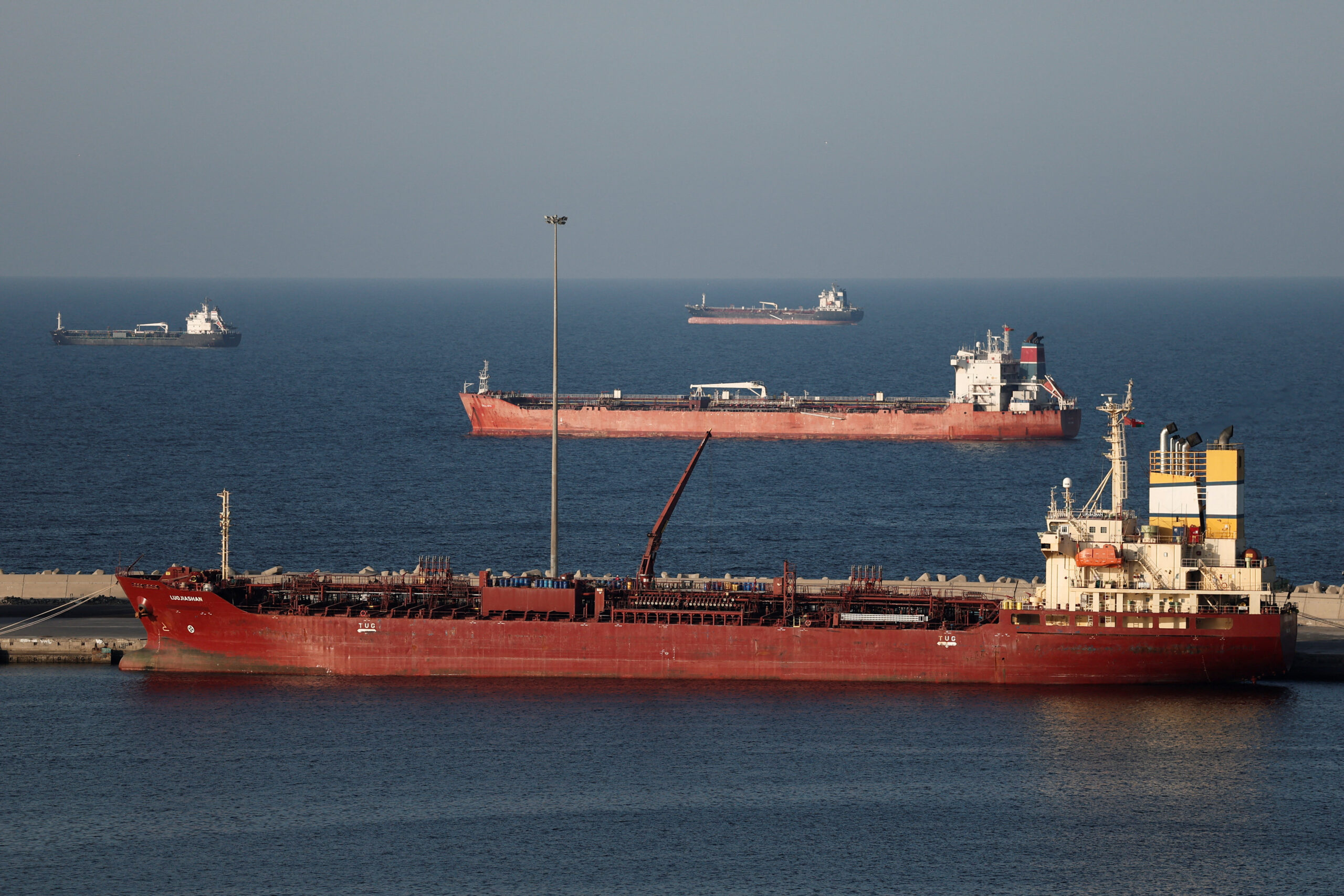
Will the U.S.-Iran Conflict Reshape Global Energy Flows and Shipping?
The longer the conflict lasts, and the more damage to energy facilities, the greater the risk of oil market tightness, rising prices, and stranded commodities.

Mar 2, 2026
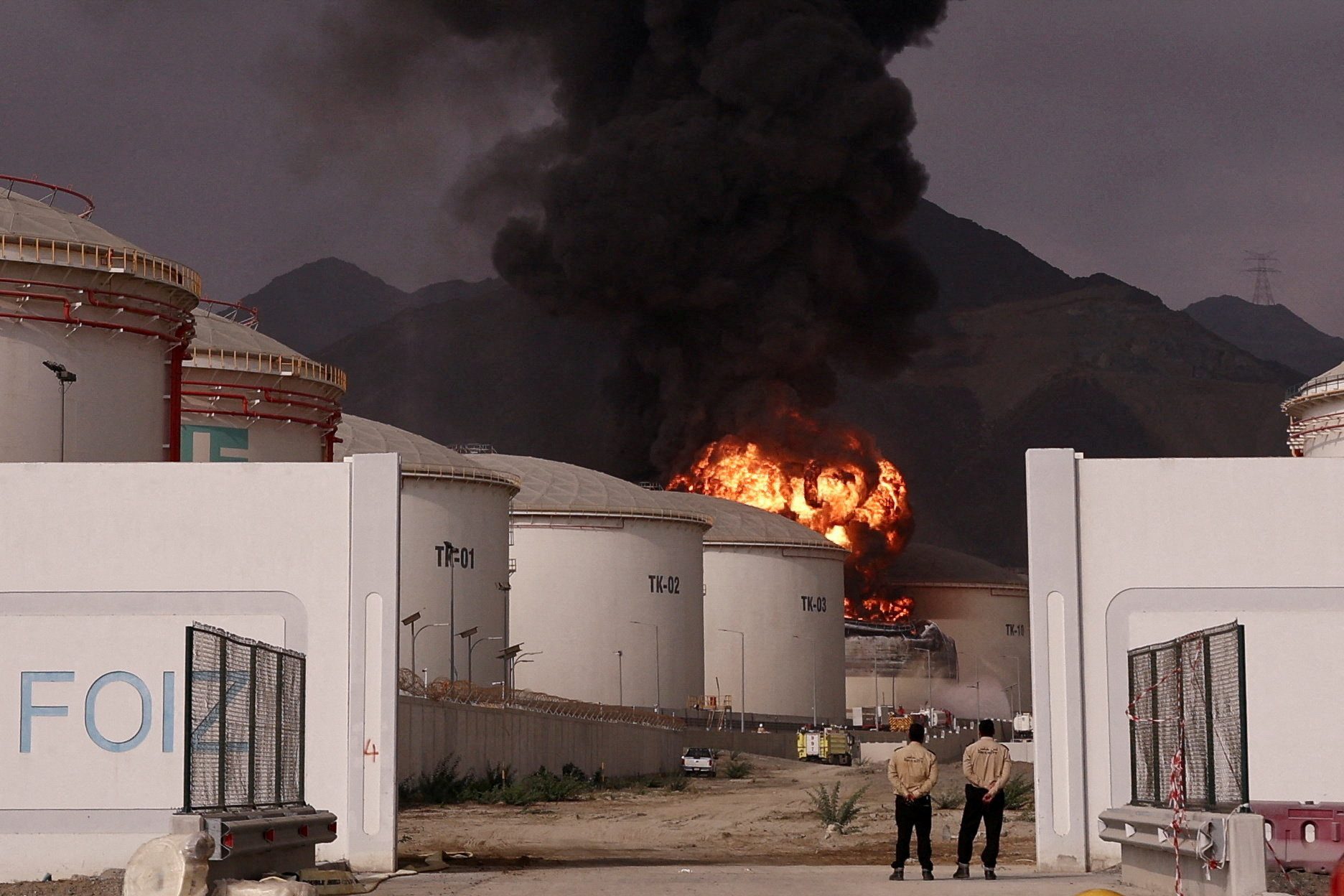
Iran War: Gulf Unity, Economic Shocks, and Regime Scenarios
After a massive U.S.-Israeli campaign against Iran, AGSI explores scenarios for the future of Iran and implications for broader Gulf security.

Mar 1, 2026
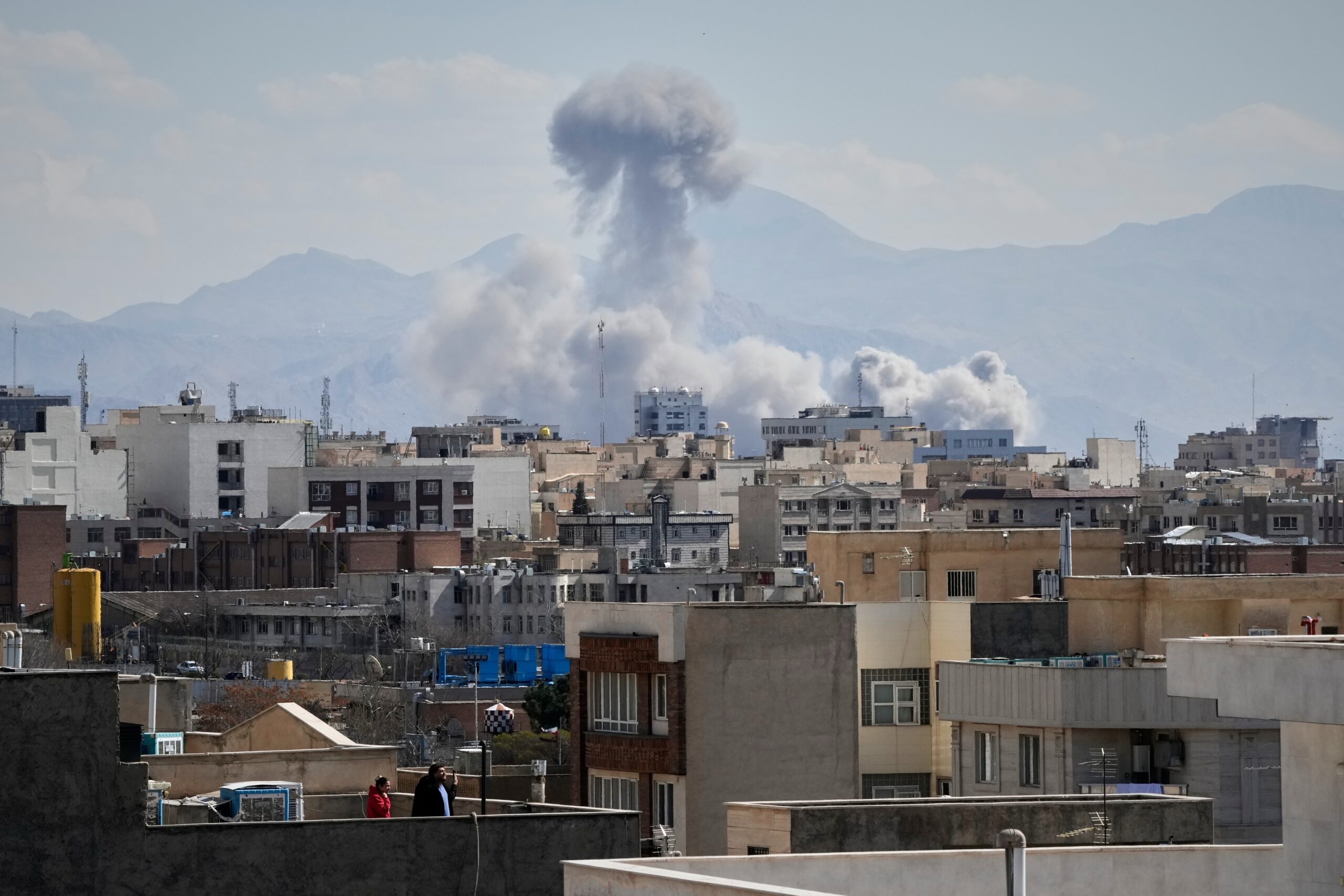
Oil Markets Brace for Monday Surge After U.S.-Israeli Strikes on Iran
There was a growing war risk premium in the oil markets tied to escalating regional tensions; the shift from shadow confrontation to direct military action changes the calculus.
Feb 26, 2026
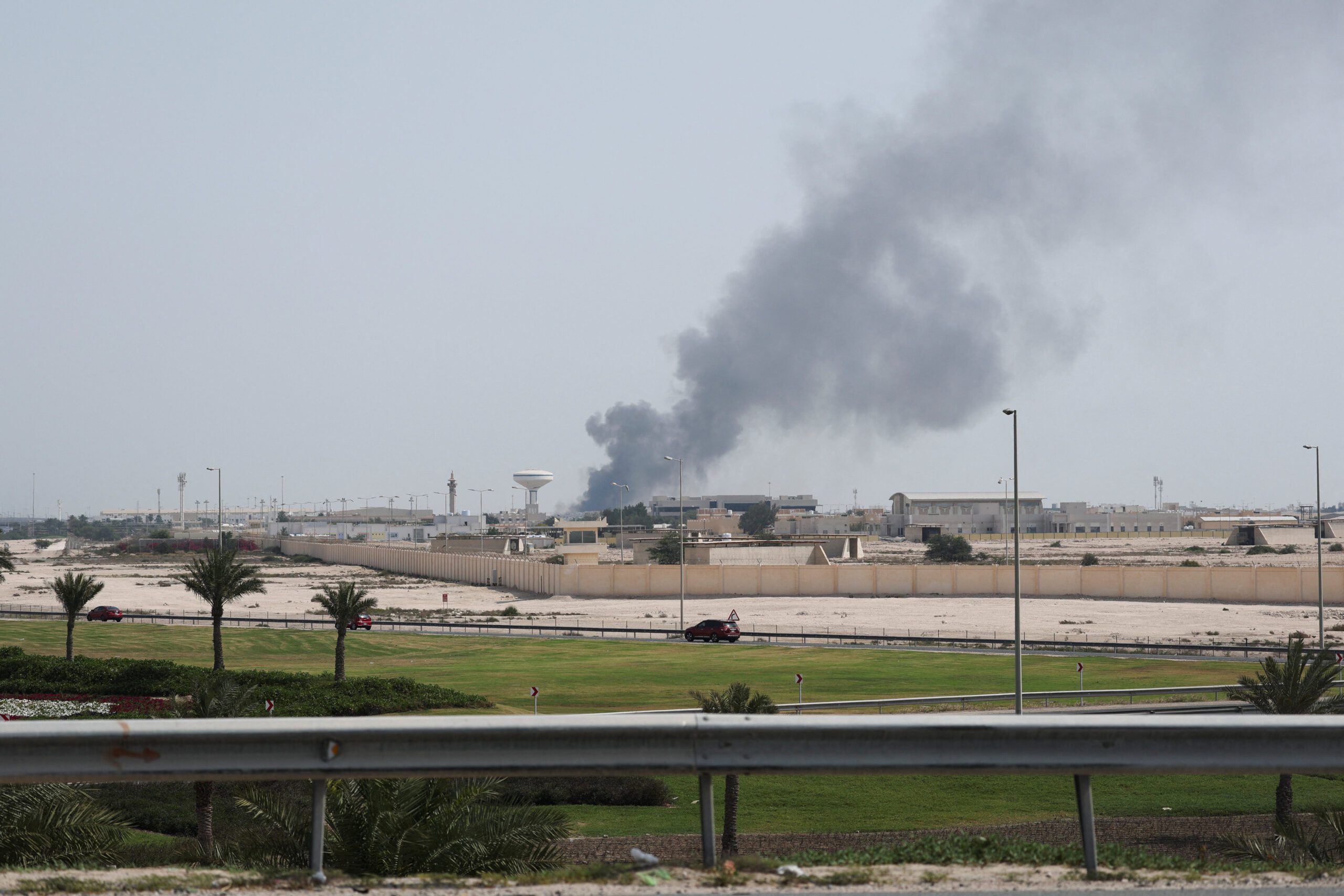
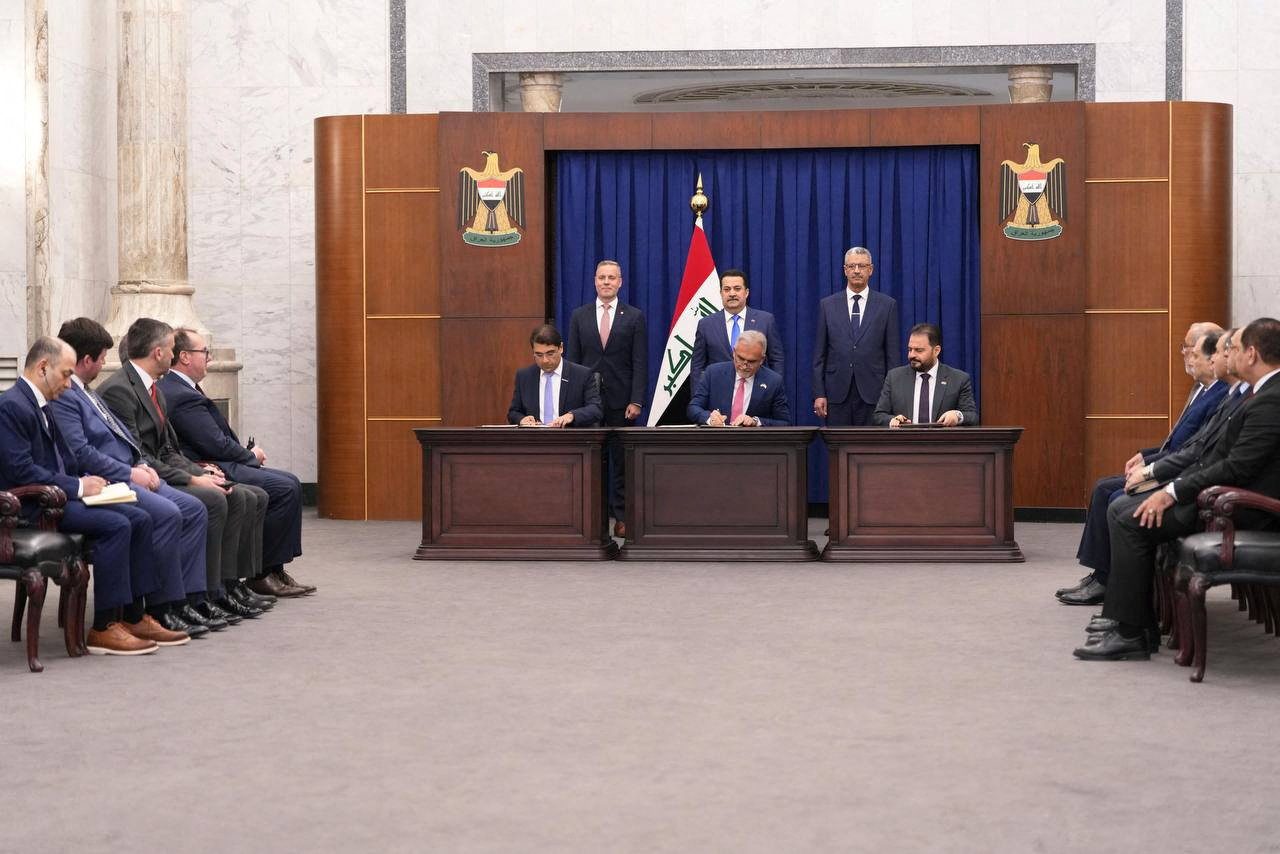
Low-Cost Barrels Lure Oil Majors Back to the Middle East
From the Gulf to the eastern Mediterranean and North Africa, governments are recalibrating fiscal terms, monetization strategies, and partnership models to attract international players.
Feb 17, 2026
Outlook 2026
AGSI experts assess the trends likely to shape the Gulf region and U.S. foreign policy in 2026.

Feb 10, 2026
The Gulf’s Green Rush: Financing the Future, or Just Repainting It?
The Gulf is defying global trends and investing in sustainable-labeled projects, and if those labels translate to real guidelines, the region could become a global benchmark for transition finance.